
Search
Search the magazine
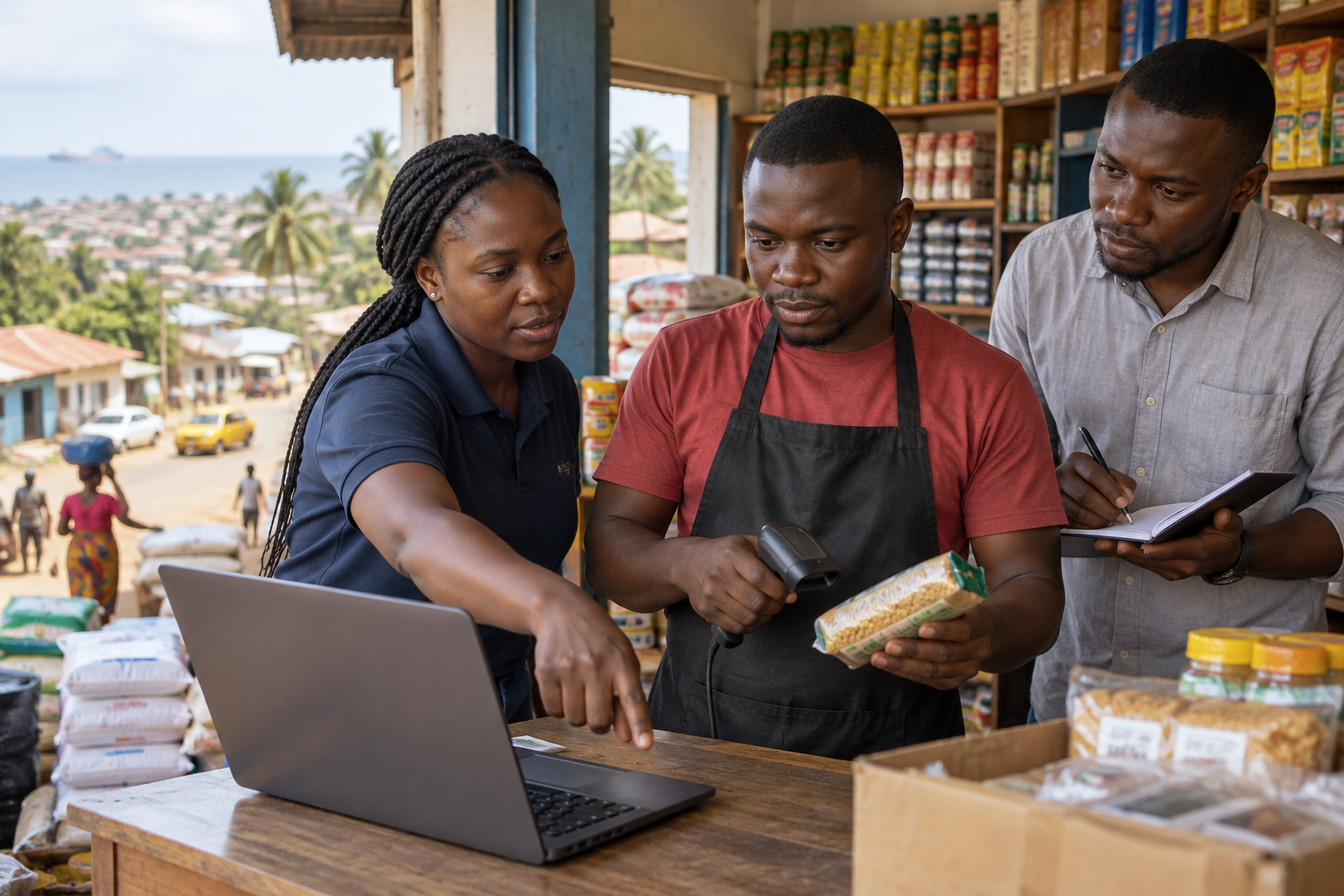
Small Businesses Need Technology They Can Afford to Maintain
Supporting Liberia's small businesses requires more than just software; it demands an integrated approach that pairs affordable technology with financial access and hands-on training to solve real operational problems.
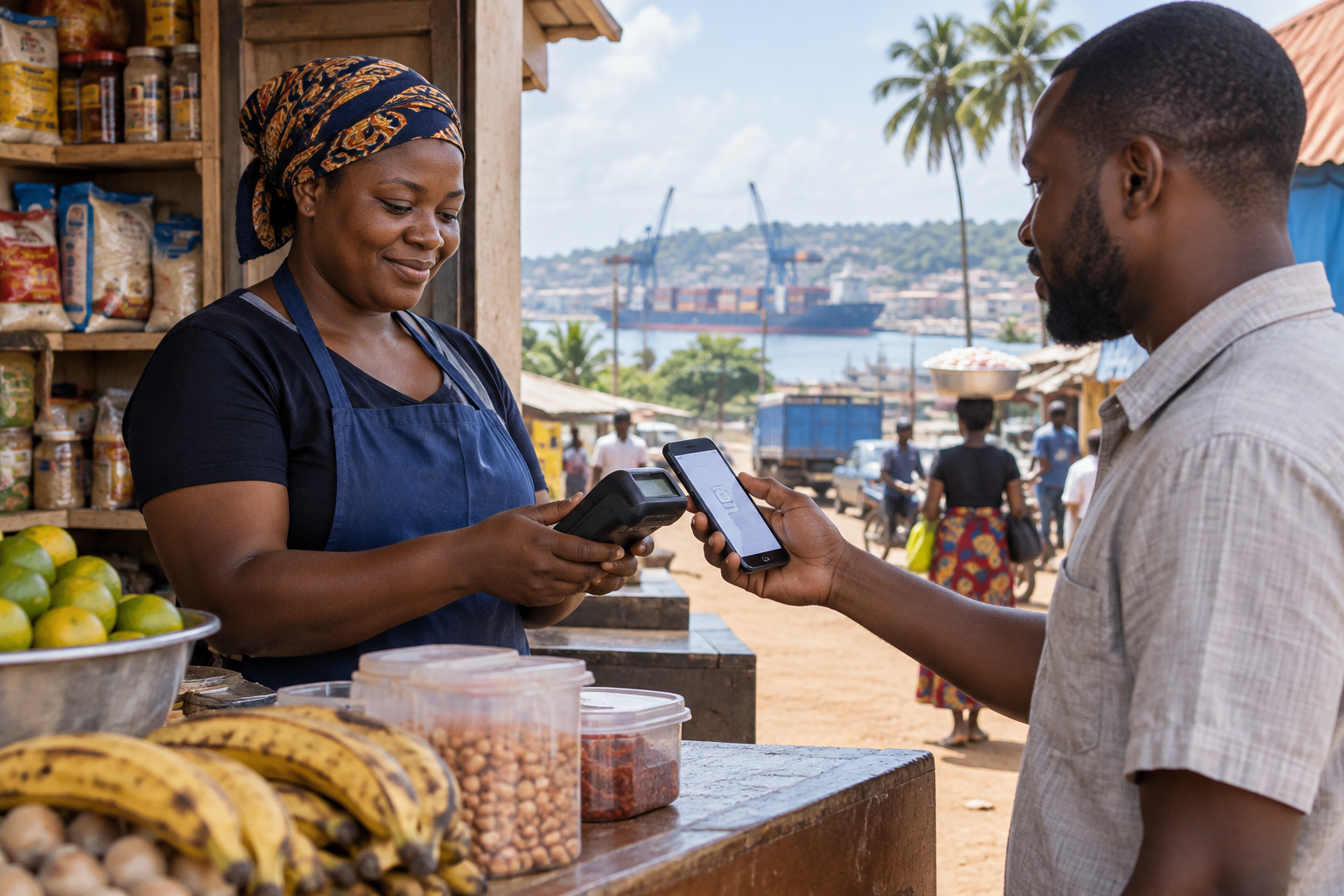
Digital Finance Must Solve a Commercial Problem
Kenya’s integrated digital strategy shows that for Liberia, the true test of financial technology is not just access, but whether it solves real-world commercial problems for businesses, reducing friction and increasing reliability.
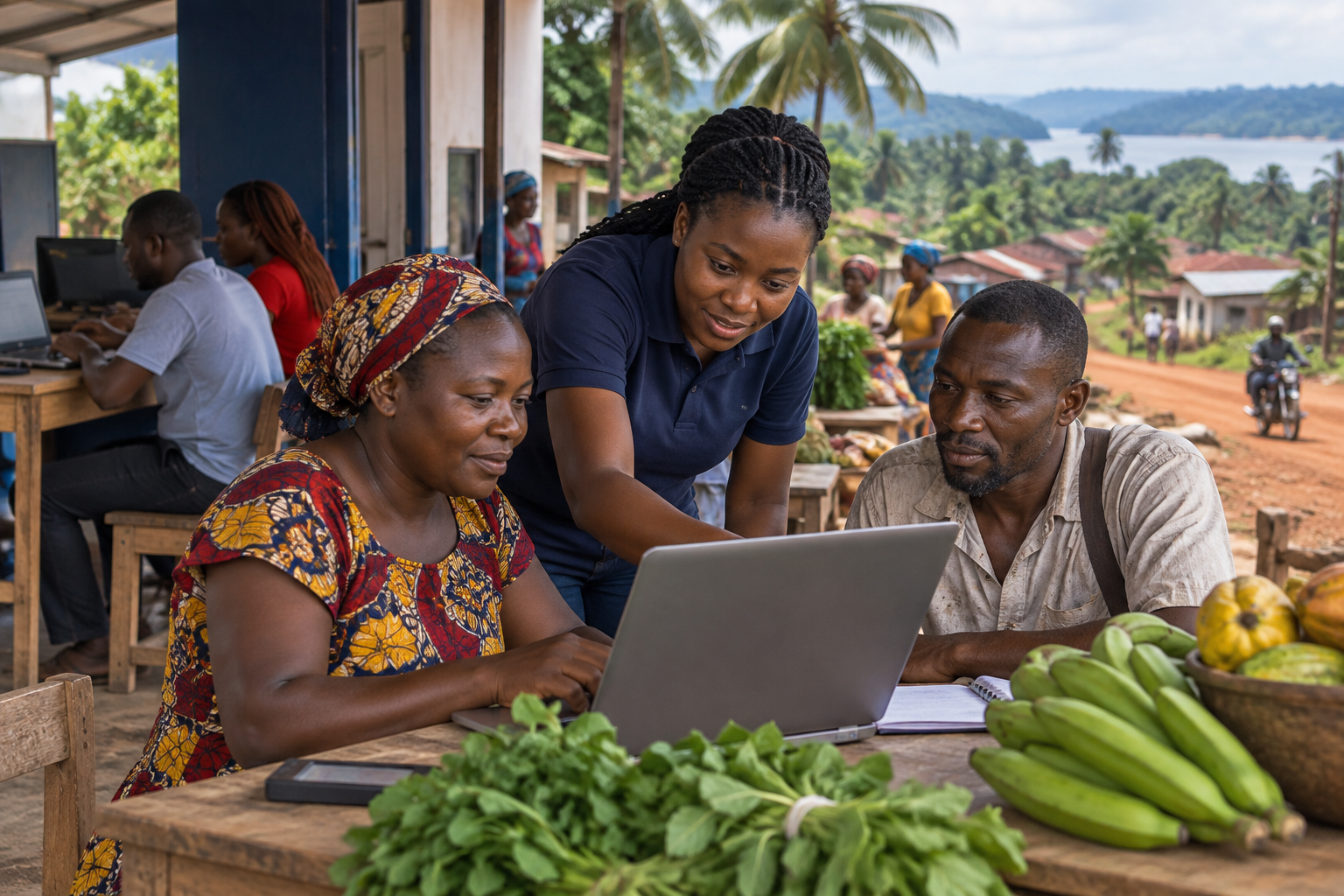
Rural Enterprise Deserves a Place in Digital Investment
Burkina Faso's new digital strategy offers a key lesson for Liberia: true economic modernization requires intentionally designing investments to serve rural enterprises and communities from the very beginning, not as an afterthought.
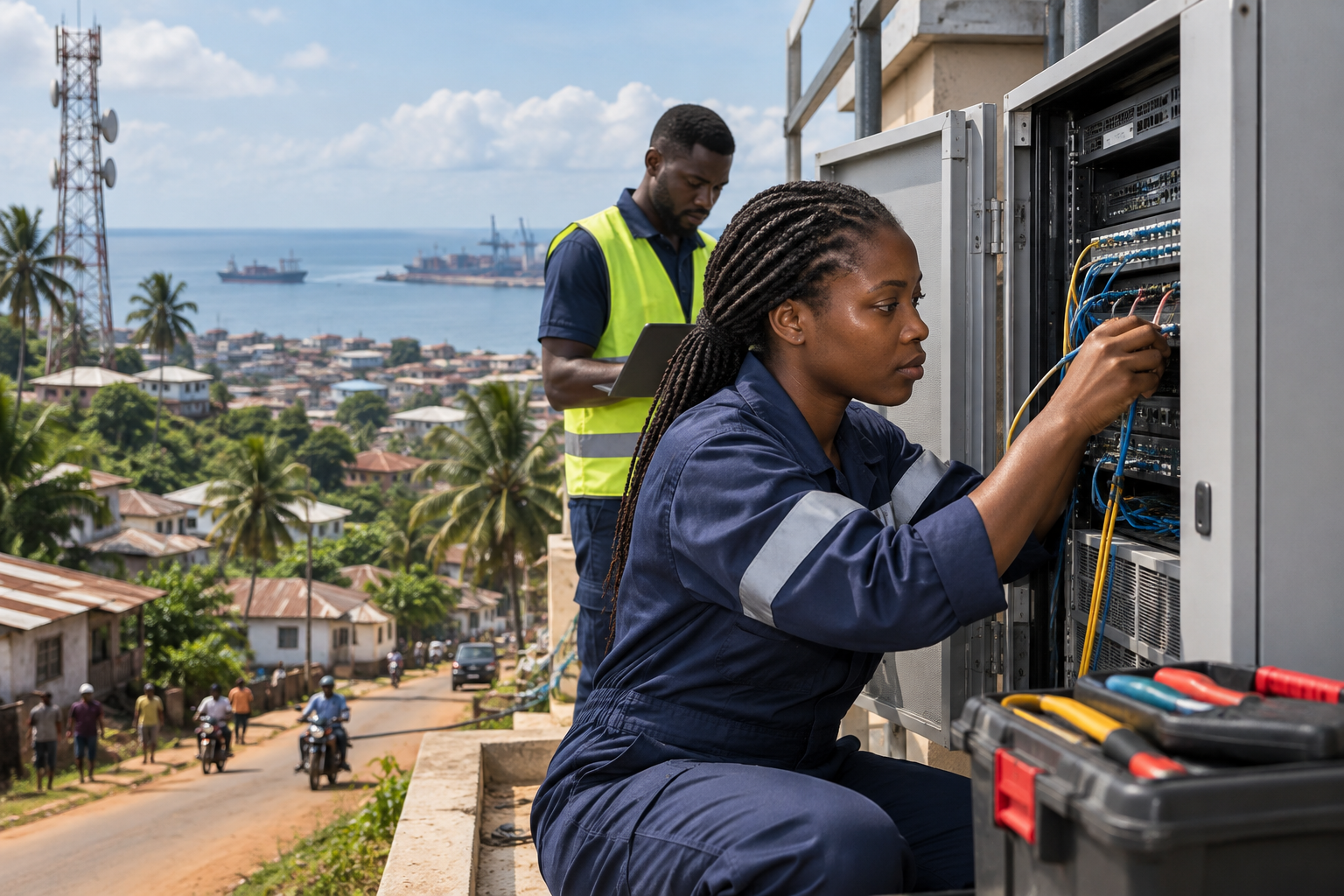
Digital Investment Needs a Maintenance Budget
To ensure Liberia's digital investments are sustainable, public procurement must move beyond initial costs and mandate a realistic, public lifecycle budget for maintenance, staffing, and future replacement.
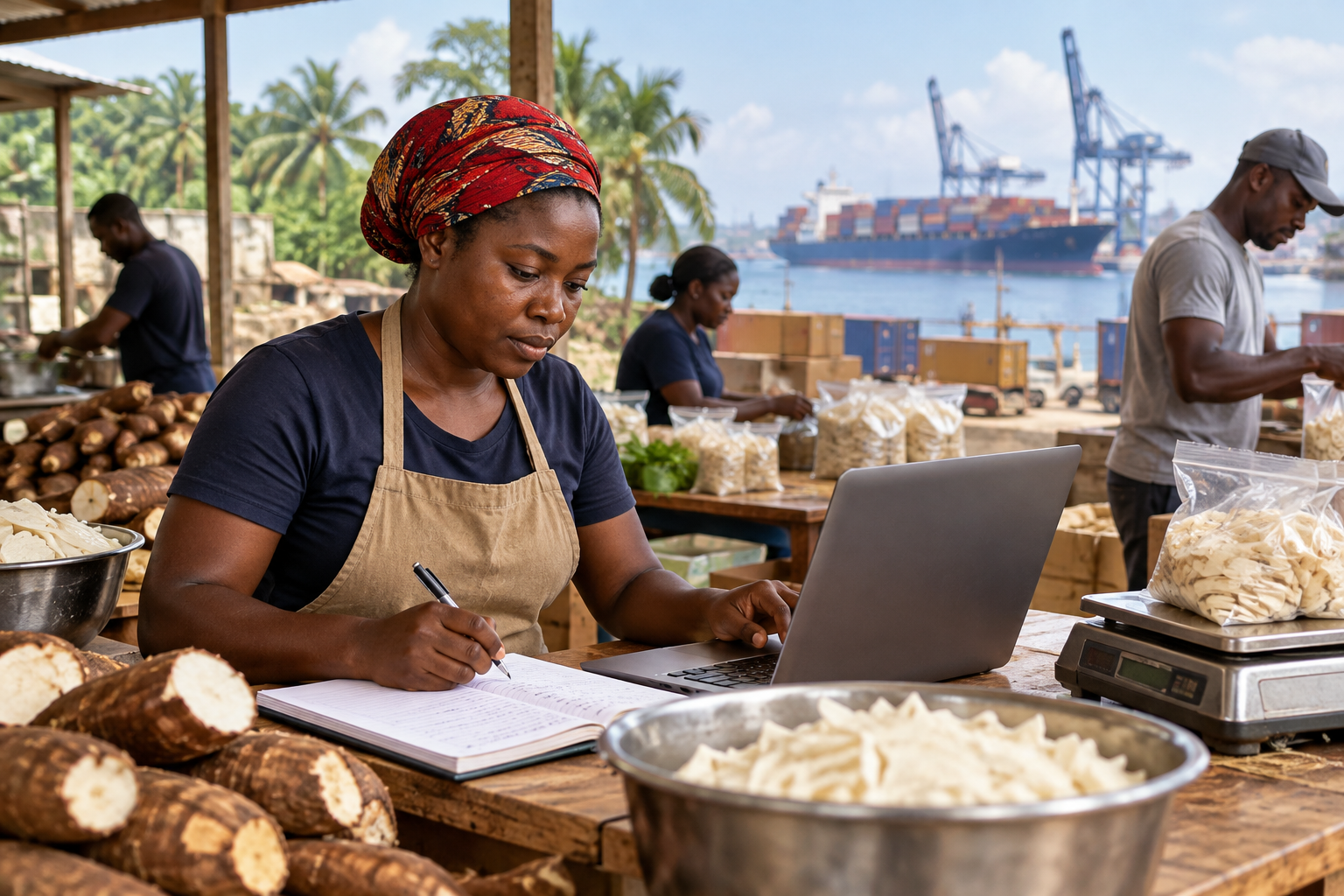
Export Readiness Begins With Reliable Business Records
To compete globally, Liberian firms must first build operational discipline through reliable digital records, a lesson highlighted by a development project design in Burkina Faso.

The Diaspora Can Contribute More Than Capital
Beyond remittances, Liberia can structure a program for its diaspora to transfer professional skills, turning global expertise into local institutional knowledge and measurable business improvements.

Technology Projects Should Demonstrate Public Value
Instead of simply launching more digital platforms, Liberia can learn from regional examples to adopt a disciplined, evidence-based approach that ensures technology projects deliver real and sustainable public value.

Shared Data Standards Can Reduce Administrative Friction
Kenya’s plan for a data-driven public sector shows how shared technical standards could reduce the administrative friction that slows Liberia’s economy, starting with a pilot project between key agencies.
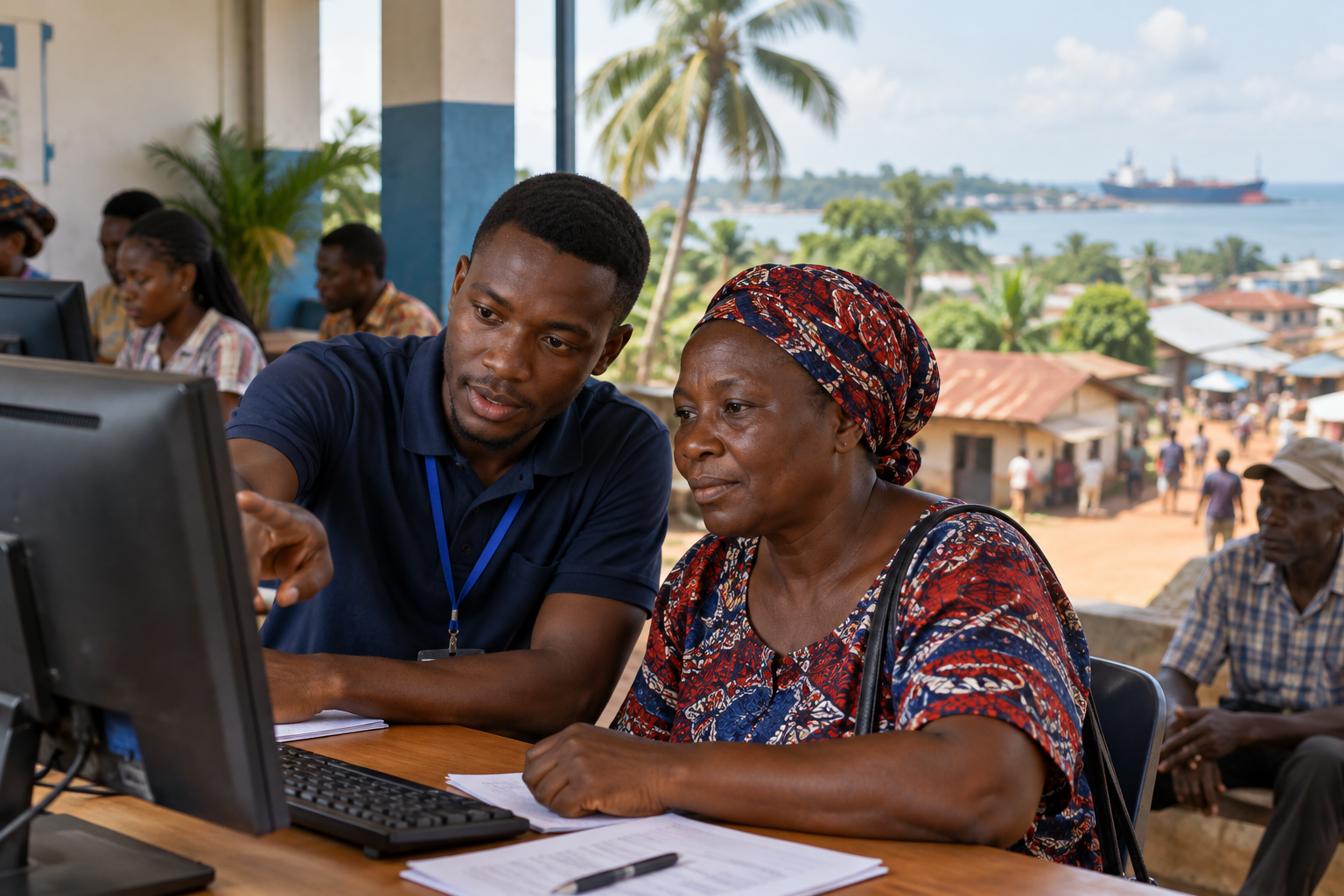
Digital Inclusion Requires Assisted Access
For Liberia's digital services to succeed, the country must learn from international examples and build assisted access points to bridge the gap for citizens with limited literacy, devices, or connectivity.

Artificial Intelligence Needs a Defined Job
To harness artificial intelligence effectively, Liberia must first define its specific job, starting with small, accountable tasks that build capability rather than chasing transformative but ill-defined ambitions.

Cybersecurity Must Be Part of Routine Service Delivery
For Liberia's digital services to be truly dependable, cybersecurity must become a routine management duty for every agency, not just an IT task—a lesson evident in Kenya's forward-looking digital strategy.

Local Technology Suppliers Need Fair Entry Points
To build a robust digital economy, Liberian public procurement should be redesigned to cultivate a competitive ecosystem of local technology suppliers, not just consume imported systems.

Connectivity Planning Should Include Reliable Power
Inspired by Ghana's digital push, Liberia should integrate reliable power planning into its connectivity strategy to ensure that investments in new technology are consistently usable and deliver real economic value.

Technology Skills Should Include Product Maintenance
To build a robust digital economy, Liberia's tech education must shift from only creating new products to developing the crucial skills of system maintenance, documentation, and user support.

Public Performance Should Be Measured Through Service Results
Liberia should measure public performance not by launching digital platforms, but by tracking and publishing the concrete service results they deliver to citizens and businesses, using data to drive accountability and improvement.

Civil Servants Need Practical Digital Confidence
Liberia can modernize its public sector by adapting Burkina Faso's focus on practical, job-specific digital training that builds civil servant confidence, improves professional judgment, and leads to measurably better service delivery.
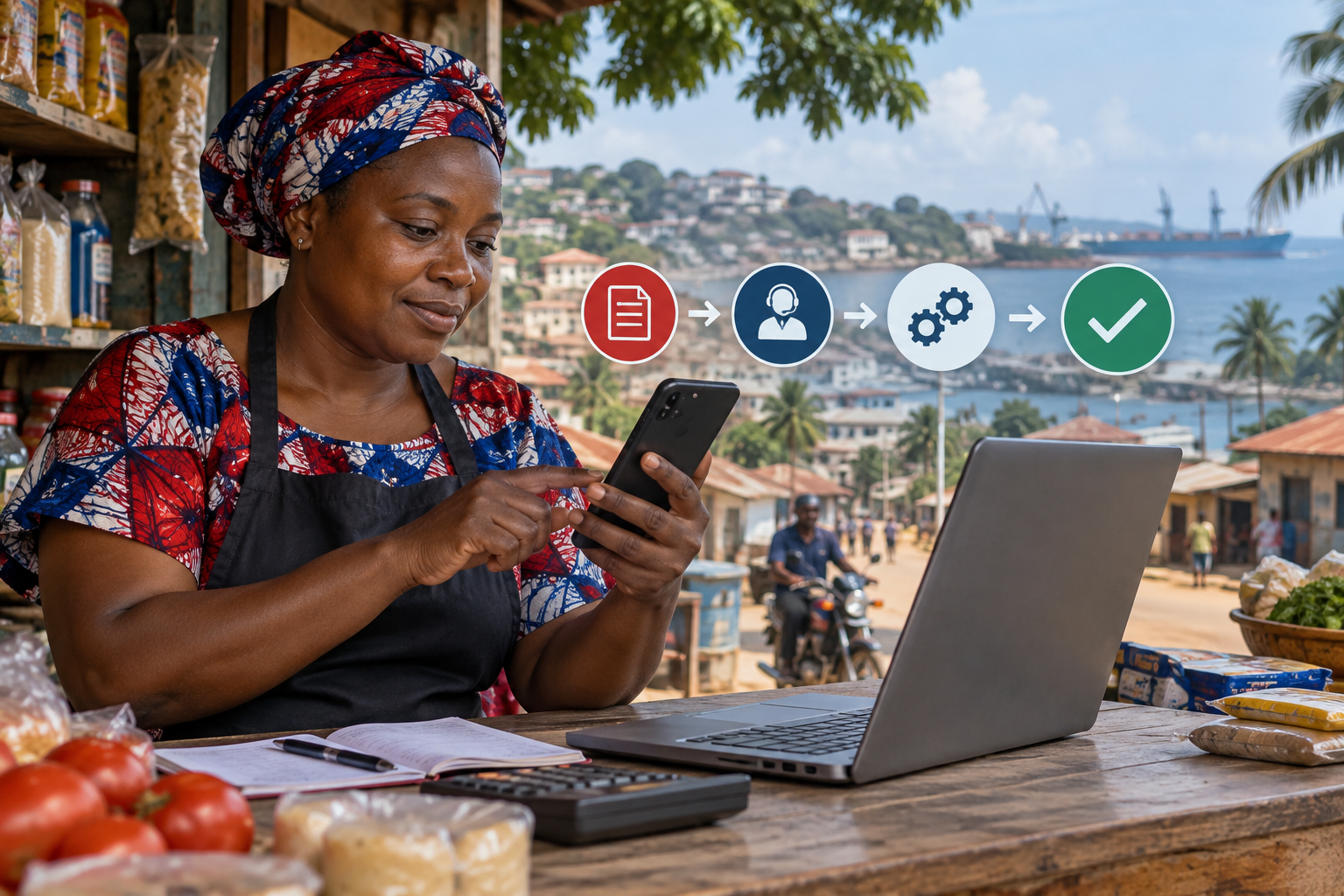
Complaint Systems Should Close the Loop
As Liberia eyes a digital future, the true test of governance will not be launching websites, but building robust systems that track, resolve, and learn from every citizen complaint, turning feedback into evidence.

Interagency Collaboration Needs Clear Responsibility
Effective e-government requires more than a shared portal; it demands clear lines of responsibility and accountability between agencies to deliver a seamless service to citizens and businesses.
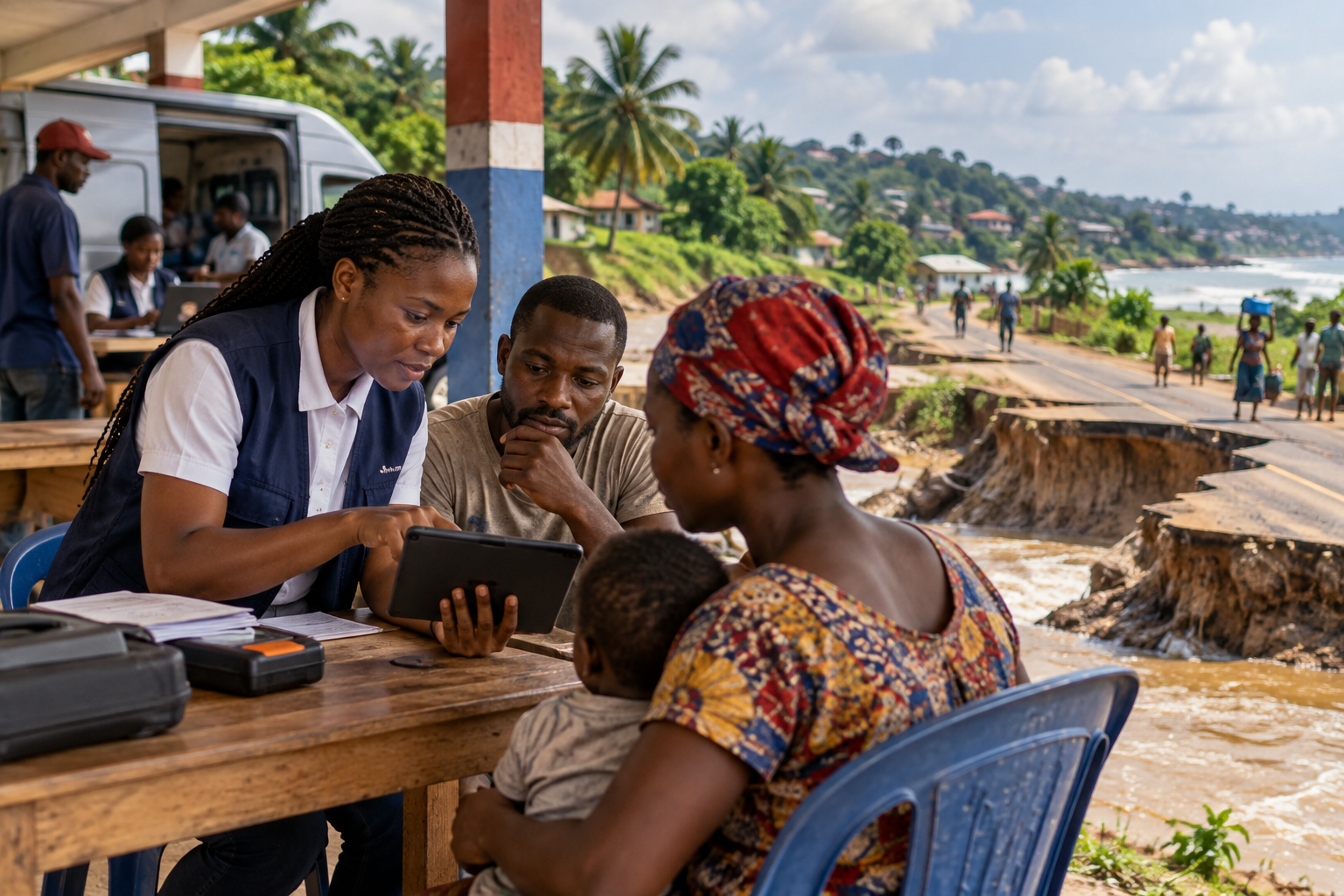
Inclusive Administration Must Plan for Disruption
Inspired by a World Bank project design for Burkina Faso, Liberian public administration can build resilience by proactively planning for service continuity during disruptions, ensuring no citizen is left behind in a crisis.

Modernization Should Strengthen Public Accountability
Drawing lessons from digital transformation projects across Africa, Liberia's path to modernization must prioritize institutional accountability and public trust over mere technological adoption.
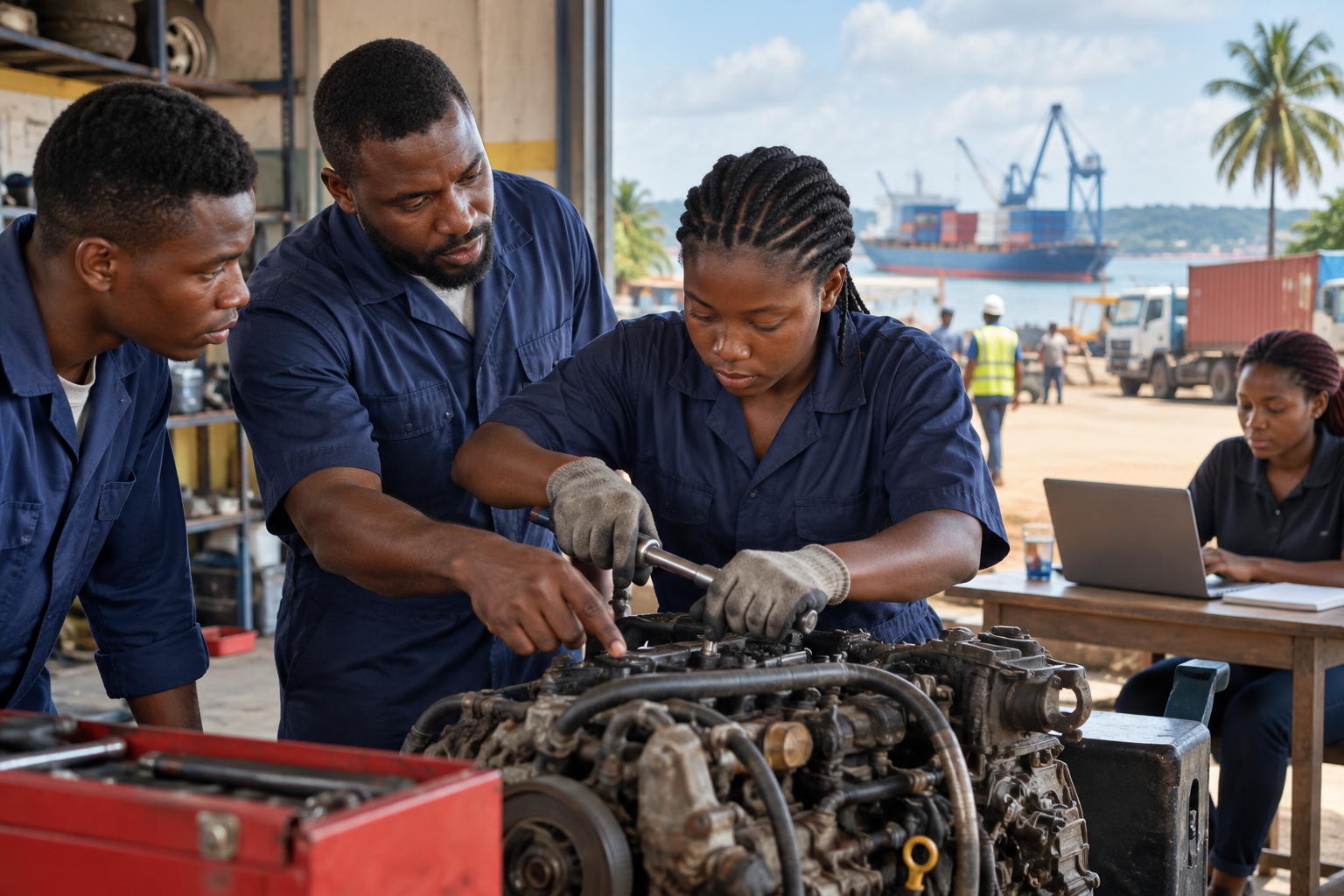
Training Should Begin With the Work Employers Need
To bridge the skills gap, Liberia's training programs should be redesigned around specific, employer-defined tasks, transforming certificates into verifiable portfolios of competence that businesses can trust.
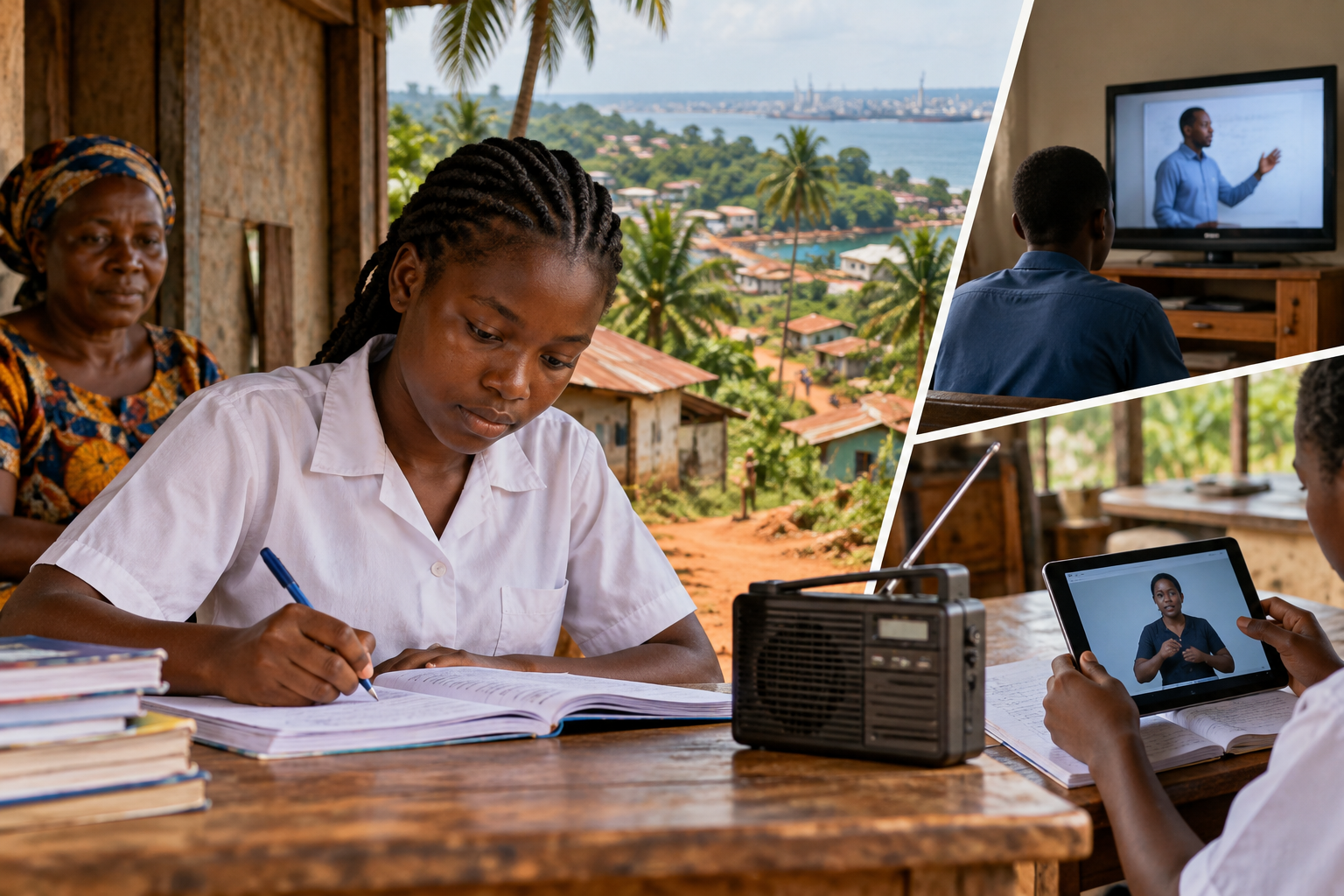
Digital Learning Must Account for Unequal Access
Ghana's pandemic response shows that effective digital education must be designed for unequal access, a lesson Liberia can apply by blending online, offline, and broadcast methods to ensure no student is left behind.

Young Professionals Need Evidence of Competence
To bridge the gap between academic credentials and employer needs, Liberia should adopt portfolio-based assessments where young professionals produce vetted, real-world work as tangible evidence of their competence.
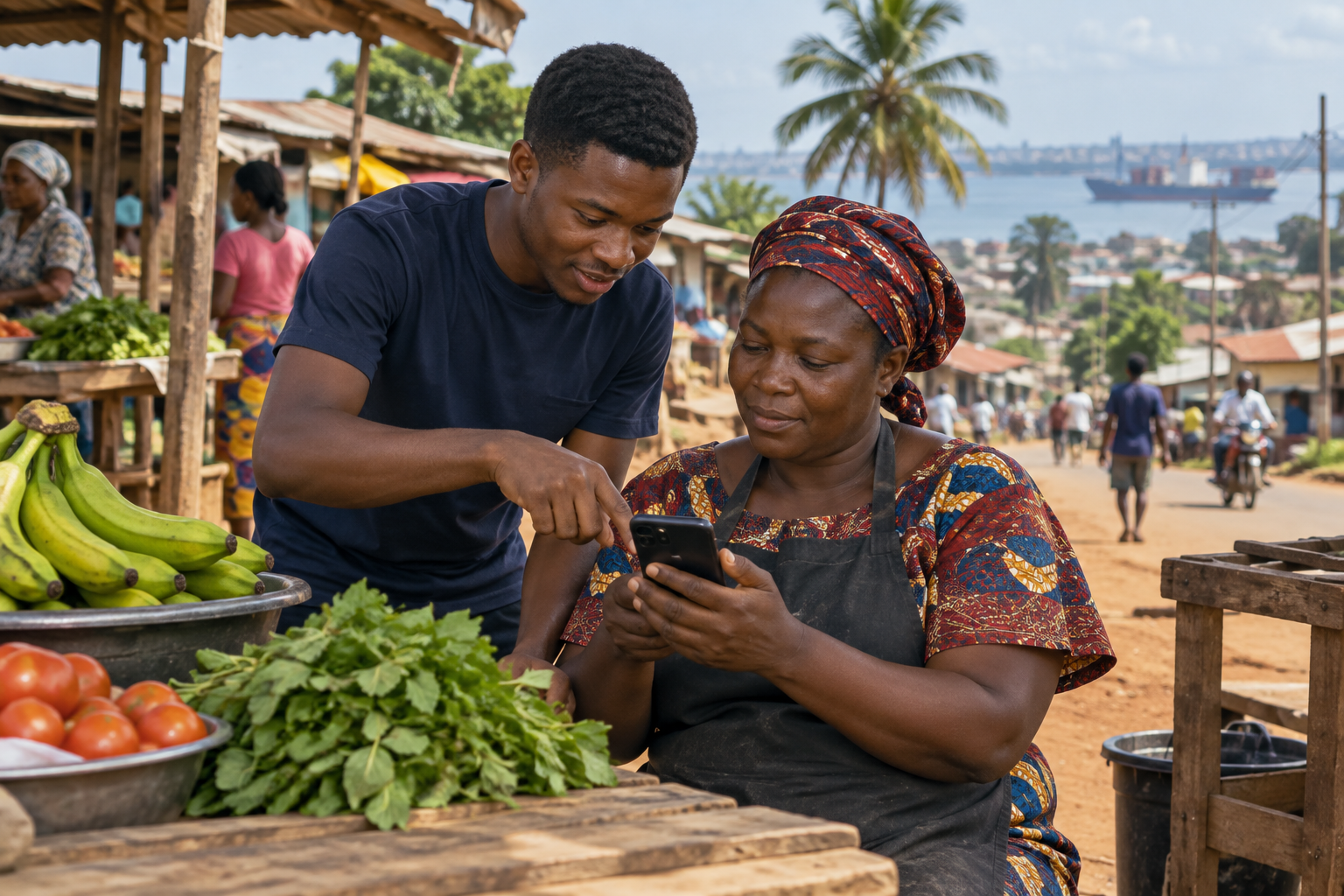
Digital Mentors Can Make Basic Skills More Accessible
Drawing lessons from a Rwandan community-based model, Liberia could pilot a 'Digital Mentor' program to build foundational tech skills, but its success must be measured by users' independent abilities, not just attendance.
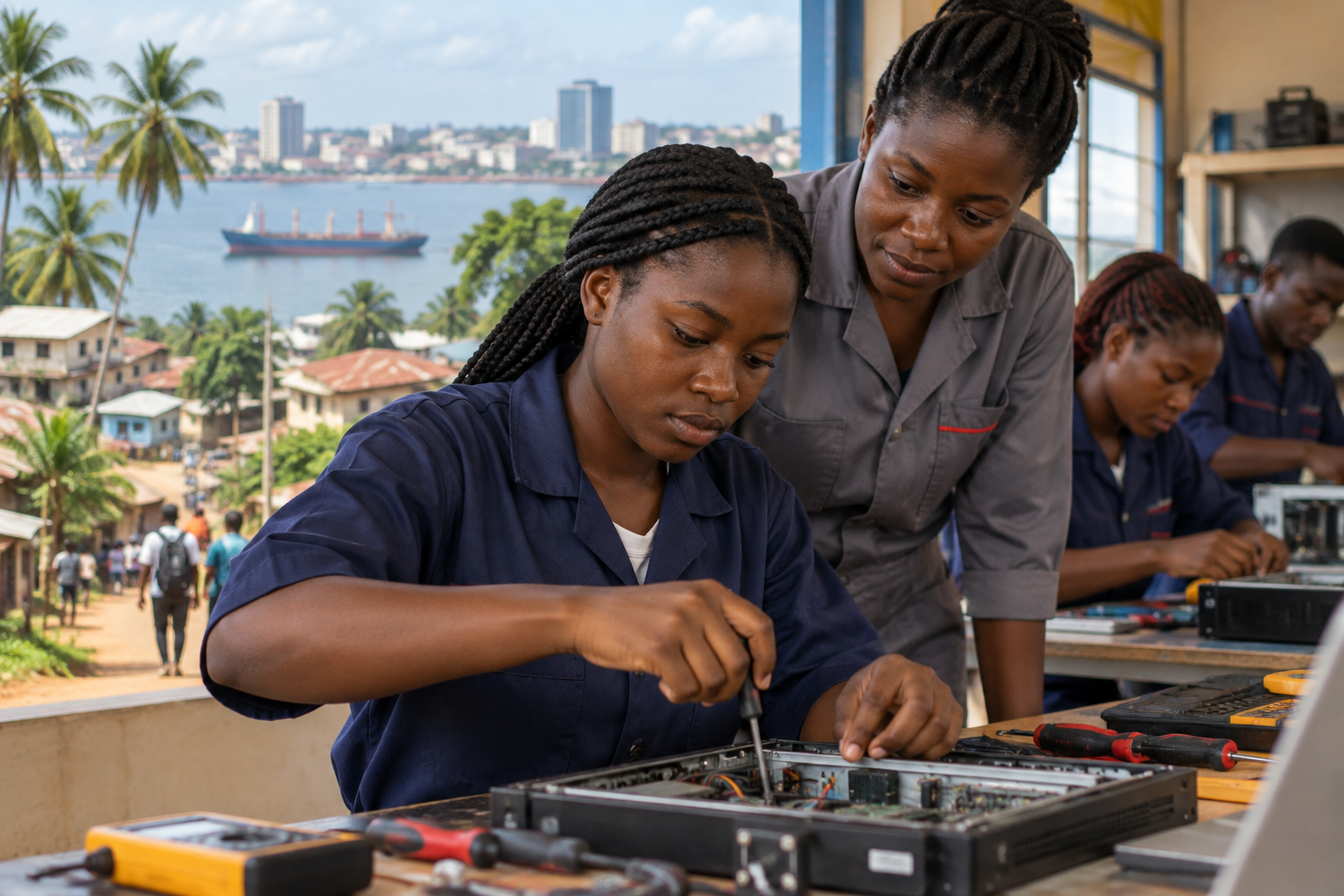
Women Need Practical Routes Into Technical Work
Liberia's push for youth skills can learn from Burkina Faso's inclusive project design, which shows that true progress requires removing the practical barriers that keep women from technical training and careers.
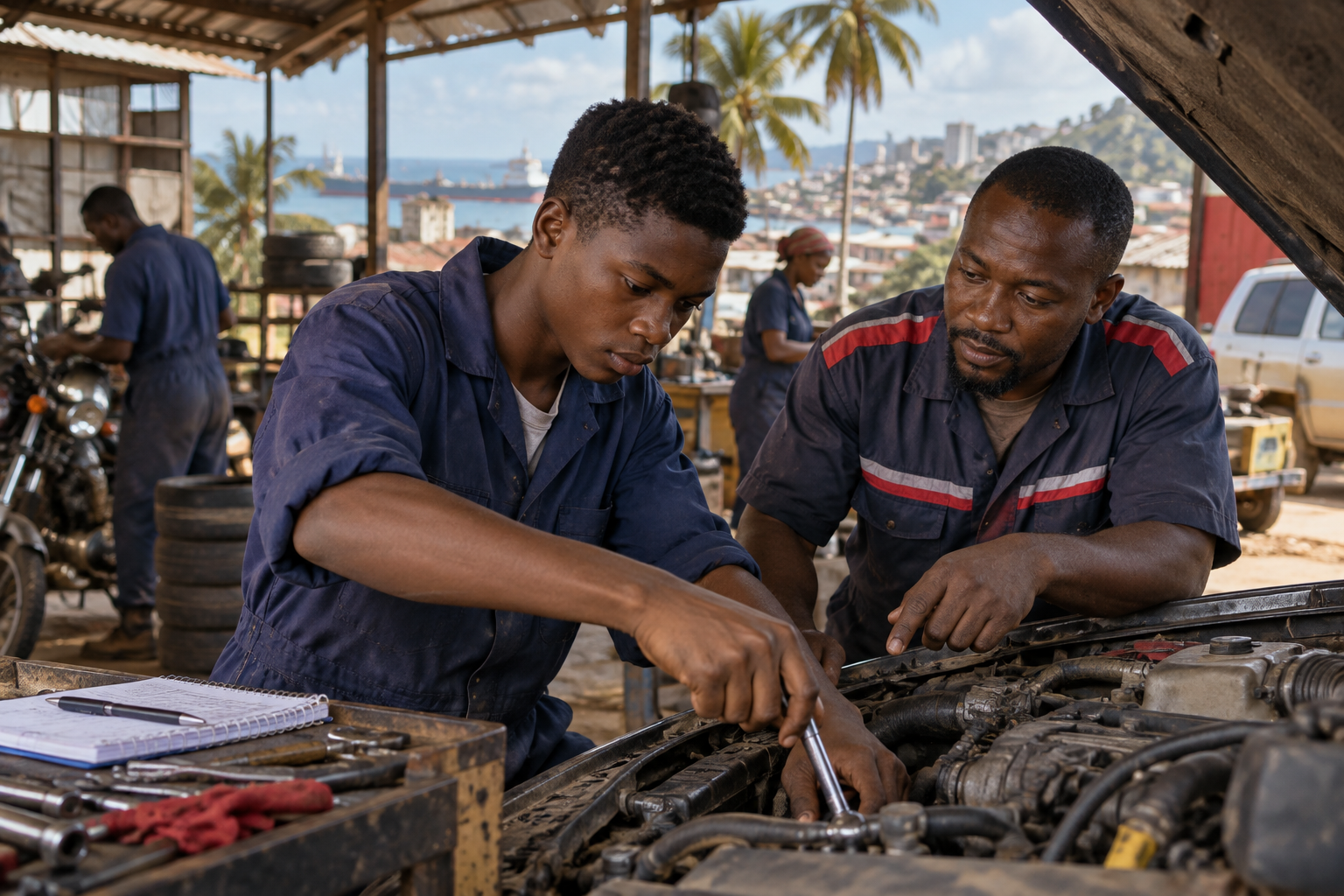
Apprenticeships Should Include Measurable Learning
Inspired by a project design in Burkina Faso, Liberia can transform its apprenticeships from temporary labor into structured learning programs that build measurable, verifiable skills for a modern workforce.

International Readiness Includes Communication and Context
To compete globally, Liberian professionals need more than just technical ability; a proposed curriculum update focusing on cross-cultural communication and collaboration could unlock international opportunities.

Career Guidance Should Be Based on Real Tasks
To bridge the gap between education and employment, Liberia must shift from listing fashionable job titles to providing young people with detailed, task-based information on real career pathways and entry requirements.

Teachers Need Time to Build Digital Teaching Skills
Ghana’s experience with educational technology shows that providing tools is not enough; Liberia must invest in giving teachers the time and structured support to build and test effective digital lessons for real learning to occur.

Youth Enterprise Programs Should Teach Commercial Discipline
To build sustainable youth-led businesses, Liberian enterprise programs must shift from simply providing funds to teaching the commercial discipline of validating market demand and managing cash flow before scaling up.
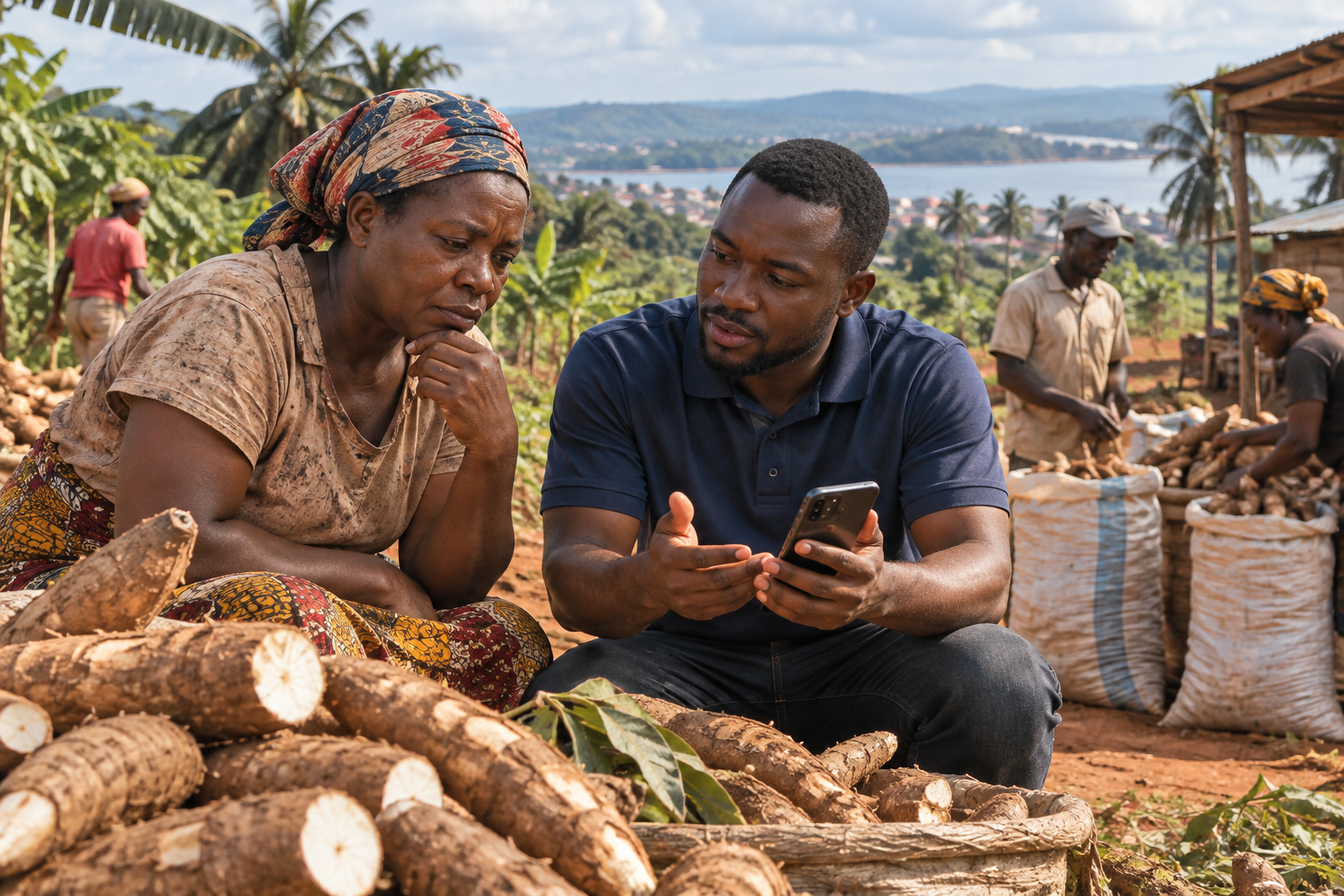
Agricultural Technology Should Begin With a Farmer Problem
For agri-tech to succeed in Liberia, it must move beyond hype and be co-designed with farmers to solve a specific, identified problem, adapting technology to local conditions rather than imposing generic solutions.
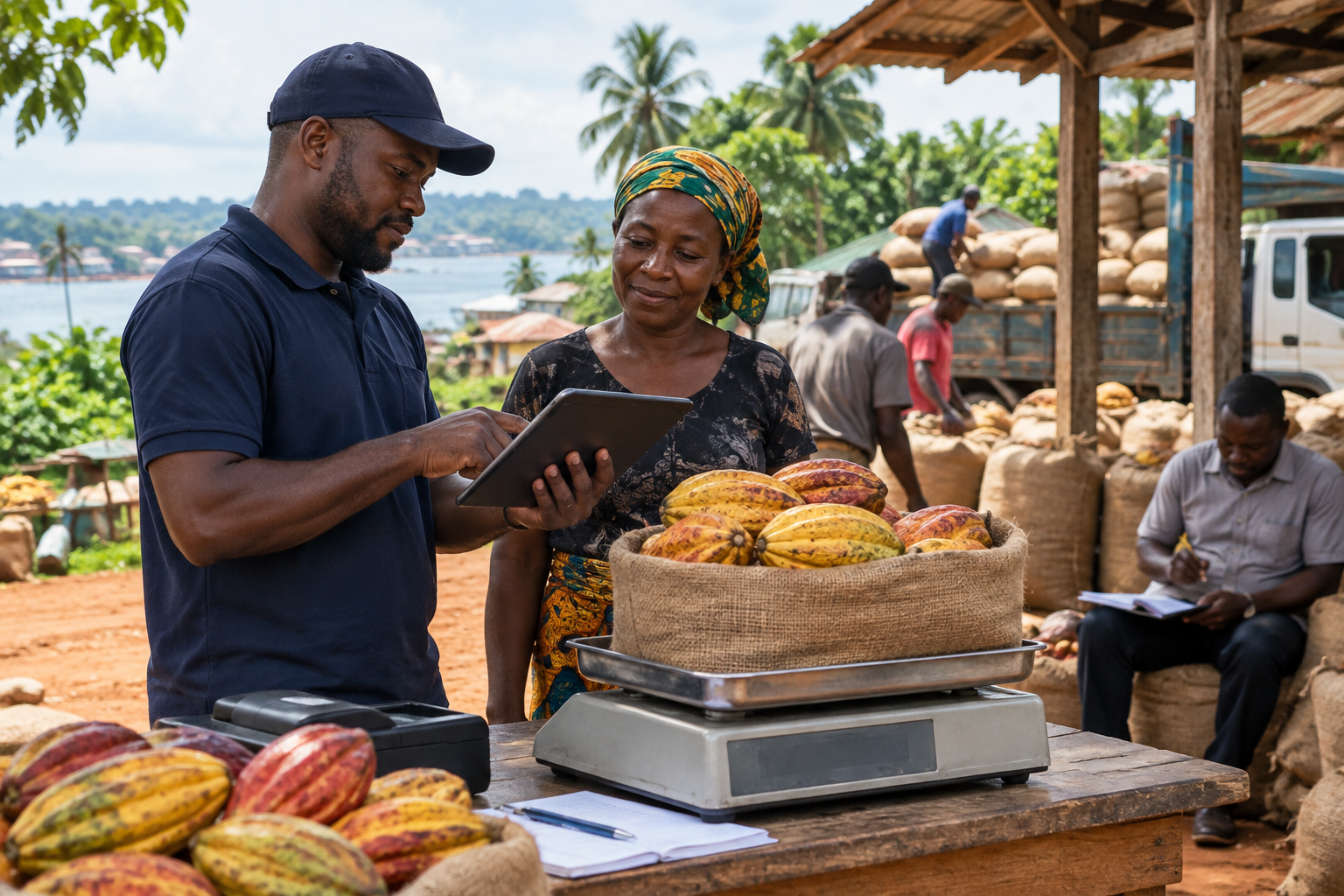
Supply Chain Records Can Make Trade More Dependable
Applying the principles of Kenya's national digital strategy to Liberian agriculture could create a system of shared records, reducing disputes and making trade more dependable for farmers and buyers alike.
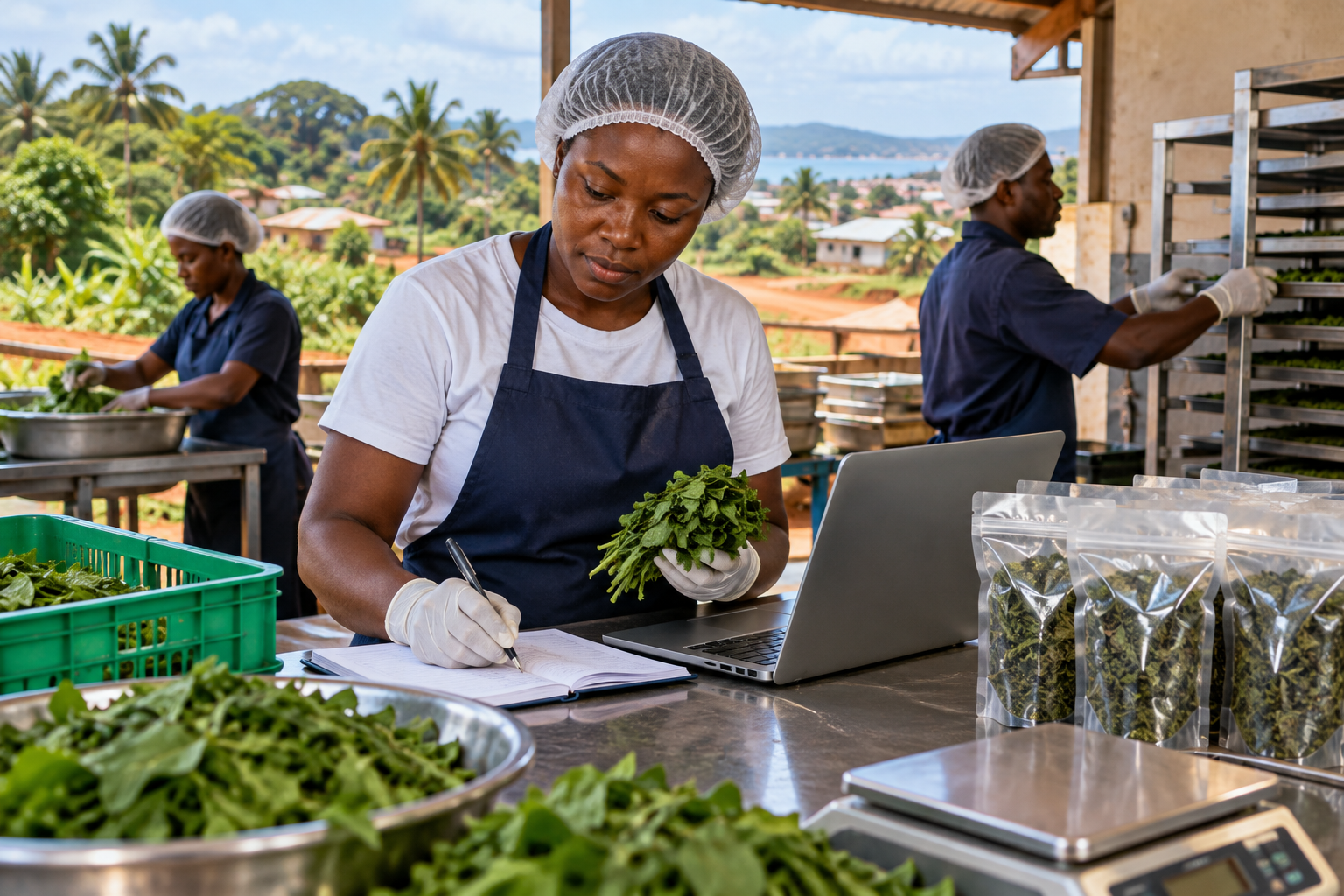
Food Processing Needs Consistent Quality Records
To scale up, Liberian food processors must adopt disciplined record-keeping systems that link technology and workforce training, building the verifiable consistency that commercial buyers demand.

Industrial Training Should Follow Production Needs
A World Bank project design for Burkina Faso illustrates a crucial lesson for Liberia: industrial training must be strategically linked to the specific production needs of local enterprises to build a truly competent workforce.
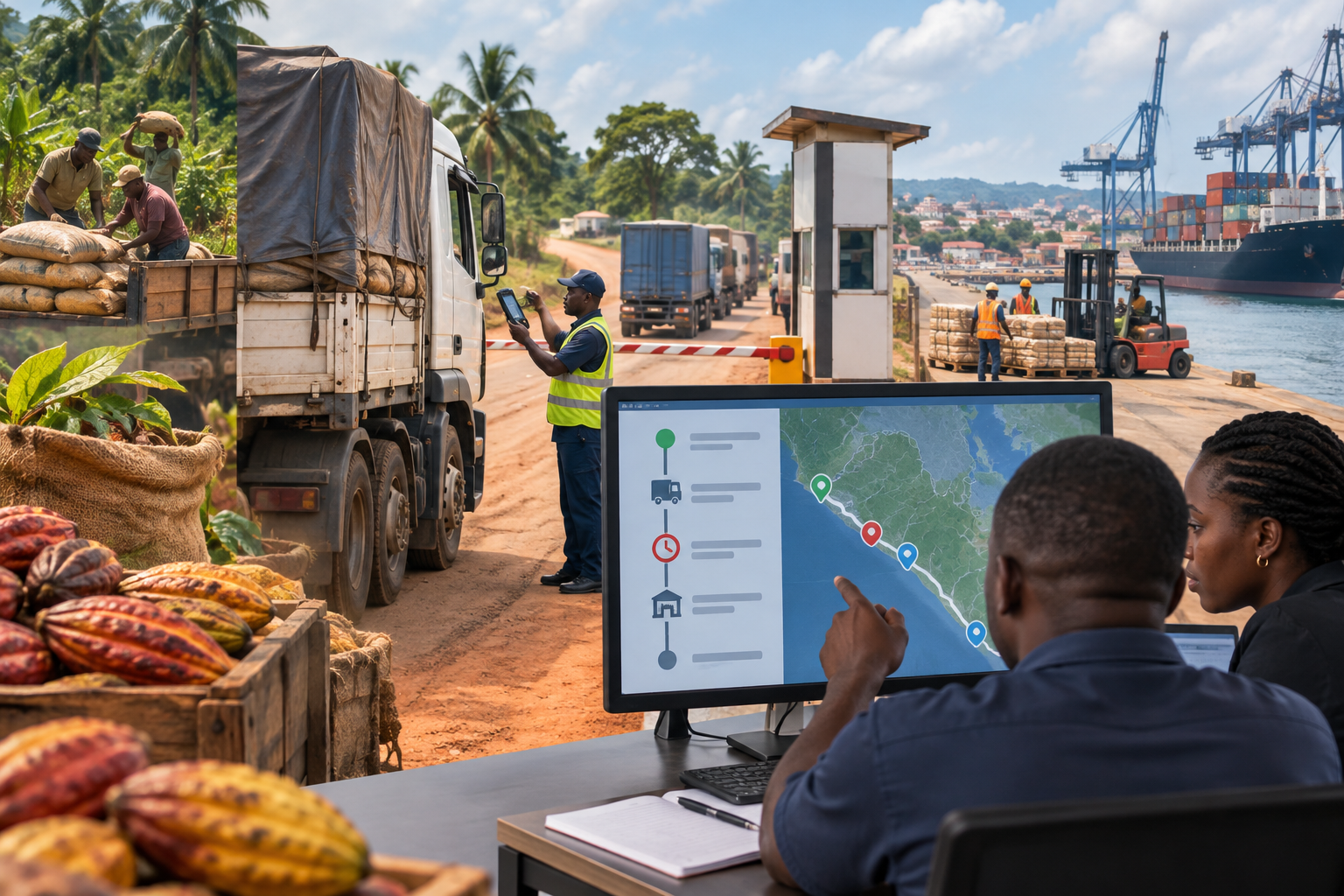
Logistics Technology Should Reveal Where Delays Occur
Inspired by Kenya's digital service agenda, Liberia could build global competitiveness by using a shared logistics tracking system to reveal and resolve the specific choke points that delay the movement of goods.
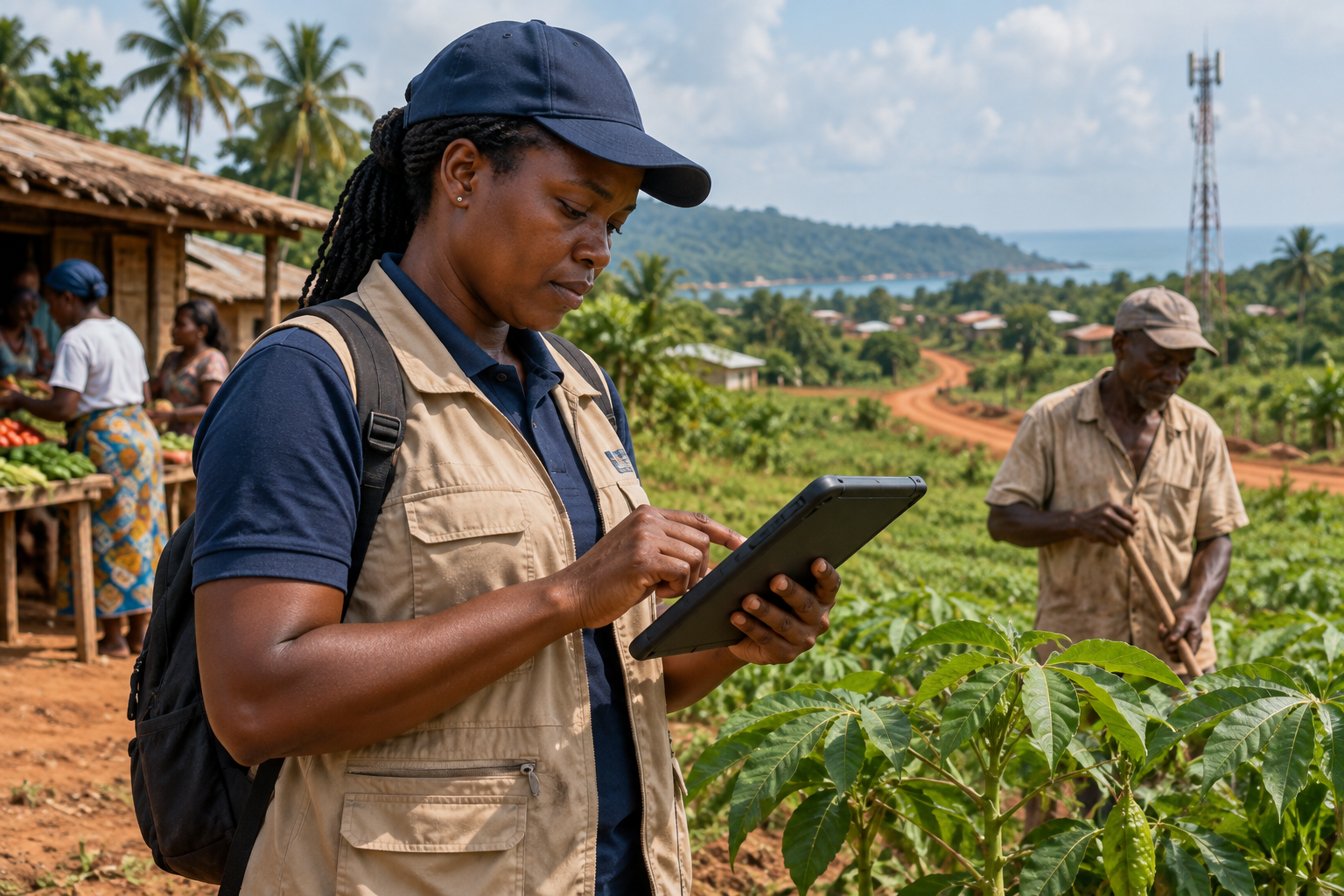
Rural Services Should Remain Usable Without Constant Internet
For Liberia's digital transformation to benefit the rural economy, public and commercial services must be designed to function reliably through intermittent connectivity, not depend on an always-on internet connection.

Regional Partnerships Need Compatible Technical Practices
To make regional partnerships work, Liberia can learn from Kenya's digital strategy by focusing on the practical, technical groundwork needed for dependable cross-border collaboration.

Partnership Agreements Should Include Knowledge Transfer
Inspired by Ghana's digital investment, Liberia must demand that development partnerships move beyond delivering systems to transferring the knowledge required for genuine, long-term ownership and sustainability.
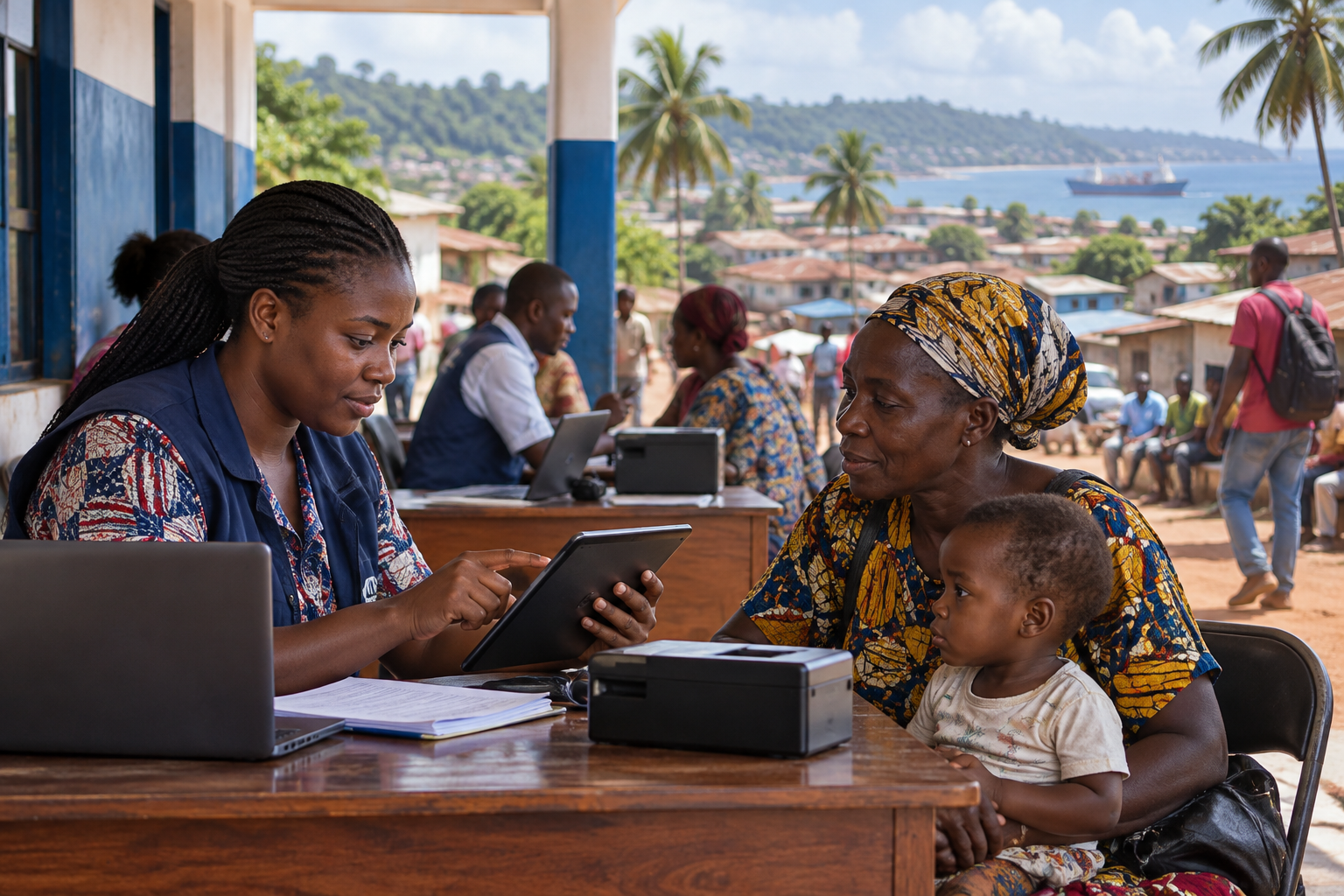
Fragility Lessons Should Be Adapted With Care
Burkina Faso's new plan to use digital tools for displaced populations offers a vital, but not complete, lesson for Liberia on how to design public services that are inclusive, resilient, and built for challenging realities.

International Credentials Should Be Matched to Job Requirements
Kenya’s strategic focus on digital skills development offers a crucial lesson for Liberia: international credentials must be deliberately matched to real job requirements to drive economic growth and personal advancement.

Universities and Industry Need Shared Research Questions
Rwanda's ambition to build a digital innovation ecosystem offers a model for Liberia, where structured research partnerships between universities and businesses can solve practical problems and drive economic growth.

Diaspora Mentoring Needs a Local Institutional Owner
For diaspora mentoring to build lasting national capacity, Liberian institutions must own the process by defining skill gaps, setting clear goals, and ensuring new expertise is applied to local challenges.
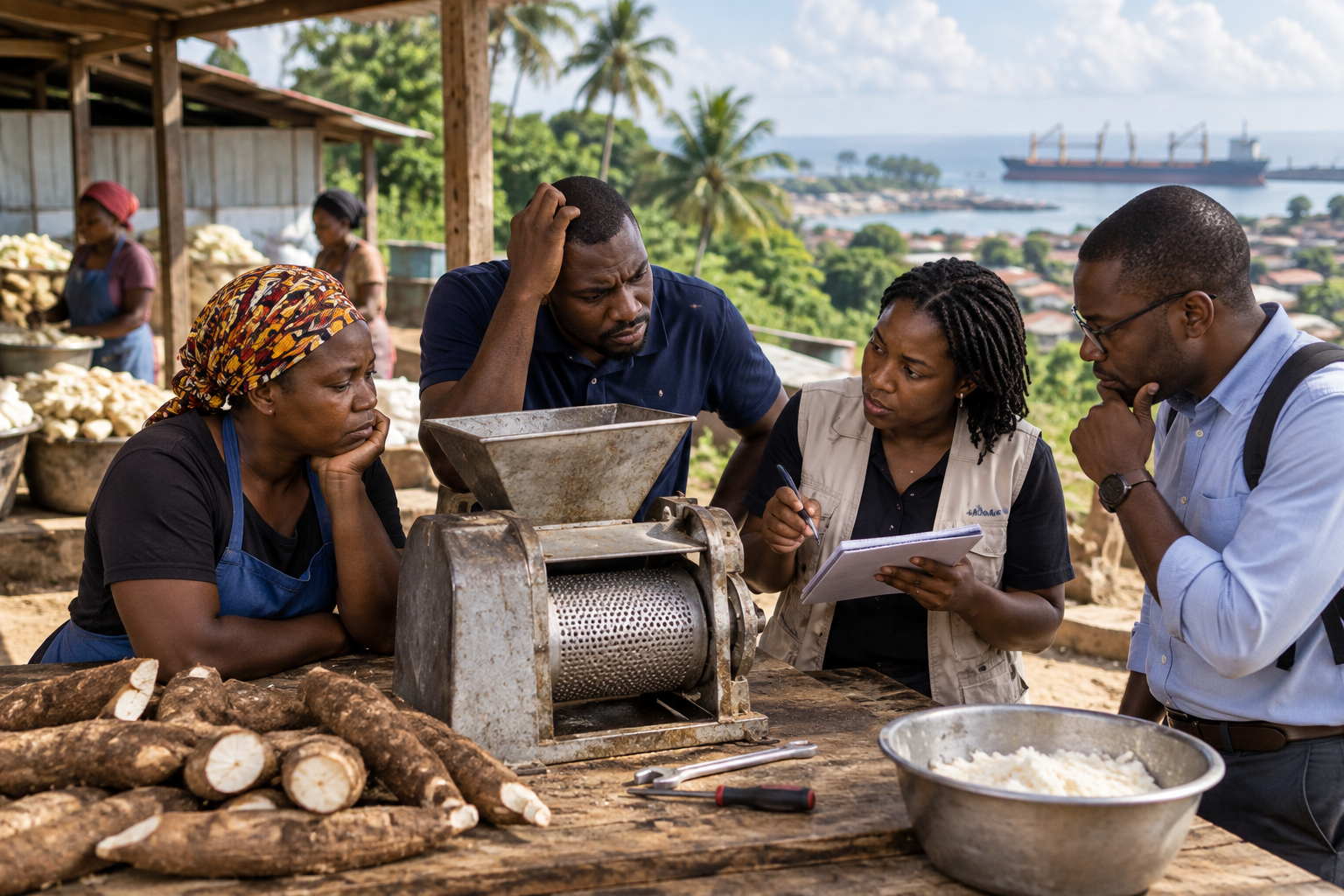
Partnerships Should Share What Did Not Work
To truly benefit from international partnerships, Liberia must build frameworks that study unsuccessful interventions as rigorously as successful ones, turning implementation setbacks into actionable economic intelligence.

Global Competence Should Be Assessed Through Collaboration
To build true global competence, Liberia should move beyond sending professionals to international events and instead assess them on collaborative, cross-border projects that solve real-world problems.
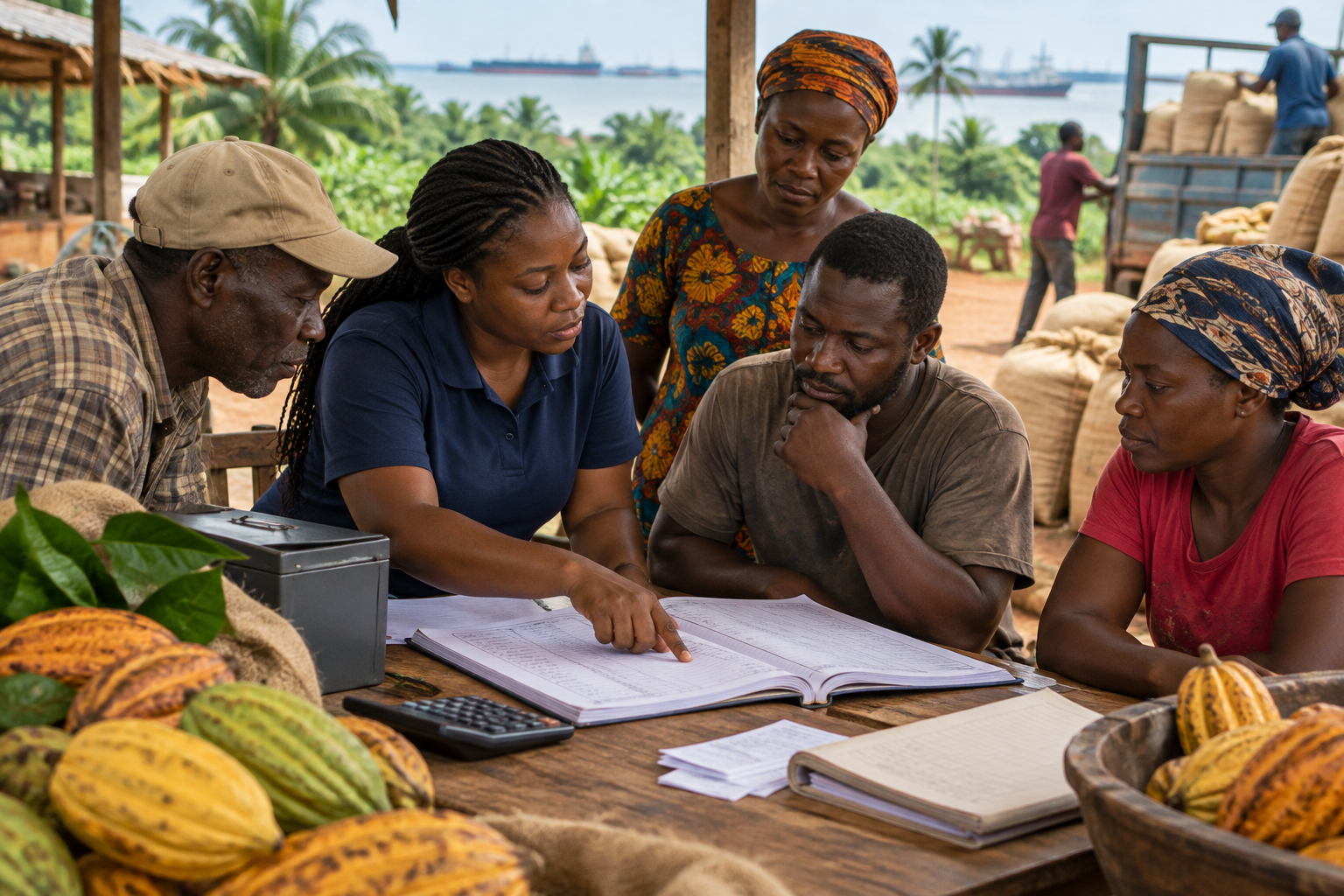
Agricultural Cooperatives Need Transparent Financial Records
For Liberia's agricultural cooperatives to thrive, members need transparent financial records, a lesson in enterprise capability drawn from development finance trends in West Africa.

Liberia Can Build a Learning Network Around Practical Reform
By studying the documented digital transformation plans of African peers, Liberia can create a practical, evidence-based learning network to test and adopt reforms that truly work for its own economy and institutions.

Boakai to the Diaspora: From Dialogue to Delivery
At a town hall in Maryland, the President asked Liberians abroad to turn goodwill into skills, enterprise and investment — and to help the Government build better data on who they are.
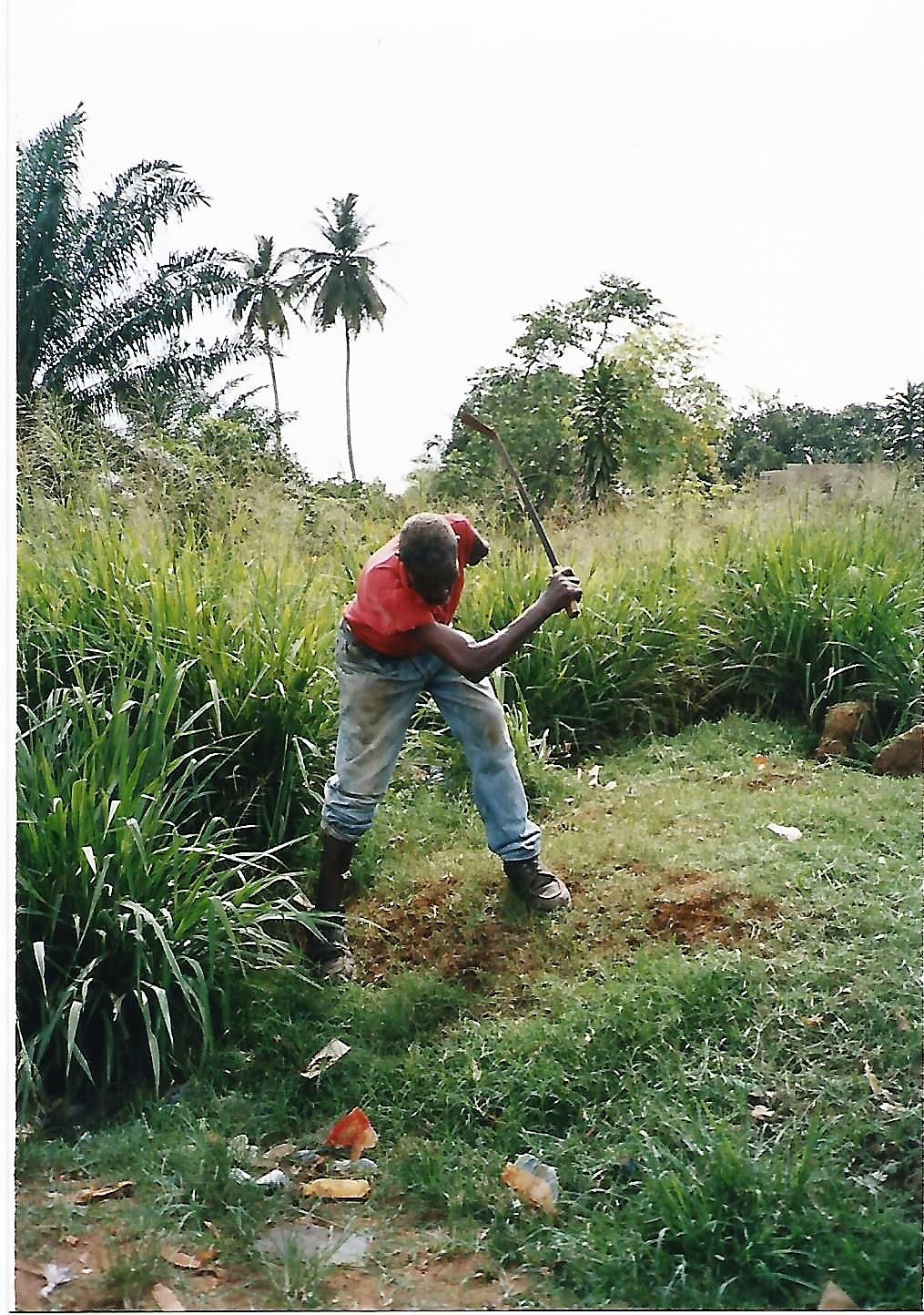
Skills That Lead to Jobs: The Case for Employer-Linked Training and Honest Outcome Measurement
Youth training is only as good as the jobs it leads to. A practical framework for programmes that partner with employers and publish what happens to graduates.

Sector Guide: Digital Services
Payments, business-process services, software and connectivity: a research guide to Liberia's digital opportunity. Not an offer.
TELICON Academy and the Push for Job-Ready Digital Skills
TELICON Academy is part of a growing effort to train young Liberians in practical, employer-linked digital skills. What the programme represents — and what to watch as it develops.