
Industrial Training Should Follow Production Needs
A World Bank project design for Burkina Faso illustrates a crucial lesson for Liberia: industrial training must be strategically linked to the specific production needs of local enterprises to build a truly competent workforce.
Editorial analysis. This piece reflects Executive Tea Chronicle's interpretation and editorial mission, not an official government position.
Analysis. Drafted from cited World Bank sources for editor review; Liberia proposals are the magazine's analysis, not source findings.
Source scope: the cited sources describe historical project designs and financing announcements (2021–2024), not verified current implementation outcomes. No new Liberia-specific factual evidence was checked for this draft; Liberia scenarios are hypothetical.
Liberia’s aspiration for a vibrant industrial sector hinges on more than just investment capital and new machinery. A factory without skilled operators is merely a warehouse. A processing plant without technicians who can ensure quality and maintain equipment is a monument to wasted potential. The critical, often overlooked, ingredient is human capital—a workforce trained not in abstract theory, but in the specific, practical competencies demanded by modern production.
Developing this workforce requires a deliberate strategy. Graduating more students from general vocational programs alone may not be sufficient. The risk is a frustrating mismatch where companies cannot find people with the right skills, and trained individuals cannot find jobs that use their qualifications. Real industrial development becomes plausible only when investment in facilities is matched by a parallel investment in the people and operating discipline required to make those facilities productive.
A more integrated approach, where workforce training is designed in direct response to the needs of industry, offers a promising path forward. International project designs provide useful models for how such a system can be structured, creating a direct pipeline from the classroom to the factory floor.
What the comparison shows
A development project in Burkina Faso offers a compelling template for linking skills directly to enterprise needs. According to a World Bank project appraisal document from April 2023, the Entrepreneurship, Skills, and Technology Project for Burkina Faso was designed with an integrated logic. Its stated objective is to increase access for micro, small, and medium-sized enterprises (MSMEs) to finance, technology, and a better-trained workforce.
The project’s structure is what makes it instructive. The World Bank document outlines several connected components. One part of the project aims to strengthen the business environment and help MSMEs adopt new technology. Another component seeks to improve their access to finance through a partial credit guarantee scheme. Crucially, a third component is dedicated to developing a productive and entrepreneurial labor force. The project design specifies that this skills component has the express aim of building the set of competencies needed for the success of the firms being supported by the other components. This training element is not an afterthought; it is a core part of the business growth strategy.
To achieve this, the plan detailed in the World Bank document includes measures to improve formal technical and vocational education and training (TVET) at the secondary level, as well as to increase recognized non-formal training opportunities for low-skilled youth. The key lesson is the intentional alignment: the system is designed to produce workers with the skills that the country’s growing enterprises actually require.
Analysis: applying the lesson in Liberia
Liberia could adapt this demand-driven model to its own context. This would mean fostering direct partnerships between industrial firms and training institutions to define precise, entry-level job competencies. Instead of a generic curriculum, training would be built around the real-world tasks that employers need performed.
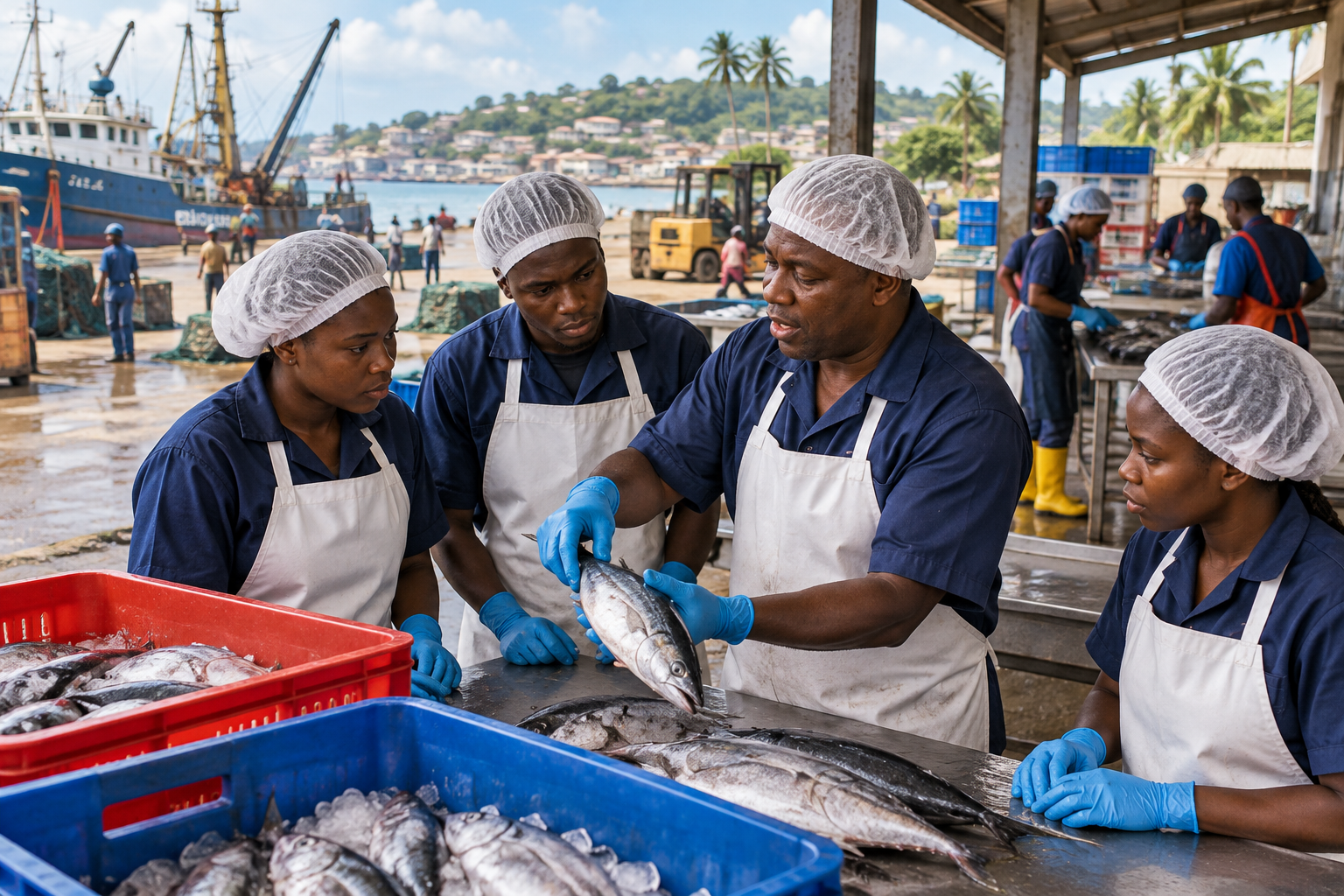
For instance, a hypothetical fish processing company in Monrovia might collaborate with a local TVET center to create a certification for seafood handling and processing technicians. The curriculum would not just cover general food safety; it would involve hands-on training in operating the specific types of freezers, filleting equipment, and vacuum sealers the company uses. Workshop assignments would involve grading fish according to industry standards, documenting batch numbers for traceability, and conducting routine quality checks—all tasks essential for a modern food exporter.
Similarly, a hypothetical rubber wood processor in Gbarnga might help design a training module for sawmill operators. Trainees would learn to calibrate and safely operate cutting equipment, identify wood defects, and grade lumber according to its intended use, whether for furniture or construction. This approach would aim to ensure that graduates are not just familiar with woodworking, but are immediately useful in a specific industrial setting. Digital learning materials could provide the theoretical foundation, but the core of the program would be supervised practice, with proficiency assessed by qualified professionals from the partner firms.
Tradeoffs and implementation risks
This targeted approach is not without challenges. A primary risk is overspecialization; if training is tailored too narrowly to one firm’s equipment, graduates may lack transferable skills should that company downsize or fail. To mitigate this, partnerships should focus on foundational competencies—such as the principles of industrial electricity, mechanical systems, or quality assurance—in addition to specific machine operation. The goal is to create adaptable technicians, not just single-task operators.
Another risk lies in coordination. Firms may not be able to clearly articulate their skill requirements, and training centers may lack the flexible instructors or modern equipment to respond. A successful program would require a neutral, empowered body—perhaps a public-private council—to facilitate these partnerships, establish standards, and ensure curricula remain relevant. Securing funding for up-to-date training equipment is also a significant hurdle, likely requiring a cost-sharing arrangement between the government, industry partners, and development financing.
What global competence looks like here
Adopting this model would involve more than just job placement; it would be a step toward building a culture of global competence within the nation’s workforce. Manufacturing for a regional or global market requires unwavering consistency, which is rooted in documented procedures and a disciplined workforce. Training programs should therefore instill the ability to read, understand, and meticulously follow Standard Operating Procedures (SOPs).
A globally competent technician is one who understands that quality is not an accident. It is the result of a process. This means training must include practice in using measurement tools, logging data accurately, and recognizing when a product deviates from its specifications. When a Liberian company can confidently state that its entire production team is certified in specific quality assurance protocols, it gains a powerful advantage in attracting international buyers and partners. This documented, verifiable competence is the bedrock of industrial credibility.
Bottom line
Liberia's industrial ambitions require a clear-eyed strategy that treats human capital with the same seriousness as physical infrastructure. The design of the World Bank-supported project in Burkina Faso provides a powerful lesson: skills development is most effective when it is a direct and strategic response to the documented needs of the productive sector. A strategic shift toward a demand-driven training system, rather than a purely supply-driven one, is essential. By building a workforce trained to perform the specific tasks industry needs, Liberia can make the leap from aspiration to achievement, ensuring that new factories are powered by a skilled and disciplined workforce.
Sources
- Burkina Faso - Entrepreneurship, Skills, and Technology Project (Project Appraisal Document, P177005) — World Bank, published 2023-04-17
Related reading

Agricultural Technology Should Begin With a Farmer Problem
For agri-tech to succeed in Liberia, it must move beyond hype and be co-designed with farmers to solve a specific, identified problem, adapting technology to local conditions rather than imposing generic solutions.
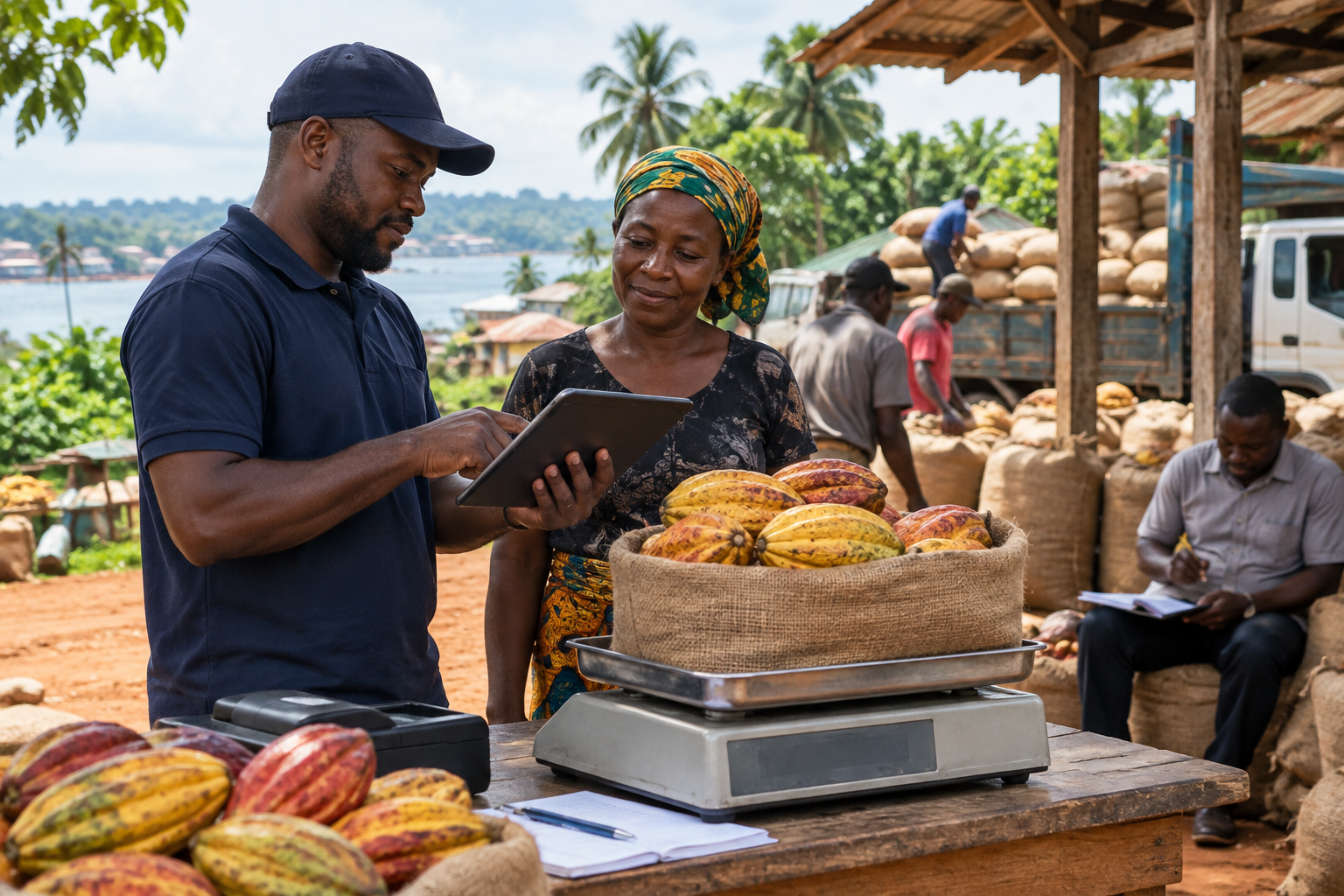
Supply Chain Records Can Make Trade More Dependable
Applying the principles of Kenya's national digital strategy to Liberian agriculture could create a system of shared records, reducing disputes and making trade more dependable for farmers and buyers alike.
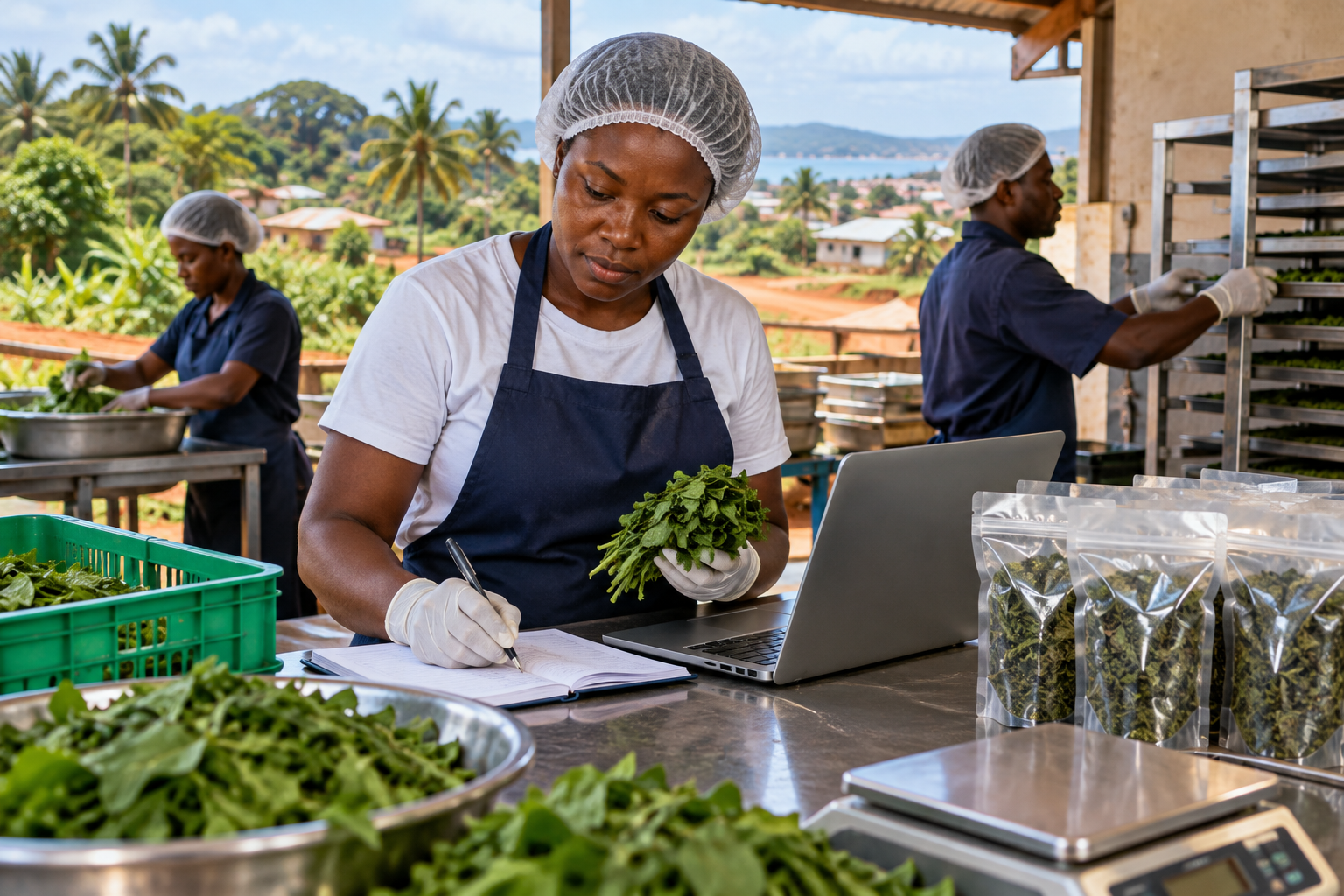
Food Processing Needs Consistent Quality Records
To scale up, Liberian food processors must adopt disciplined record-keeping systems that link technology and workforce training, building the verifiable consistency that commercial buyers demand.