
Digital Mentors Can Make Basic Skills More Accessible
Drawing lessons from a Rwandan community-based model, Liberia could pilot a 'Digital Mentor' program to build foundational tech skills, but its success must be measured by users' independent abilities, not just attendance.
Editorial analysis. This piece reflects Executive Tea Chronicle's interpretation and editorial mission, not an official government position.
Analysis. Drafted from cited World Bank sources for editor review; Liberia proposals are the magazine's analysis, not source findings.
Source scope: the cited sources describe historical project designs and financing announcements (2021–2024), not verified current implementation outcomes. No new Liberia-specific factual evidence was checked for this draft; Liberia scenarios are hypothetical.
As economies integrate digital tools, from mobile money to online services, a skills gap can emerge, leaving some citizens unable to participate fully. This digital divide is often not just about access to a device, but about the confidence and skills to use technology. For some individuals, a fear of making mistakes, encountering fraud, or navigating complex interfaces can be a significant barrier to economic participation and personal empowerment.
Addressing such challenges may require more than policy interventions focused on data costs or device access. A human-centered approach, such as a structured, community-based mentorship program, could be one way to bridge this gap by providing trusted, in-person guidance. A model that trains tech-savvy young people to serve as local mentors could help demystify technology and build foundational skills within communities.
This is not a novel concept, but examining how similar programs have been designed elsewhere can offer valuable insight. The goal of such an analysis would not be to replicate a foreign solution, but to learn from documented approaches to inform a model that could be effective for Liberia.
What the comparison shows
International partners have recognized the need for hands-on skills training. According to a World Bank blog post from 26 March 2021, the Bank partnered with the EQUALS Global Partnership and the GSMA to launch a program to test different models for delivering digital skills, particularly for women and girls. The initiative, funded through the World Bank’s Digital Development Partnership, was designed to roll out several pilot programs and assess their effectiveness to inform future projects.
In this magazine's analysis, one of the models announced in 2021 is particularly relevant. The pilot planned for Rwanda was to be implemented by Digital Opportunity Trust (DOT). The source material notes that DOT had been the main implementing organization for a Digital Ambassador Program in Rwanda from 2017-2019, which reached over 41,000 citizens. The 2021 pilot was designed to leverage this experience by using tech-savvy youth leaders, called “Digital Champions,” to train young women who owned small or micro businesses. The announced plan involved both virtual and face-to-face training to help entrepreneurs integrate digital tools.
The broader 2021 initiative also included a pilot planned for Uganda. The project, designed by Trickle Up and the AVSI Foundation, was intended to test two approaches for digital skills training with marginalized women: short animated videos and a paper-based curriculum. These examples are not presented as proven successes but as documented project designs for tackling a complex problem. A key takeaway is the focus on testing varied, context-specific approaches with a stated plan to evaluate the results.
Analysis: applying the lesson in Liberia
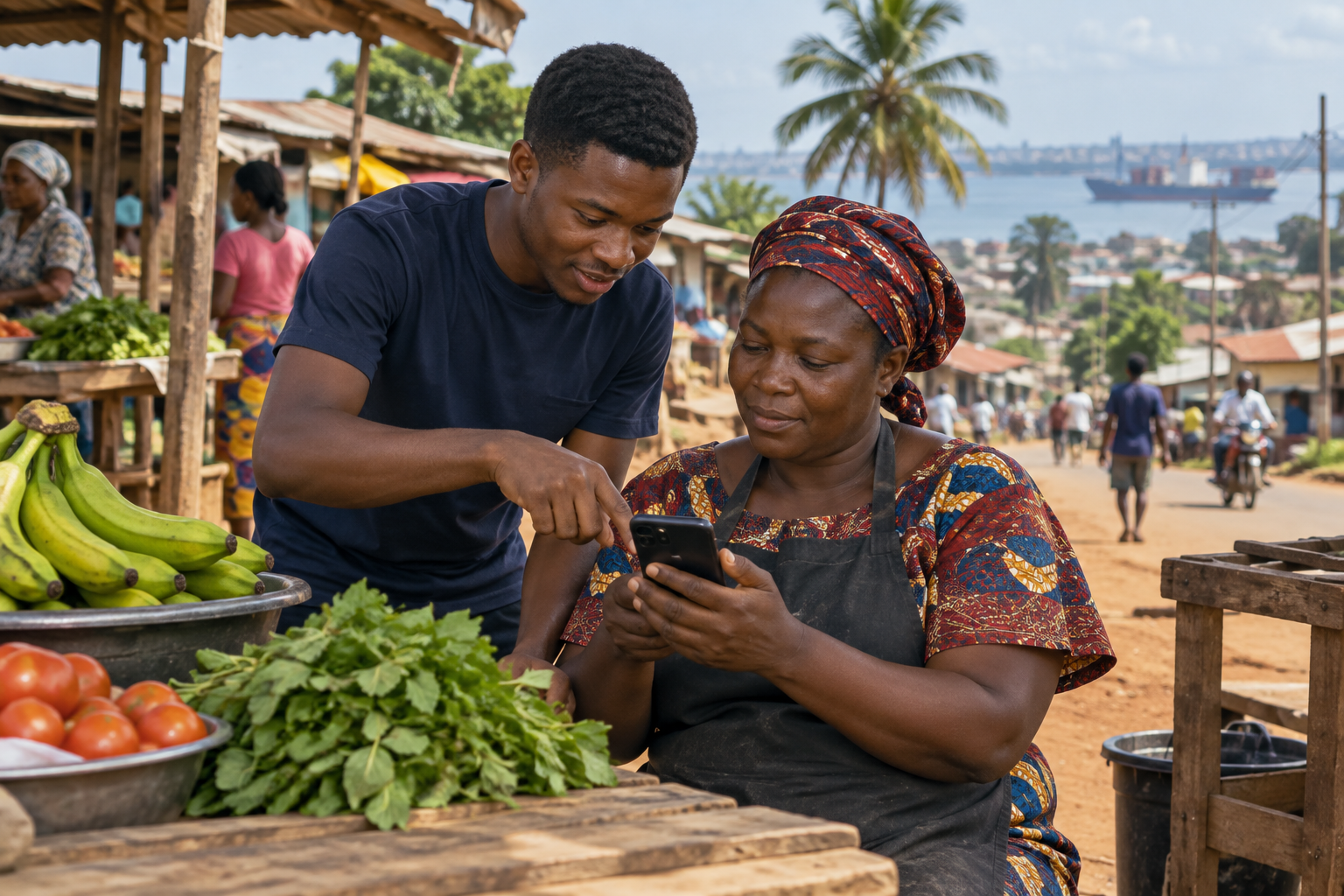
For Liberia, a key lesson could be the potential of a community-based mentorship model. A hypothetical “Community Tech Helper” program could be developed, based on recruiting and training trusted young people in towns and neighborhoods. These mentors would not need to be elite IT experts, but rather patient guides skilled in everyday digital tools.
The role of such mentors would be intensely practical. Instead of abstract lessons, support could be task-oriented. In a hypothetical example:
- A small business owner might get help from a mentor to securely set up and use a mobile money wallet, reducing risks associated with handling cash.
- A community member could learn how to verify information from official sources online, helping them distinguish it from potential misinformation. For instance, in a hypothetical public health scenario, a user could be shown how to confirm guidance by finding a Ministry of Health's official website, if one were available.
- A student could receive one-on-one guidance on how to navigate a generic online application portal for a school or scholarship, including how to identify and avoid fraudulent websites.
Crucially, this support must be delivered in familiar settings—markets, community centers, libraries—and in local languages. This approach lowers the barrier of intimidation and makes seeking help a normal, accessible activity.
Tradeoffs and implementation risks
A mentorship program carries inherent risks that must be managed from the outset. The most significant is privacy and trust. Mentors could potentially handle sensitive personal and financial information. A framework for such a program would need to include rigorous screening of mentors, mandatory training on data privacy and professional ethics, and a clear, simple process for users to report misconduct. Clear boundaries must be established to prevent mentors from exploiting their position.
Quality control is another challenge. The advice given must be accurate, safe, and consistent. This requires a standardized curriculum for training mentors and regular refreshers. Finally, sustainability is a key question. While a pilot might run on donor funds, a long-term national program would need a sustainable funding model, which could involve a mix of government budget, private sector contributions, and potentially small fees for business-specific services.
What global competence looks like here
Achieving widespread digital fluency is not necessarily about teaching everyone to code. A key component of digital competence begins at a more fundamental level: the confidence to use everyday digital tools to improve one's life and livelihood. This could include skills like making a digital payment, identifying a potential online scam, using educational resources, or finding reliable information.
A program like the hypothetical “Community Tech Helper” model would be an investment in this foundational confidence. It could provide citizens with greater agency, helping them become active participants who can use technology to solve problems. This represents an essential step toward fuller participation in a connected economy. In this context, digital competence means being able to navigate the digital world safely and effectively.
Bottom line
The design of the 2021 Rwanda pilot offers a compelling model for how community-based mentorship could be structured. However, any program in Liberia would need to be designed and piloted based on its own context, languages, and needs, rather than simply importing a model. Most importantly, success would need to be defined carefully. The number of workshops held or certificates issued can be a poor measure of impact. The true test of a successful pilot would be its ability to show that, after mentorship, participants can independently and confidently complete a set of essential digital tasks. Such evidence could then form the basis for considering a larger-scale investment in foundational digital skills.
Sources
- The World Bank in partnership with EQUALS launches new program to support digital skills development — World Bank, published 2021-03-26
Related reading

Training Should Begin With the Work Employers Need
To bridge the skills gap, Liberia's training programs should be redesigned around specific, employer-defined tasks, transforming certificates into verifiable portfolios of competence that businesses can trust.
Digital Learning Must Account for Unequal Access
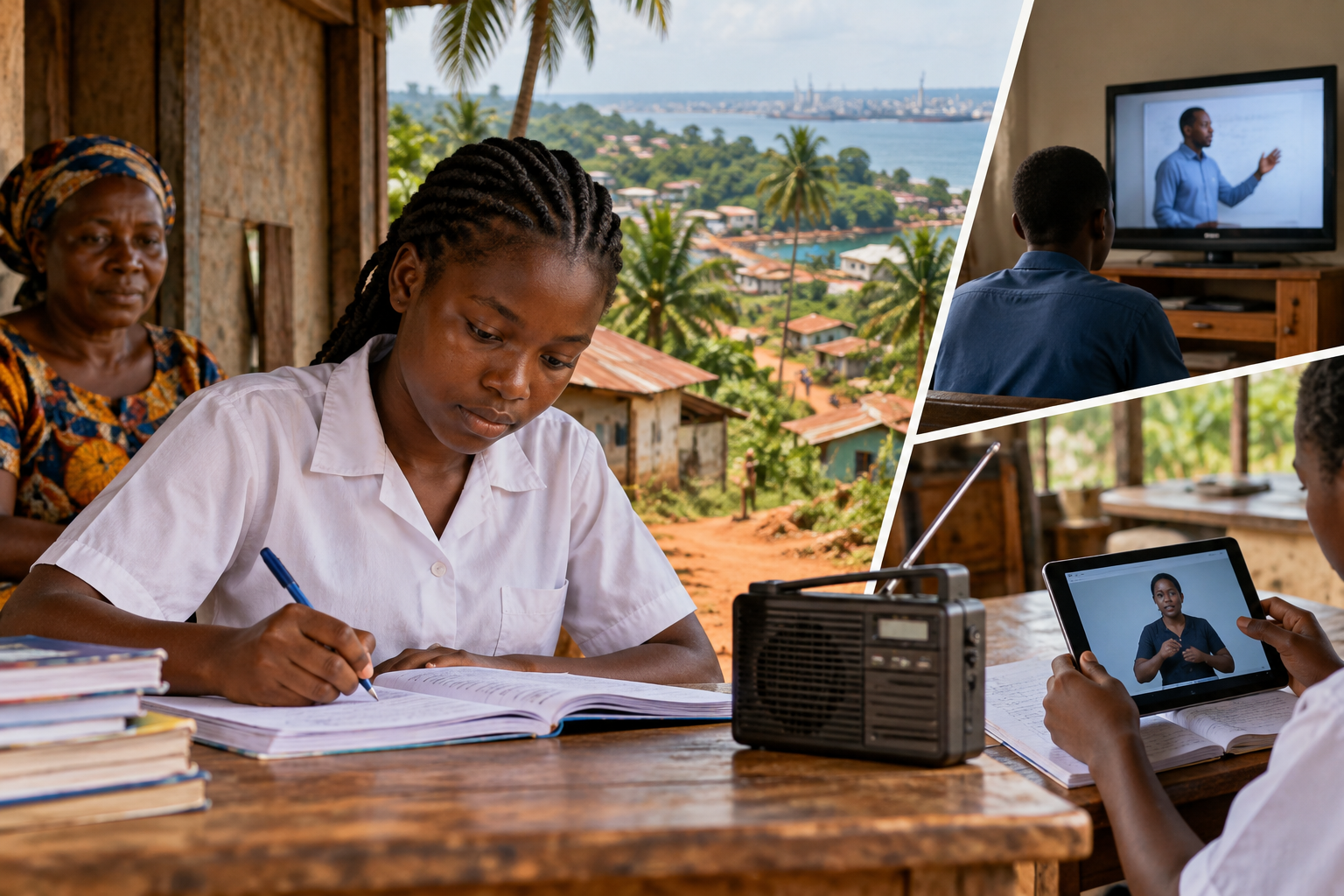
Ghana's pandemic response shows that effective digital education must be designed for unequal access, a lesson Liberia can apply by blending online, offline, and broadcast methods to ensure no student is left behind.

Young Professionals Need Evidence of Competence
To bridge the gap between academic credentials and employer needs, Liberia should adopt portfolio-based assessments where young professionals produce vetted, real-world work as tangible evidence of their competence.