
Teachers Need Time to Build Digital Teaching Skills
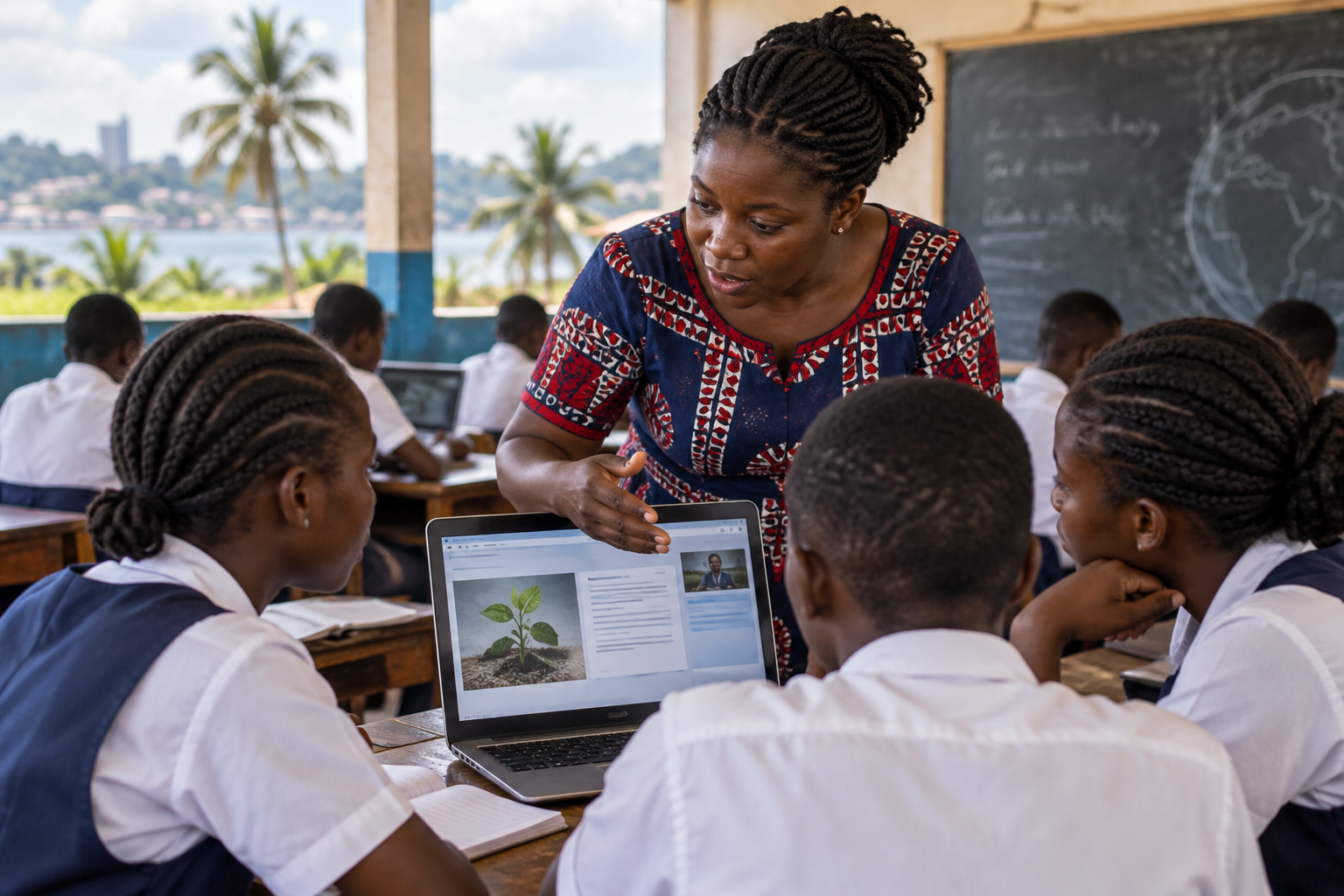
Ghana’s experience with educational technology shows that providing tools is not enough; Liberia must invest in giving teachers the time and structured support to build and test effective digital lessons for real learning to occur.
Editorial analysis. This piece reflects Executive Tea Chronicle's interpretation and editorial mission, not an official government position.
Analysis. Drafted from cited World Bank sources for editor review; Liberia proposals are the magazine's analysis, not source findings.
Source scope: the cited sources describe historical project designs and financing announcements (2021–2024), not verified current implementation outcomes. No new Liberia-specific factual evidence was checked for this draft; Liberia scenarios are hypothetical.
Integrating digital tools into classrooms is often considered a key component of modernizing an education system. The potential benefits are significant, including access to a world of information, new methods of learning, and preparation for a digital economy. However, a common risk in such initiatives is the assumption that providing hardware or internet access will automatically translate into better learning outcomes. Technology is a tool, and its effectiveness depends on the skill of the person using it.
Experience from across the continent provides a crucial reality check. A focus on hardware and software without a parallel, intensive investment in teacher capacity can lead to wasted resources. The goal is not just digital access, but digitally-enabled pedagogy. Instructors need dedicated time, structured support, and a practical framework to learn how to turn a promising new tool into a coherent lesson that a classroom of students can understand and learn from.
Ghana’s response to the educational disruption of the COVID-19 pandemic offers a case study in building such a framework. The challenge was not just about deploying technology, but about making it work for teachers and students under immense pressure. Liberia could consider lessons from this approach, which focuses on the essential human element of educational technology: the teacher.
What the comparison shows
When Ghana faced a 10-month school closure beginning in March 2020, the government initiated a comprehensive response plan. According to a May 2022 World Bank report, this effort was supported by the International Development Association-funded Ghana Accountability for Learning Outcomes Project (GALOP). The plan's design suggested an understanding that reaching an estimated 4.45 million students required a multi-layered strategy that went beyond simply putting content online.
The project’s design, as reported by the World Bank, combined high-tech, low-tech, and no-tech solutions. It supported the development of lessons for distance learning delivered via television, radio, and online channels. To help address the digital divide, the project also supported the distribution of printed learning materials. A key component was the development of a Learning Management System to create an online space for communication between students, parents, and teachers. From an analytical perspective, a highly instructive element of the strategy was its focus on supporting educators.
The project's design appeared to recognize that teachers would require support to adapt. A core part of the approach involved teacher development and providing materials for recovery learning after schools reopened. For example, one teacher quoted by the World Bank noted that an accelerated learning program helped both teachers and learners. This combination—providing the tools (such as distance learning content and online platforms) and simultaneously enabling teachers to support students—illustrates a more complete operational plan, not just a technology rollout.
Analysis: applying the lesson in Liberia
For Liberia to apply the spirit of such a comprehensive approach, one area of focus could be professional development for teachers. This could involve moving beyond theoretical instruction toward a continuous, practice-based cycle of instructional design, testing, and refinement. Such a program would emphasize a shift from theory to application.
A professional development program grounded in this philosophy would look different. It could require teachers, working in small peer groups, to develop a single, 15-minute lesson using a designated digital tool—which could be anything from a simple presentation app to a shared online document or even a structured plan for a radio lesson. The next, most critical step would be for the teacher to deliver that lesson to a small group of students. The final step is reflection and review with their peers, perhaps guided by a mentor teacher.
- A hypothetical science teacher in Gbarnga might use a free simulation app to explain cellular mitosis. During peer review, she might discover the vocabulary was too advanced for the grade level, prompting her to add a glossary to her next version.
- A hypothetical social studies teacher in Voinjama might create a lesson using digitized historical maps. After testing it, he might realize students need a worksheet with guiding questions to focus their exploration of the map, a resource he then creates and shares with his colleagues.
This model would frame professional development as an active, creative process. For such a framework to succeed, any implementing body would need to provide two key resources: protected time for teachers to do preparation and collaborative work, and access to basic technical assistance. Without institutional support for time and technical help, such a program risks becoming a burden rather than an empowerment tool.
Tradeoffs and implementation risks
This approach is not without costs. Dedicating school hours to peer collaboration and lesson design means that time is not being used for direct student instruction. This is a significant tradeoff, but it can be viewed as an investment in the quality of all future instruction. The potential long-term benefit of better-designed, more effective lessons may outweigh the short-term loss of some instructional hours.
Another implementation risk is potential resource inequity. In many national contexts, teachers in urban centers may have more reliable access to electricity and internet than teachers in rural areas. An effective program would therefore need to be flexible, defining “digital tool” broadly to include options like SMS-based engagement, structured audio lessons for radio, or well-designed printable worksheets created on a shared computer. The core principle remains planning, testing, and refining instruction, regardless of the technology’s sophistication.
What global competence looks like here
True competence in teaching is not measured by the flashiness of a presentation. It is measured by a teacher’s ability to assess student understanding and adapt their methods accordingly. A polished animation that leaves students confused has limited educational value. A simple, clear explanation—whether delivered via video, audio, or on a chalkboard—that leads to genuine comprehension is the mark of an effective educator.
The practice-and-review model described builds this exact competence. It forces the question, “Did the students actually learn what I intended?” It makes student assessment a direct feedback loop for improving teaching. This iterative process—plan, teach, assess, revise—is an engine of effective education, and it is a skill that transcends any single piece of technology.
Bottom line
Ghana’s pandemic-era education project underscores a key principle: technology does not teach children, teachers do. Providing digital tools without investing in the capacity of educators to use them effectively is a potential path to expensive disappointment. For Liberia, the analysis suggests a clear takeaway. Building an ecosystem that gives teachers the time, structure, and collaborative support to master new tools would be critical. Investing in a continuous cycle of lesson creation, testing, and refinement could help ensure that technology in the nation's schools leads not just to digital access, but to durable learning.
Sources
- Ghana: Online Education for Delivering Learning Outcomes during the COVID-19 School Closure — World Bank, published 2022-05-16
Related reading
Training Should Begin With the Work Employers Need
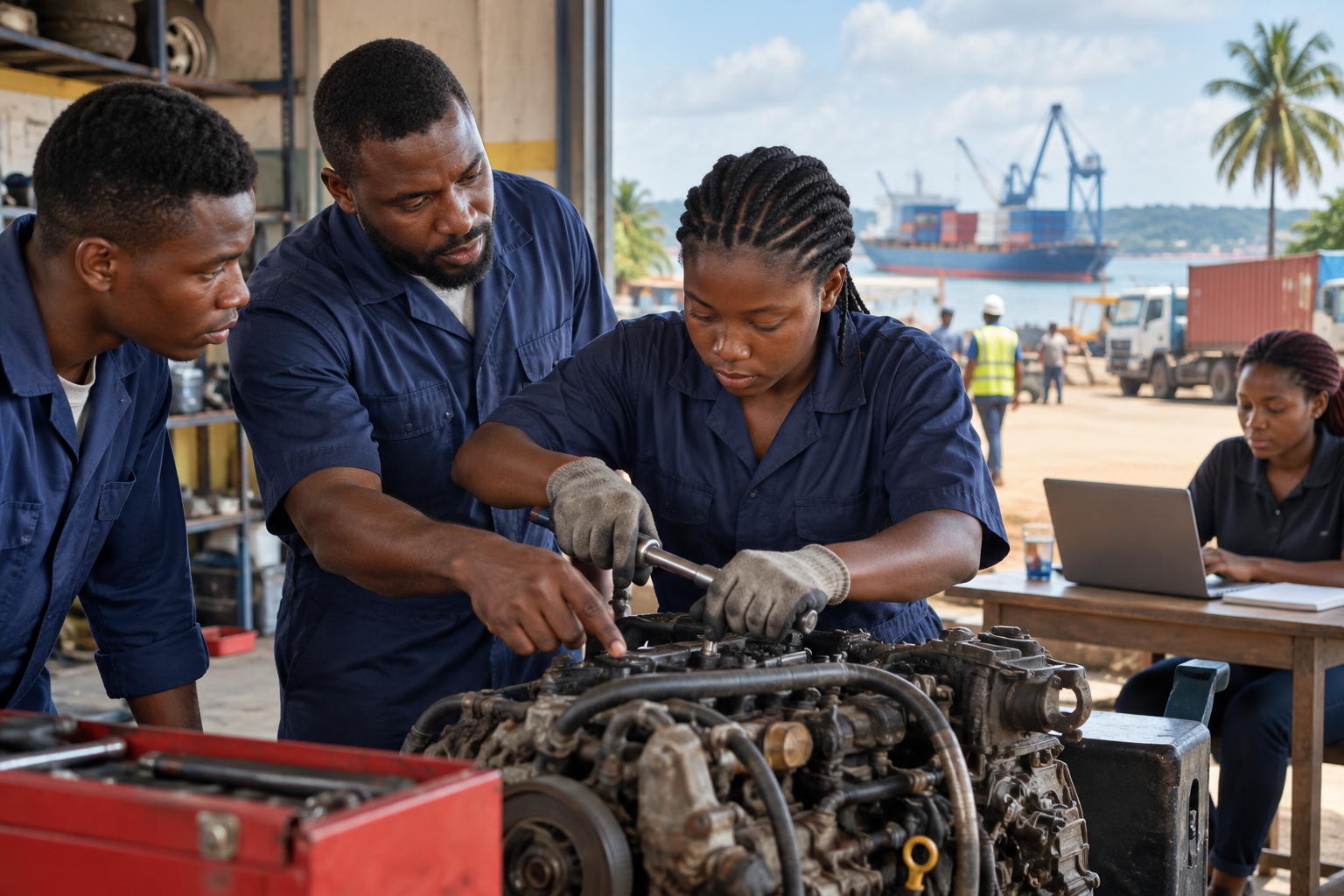
To bridge the skills gap, Liberia's training programs should be redesigned around specific, employer-defined tasks, transforming certificates into verifiable portfolios of competence that businesses can trust.
Digital Learning Must Account for Unequal Access
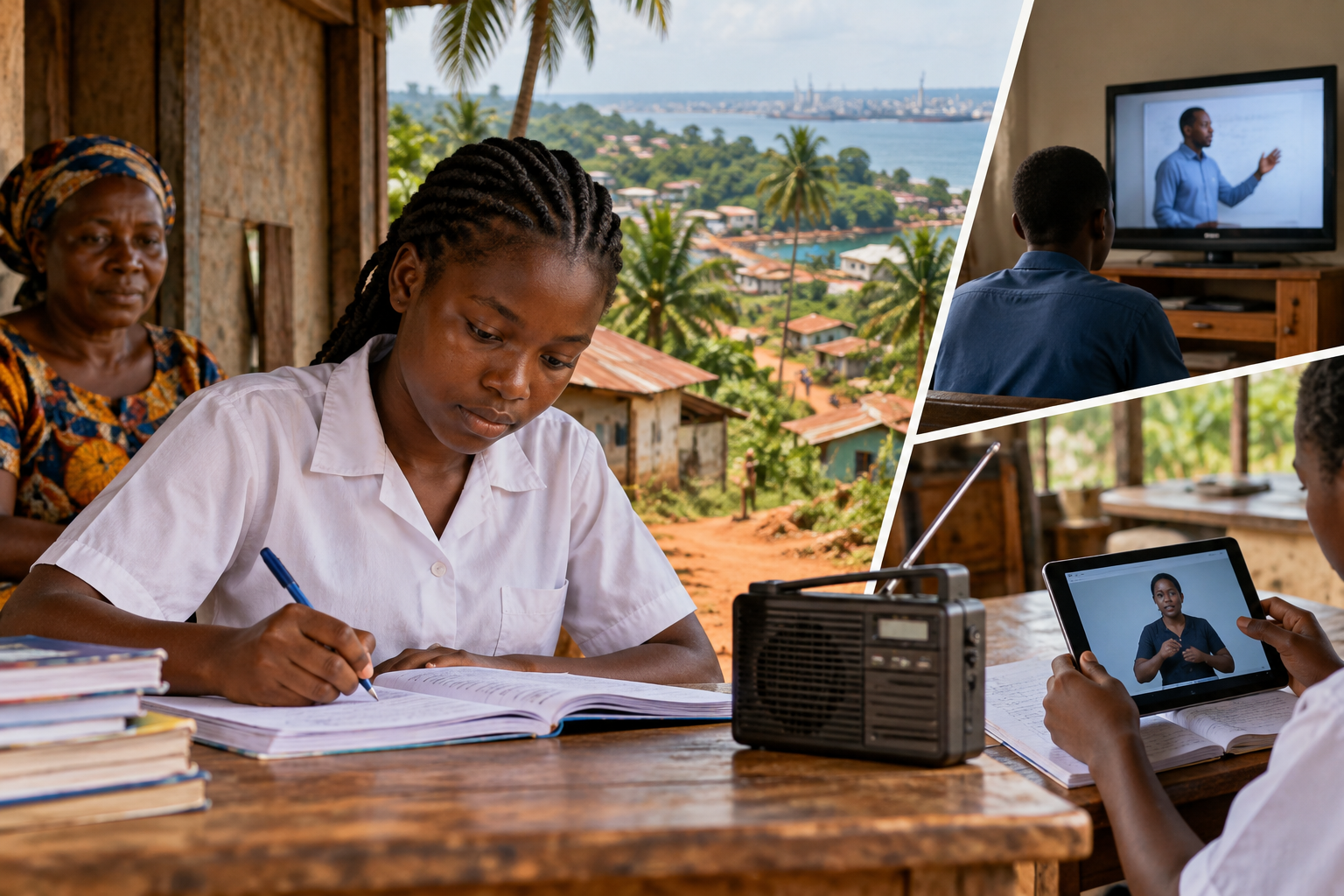
Ghana's pandemic response shows that effective digital education must be designed for unequal access, a lesson Liberia can apply by blending online, offline, and broadcast methods to ensure no student is left behind.

Young Professionals Need Evidence of Competence
To bridge the gap between academic credentials and employer needs, Liberia should adopt portfolio-based assessments where young professionals produce vetted, real-world work as tangible evidence of their competence.