
Rural Services Should Remain Usable Without Constant Internet
For Liberia's digital transformation to benefit the rural economy, public and commercial services must be designed to function reliably through intermittent connectivity, not depend on an always-on internet connection.
Editorial analysis. This piece reflects Executive Tea Chronicle's interpretation and editorial mission, not an official government position.
Analysis. Drafted from cited World Bank sources for editor review; Liberia proposals are the magazine's analysis, not source findings.
Source scope: the cited sources describe historical project designs and financing announcements (2021–2024), not verified current implementation outcomes. No new Liberia-specific factual evidence was checked for this draft; Liberia scenarios are hypothetical.
The promise of digitalization for national development is immense, offering paths to streamline commerce, improve public services, and connect agricultural regions to wider markets. Yet, a common challenge can threaten this progress: the assumption of constant, stable internet connectivity. In many developing economies, a significant discrepancy in service reliability can exist between urban centers and rural areas. To build digital tools that depend on an always-on connection is to risk excluding rural populations who could otherwise stand to gain significantly.
Designing for this reality is not a compromise; it is a prerequisite for effective implementation. Rather than waiting for ideal infrastructure to be universally available, a practical strategy is to innovate for existing conditions. This means prioritizing systems that are resilient, that can function offline, and that empower users in low-bandwidth environments. International development goals provide a useful mirror for these ambitions. A focus on digital inclusion for vulnerable and rural populations in other African nations underscores the universality of this challenge, prompting a closer look at how smarter solutions can be designed from the outset.
What the comparison shows
International partners are channeling significant resources toward digital transformation across the continent, often with an explicit focus on underserved areas. A case in point is a project in Burkina Faso. According to a World Bank press release of 23 January 2024, its International Development Association (IDA) approved a $150 million Digital Acceleration Project for the country. The stated purpose is to improve access to infrastructure, public services, and digital skills.
The project’s design specifically acknowledges the need to reach populations on the margins. The World Bank announcement noted that the operation will target several vulnerable groups, including rural communities that have been excluded from essential public services. A key objective cited in the release is to increase access to broadband connectivity for the population, especially in areas vulnerable to climate shocks. The project also aims to accelerate the digital transformation of public services in sectors like education and health and to train public administration staff. The existence of a project with these goals suggests that the digital divide between urban and rural areas is a widely recognized obstacle to development that requires deliberate, targeted solutions.
Analysis: applying the lesson in Liberia
Liberia can draw a powerful lesson from this focus on inclusion. Instead of aiming only to expand network coverage and hoping services follow, a proactive approach would be to design services that tolerate poor connectivity. This is the principle of “offline-first” design, where an application’s core functions remain usable without an active internet connection.
Consider a few hypothetical applications for the Liberian economy:
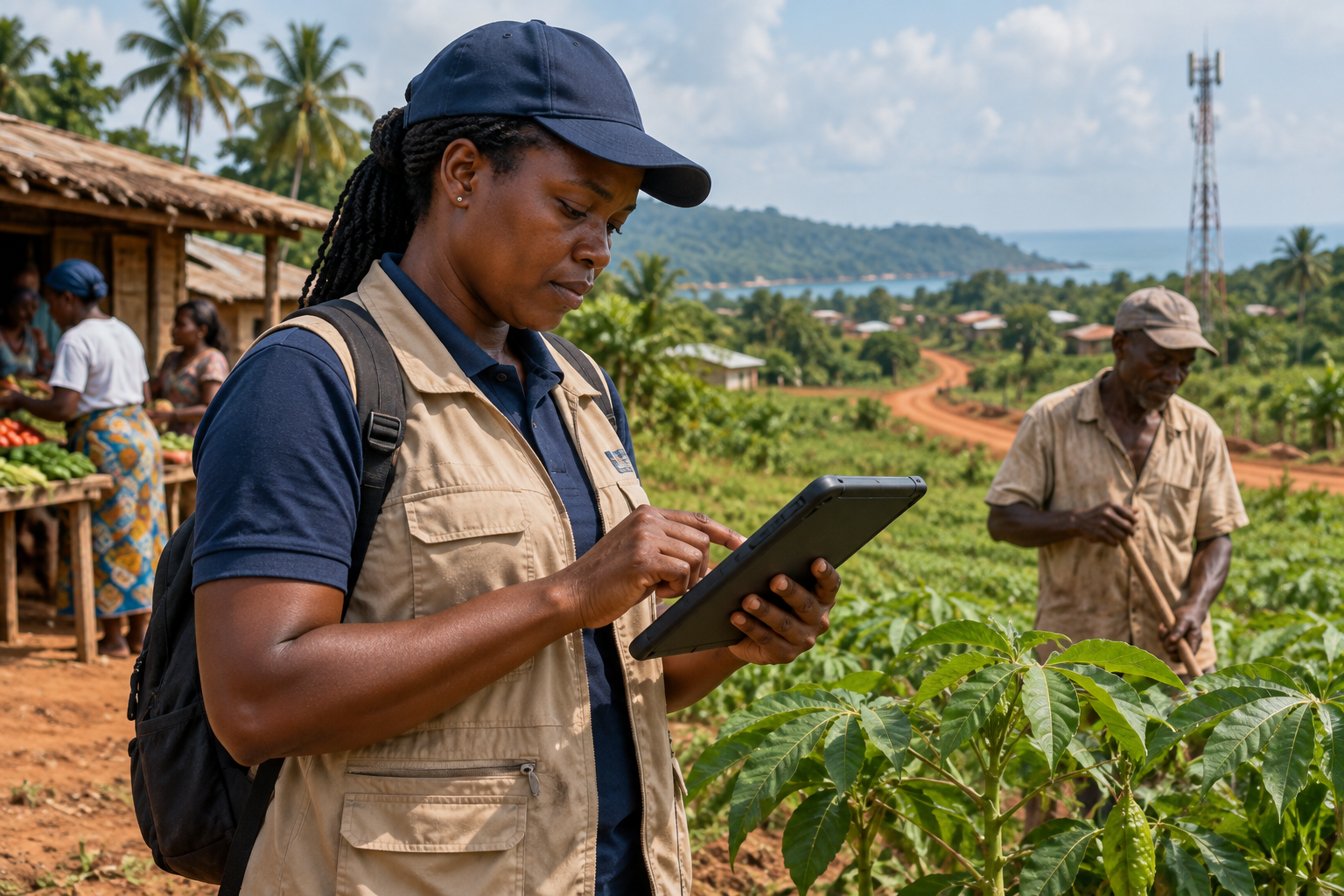
- In a hypothetical agricultural scenario, an extension agent from a government entity could use a tablet to record soil sample data, register a farmer for a subsidy, and log pest observations directly into an official application, even with no signal. The data would be securely stored on the device and automatically synchronize to a central server the next time the agent connects to a network in a regional town or the capital.
- A hypothetical wholesaler in a regional market could use a simple inventory management app on a basic smartphone to track produce purchases and sales throughout the day. The app could be designed to work offline, preventing data loss during network outages, and sync sales records when a connection becomes available, allowing for more accurate business intelligence.
- A hypothetical healthcare worker in a rural clinic could update patient records or log vaccine administrations offline. The system would need to be designed to flag that the information is pending synchronization and manage potential data conflicts, for example, if a record is accessed from a central office before field updates have been uploaded.
These systems would need clear, simple indicators to show the user what information is current and whether recent work has been successfully saved to the central database. Crucially, they must provide straightforward instructions for recovering from a failed submission, ensuring that a dropped connection does not mean lost work or duplicated records.
Tradeoffs and implementation risks
This approach is not without its own challenges. Building robust offline-first applications is technically more complex and can be more expensive upfront than creating a standard web-based tool. It requires sophisticated data synchronization logic to prevent conflicts and ensure data integrity. Furthermore, storing sensitive information on field devices, even temporarily, introduces security risks. A lost or stolen tablet could compromise agricultural or health data if not properly encrypted and protected with strong access controls. A clear protocol would be needed for remotely wiping a lost device and for reconciling data that was on it but had not yet been synchronized. This requires a level of technical planning that goes far beyond simply building a user interface.
What global competence looks like here
Adopting this design philosophy reflects a practical approach to technology implementation. It is not about uncritically importing technology popular in highly-connected societies; it is about the sophisticated work of adapting global innovations to solve local problems effectively. Competence, in the Liberian context, would mean understanding that network reliability can be a major operational risk and engineering systems to mitigate it from the start. A pilot program for any new digital public service should therefore be required to test scenarios of poor connectivity, device failure, and data loss. Success should be measured not only by performance in an ideal urban setting with stable connectivity, but also by its reliability under the challenging conditions often found in the field.
Bottom line
Digital tools hold the power to transform Liberia’s rural economy and public life, but only if they are built for the reality of existing infrastructure limitations. By observing the challenges other developing nations are tackling, Liberia can adopt smarter and more strategic designs. Reliability should be treated as a core feature, not an afterthought. The goal should be to build digital services that remain usable even when the internet is not, ensuring that a push for modernization can include a wider population, regardless of location or network quality.
Sources
- Burkina Faso: Scaled-up Support for Digital Transformation — World Bank, published 2024-01-23
Related reading
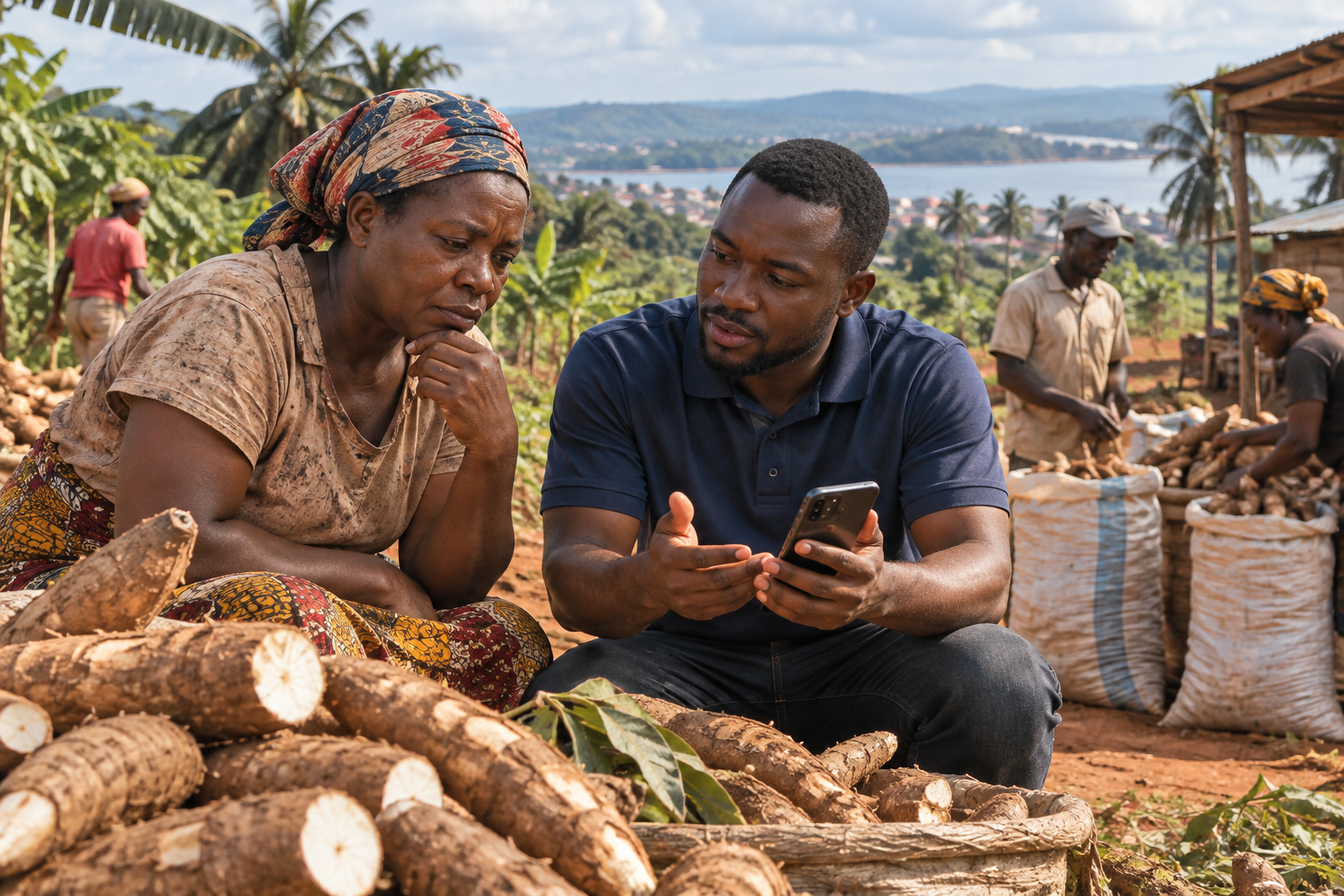
Agricultural Technology Should Begin With a Farmer Problem
For agri-tech to succeed in Liberia, it must move beyond hype and be co-designed with farmers to solve a specific, identified problem, adapting technology to local conditions rather than imposing generic solutions.
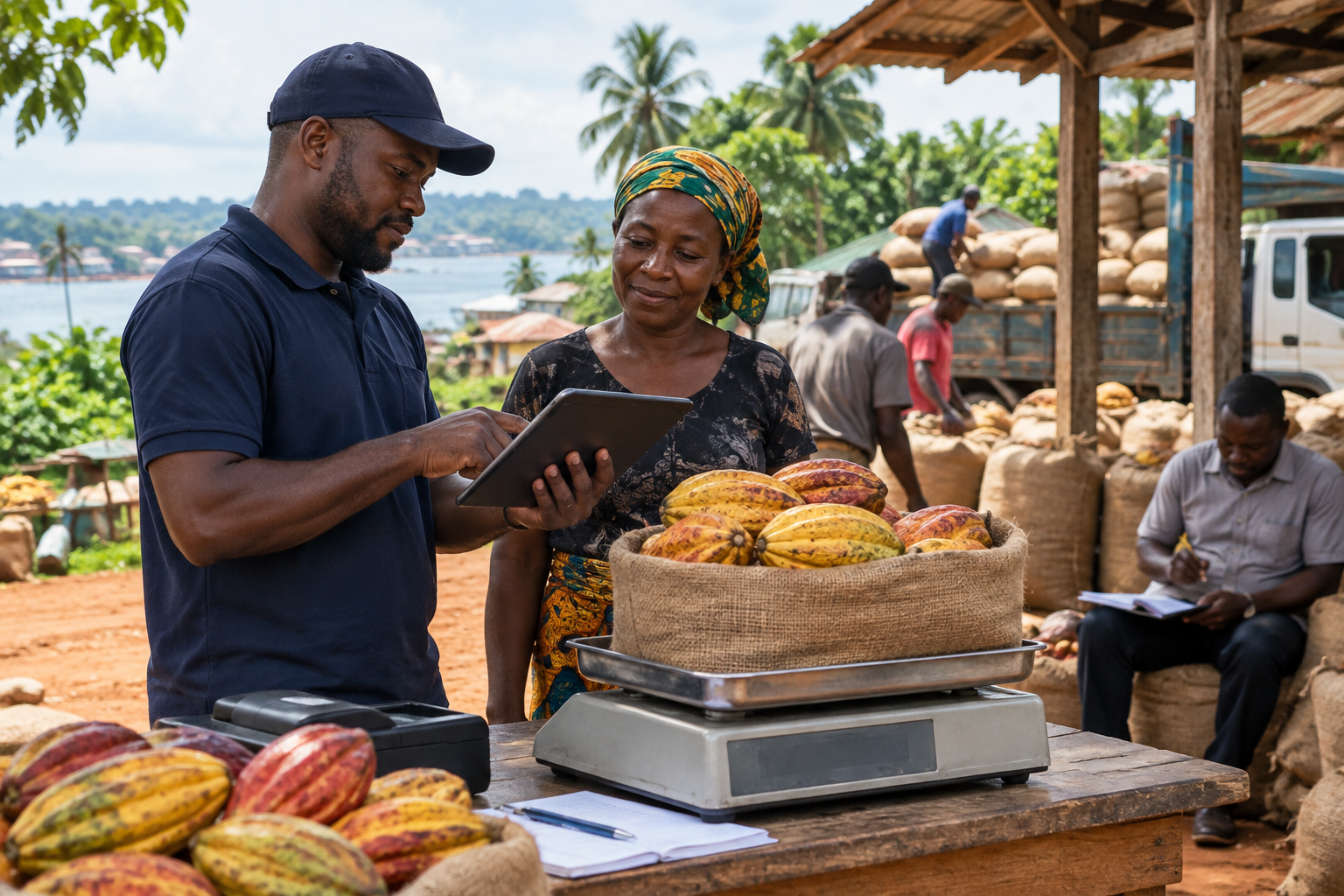
Supply Chain Records Can Make Trade More Dependable
Applying the principles of Kenya's national digital strategy to Liberian agriculture could create a system of shared records, reducing disputes and making trade more dependable for farmers and buyers alike.
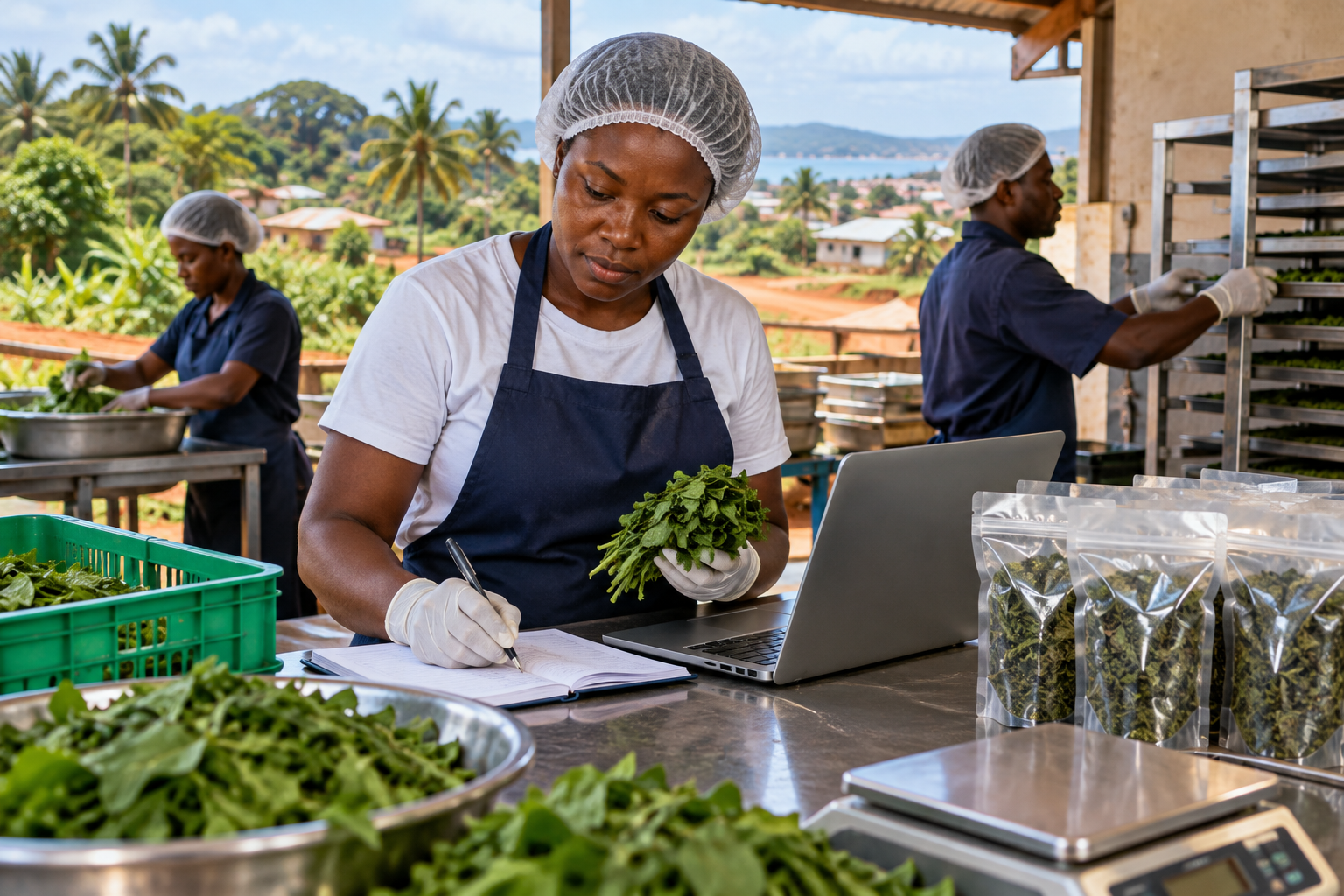
Food Processing Needs Consistent Quality Records
To scale up, Liberian food processors must adopt disciplined record-keeping systems that link technology and workforce training, building the verifiable consistency that commercial buyers demand.