
Women Need Practical Routes Into Technical Work
Liberia's push for youth skills can learn from Burkina Faso's inclusive project design, which shows that true progress requires removing the practical barriers that keep women from technical training and careers.
Editorial analysis. This piece reflects Executive Tea Chronicle's interpretation and editorial mission, not an official government position.
Analysis. Drafted from cited World Bank sources for editor review; Liberia proposals are the magazine's analysis, not source findings.
Source scope: the cited sources describe historical project designs and financing announcements (2021–2024), not verified current implementation outcomes. No new Liberia-specific factual evidence was checked for this draft; Liberia scenarios are hypothetical.
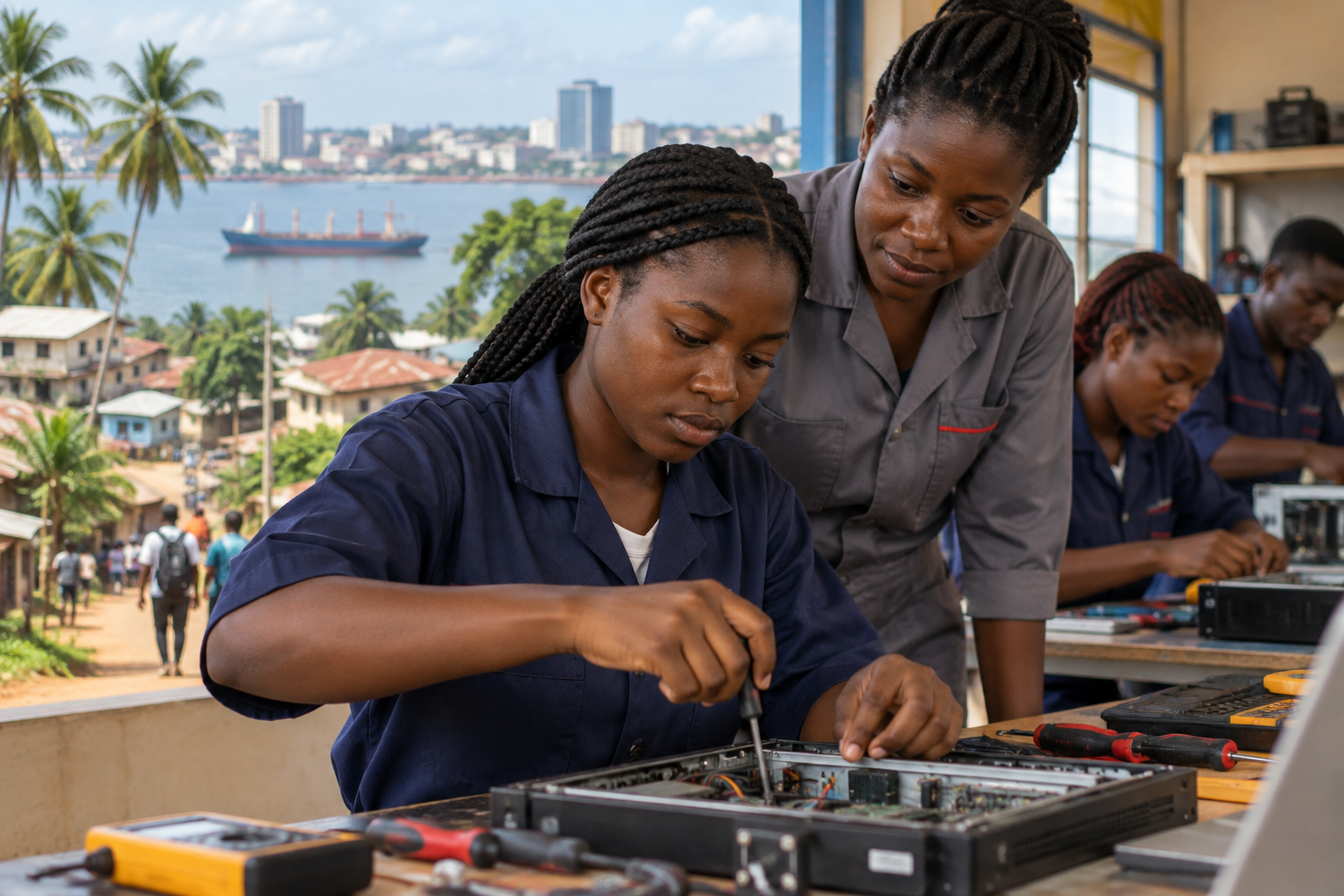
A country's economic future can be strengthened by building a workforce ready for a more connected and technical world. While launching new skills training programs is a necessary step, a critical question is who can take advantage of these opportunities. A course may be formally open to all, but if practical barriers prevent motivated and capable women from enrolling, completing their studies, and securing a job, then a key portion of the available talent pool may be underutilised.
Meaningful progress can move beyond proclamations of equal opportunity and toward a more rigorous, evidence-based model of inclusion. This involves investigating the logistical, social, and financial hurdles that can disproportionately affect women and then working to address them. The goal is not merely to offer training, but to engineer practical pathways for women into technical work and toward professional advancement.
Looking abroad, the design of some development projects offers a template for this kind of intentionality. An initiative in Burkina Faso announced in 2024, though designed for a different context, provides a useful lens for how to think about building inclusivity into a program from its foundation.
What the comparison shows
In a press release dated January 23, 2024, the World Bank announced its approval of a $150 million Digital Acceleration Project for Burkina Faso. Financed by the International Development Association (IDA), the project's stated purpose is to improve the population's access to digital infrastructure, public services, and skills. According to the Bank, the project is designed to build on the achievements of past projects to expand connectivity and digitize essential services like education and health.
Crucially, the project's design explicitly intends to reach specific underserved groups. The World Bank stated that the operation will target several vulnerable populations, including internally displaced persons and rural communities. One of the project's task team leaders noted its aim to increase broadband access in areas vulnerable to climate shocks and to provide young people with opportunities to acquire digital skills and jobs. The key lesson here is not about the project's eventual outcome, which remains to be seen, but about the initial design principle: a conscious, proactive decision to identify and serve groups that might otherwise be left behind.
Analysis: applying the lesson in Liberia
This principle of designing for inclusion is directly applicable to efforts to bridge a potential gender gap in technical sectors. Instead of only hoping women will enroll, program designers—whether in government, NGOs, or the private sector—could begin with a diagnostic phase. They might ask: what are the potential real-world obstacles that women might face when trying to participate?
The answers would likely revolve around practical concerns. For example, a hypothetical training program might offer evening classes, but consultations could reveal that a lack of safe or reliable transport makes such a schedule unworkable for many women. Childcare responsibilities during standard business hours could be another significant barrier. A prospective student from a rural area may have the aptitude for a technical subject, but may lack consistent access to a laptop or the funds for reliable data required for online coursework.
Addressing such issues requires a specific approach:
- Consultative Scheduling: Program designers could poll prospective female learners about class times and formats that are compatible with their existing family and work responsibilities.
- Logistical Support: It may be worth considering providing transport stipends, vetted transport services, or childcare support as integral parts of a scholarship or program.
- Access to Tools: For courses requiring technology, programs could incorporate the cost of loaner laptops or data bundles into their budgets.
- Realistic Mentorship: Mentorship can move beyond inspiration to provide practical information. A mentor could explain the realities of entry-level technical roles, illustrative starting salaries, and the concrete steps needed for career advancement.
Tradeoffs and implementation risks
This approach is not without challenges. Providing support services for transport or childcare increases a program's per-student cost. Policymakers may face a tradeoff between a lower-cost program that reaches fewer, less-disadvantaged students and a more expensive one that could create broader opportunity. An argument could be made that the higher upfront investment yields a greater long-term return by tapping into a wider talent pool.
Furthermore, any targeted support must be implemented with transparency to avoid perceptions of unfairness. The objective is not to lower standards but to ensure that capable candidates from all backgrounds have the opportunity to meet them. Selection criteria for programs must remain clear, merit-based, and fairly assessed. Support services can level the playing field for entry; they do not guarantee graduation.
Defining National Competence
A nation's technical competence is not measured by a handful of elite experts, but by the breadth and depth of skills across its workforce. Achieving this requires a system that actively seeks out and cultivates talent. This means holding skills providers accountable for meaningful results.
Training institutions could be encouraged to track and report on key performance indicators, disaggregated by gender. These might include not just enrollment numbers, but completion rates, job placement rates within six months of completion, and one-year retention rates in a technical role. This data can serve as a critical feedback loop. If a program shows a high dropout rate for women after the first month, that could trigger an investigation and a change in strategy, rather than an acceptance of the status quo.
Bottom line
Building a vibrant, inclusive technical workforce in any nation demands more than good intentions; it demands good design. The lesson from international project frameworks, such as the World Bank's 2024 financing approval for Burkina Faso, is the power of building inclusion into a program's DNA. For Liberia, this could mean identifying practical barriers that may prevent women from entering technical fields and investing strategically to remove them. Success in this area is not just a certificate of completion; it is a measurable increase in the number of women gaining a foothold in technical careers with demonstrable opportunities to advance. This is a potential pathway to building a more competent and equitable economy.
Sources
- Burkina Faso: Scaled-up Support for Digital Transformation — World Bank, published 2024-01-23
Related reading
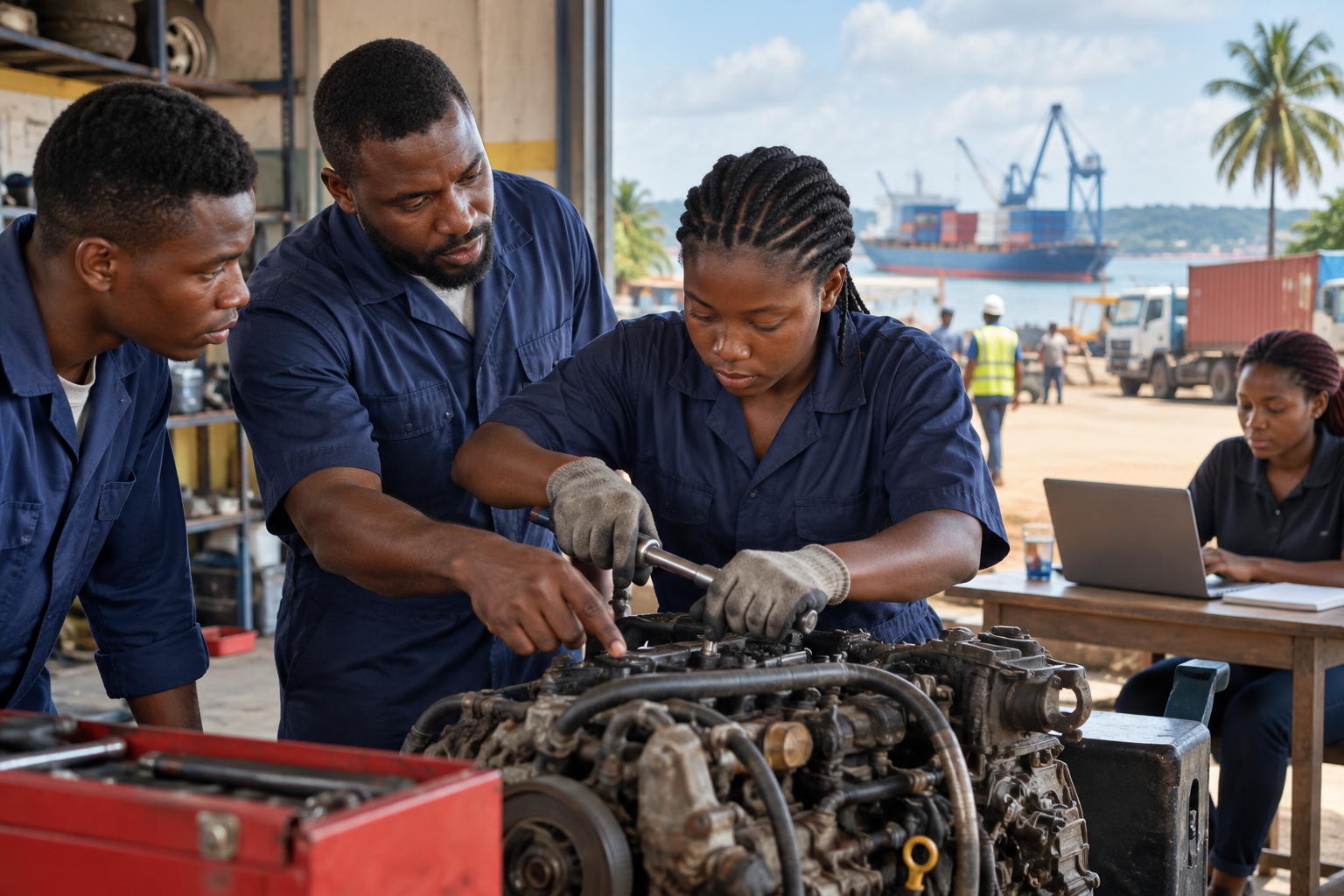
Training Should Begin With the Work Employers Need
To bridge the skills gap, Liberia's training programs should be redesigned around specific, employer-defined tasks, transforming certificates into verifiable portfolios of competence that businesses can trust.
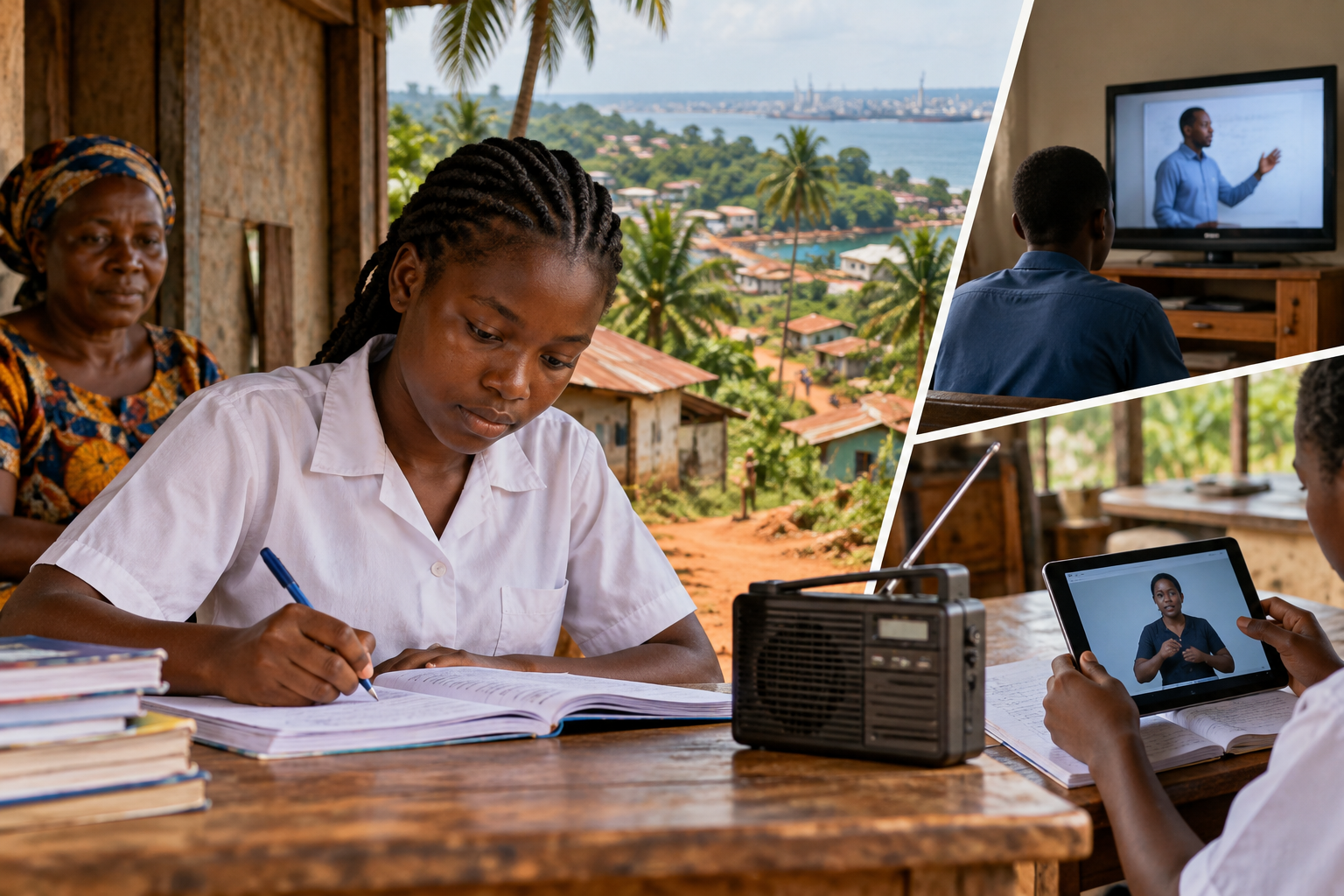
Digital Learning Must Account for Unequal Access
Ghana's pandemic response shows that effective digital education must be designed for unequal access, a lesson Liberia can apply by blending online, offline, and broadcast methods to ensure no student is left behind.

Young Professionals Need Evidence of Competence
To bridge the gap between academic credentials and employer needs, Liberia should adopt portfolio-based assessments where young professionals produce vetted, real-world work as tangible evidence of their competence.