
Supply Chain Records Can Make Trade More Dependable
Applying the principles of Kenya's national digital strategy to Liberian agriculture could create a system of shared records, reducing disputes and making trade more dependable for farmers and buyers alike.
Editorial analysis. This piece reflects Executive Tea Chronicle's interpretation and editorial mission, not an official government position.
Analysis. Drafted from cited World Bank sources for editor review; Liberia proposals are the magazine's analysis, not source findings.
Source scope: the cited sources describe historical project designs and financing announcements (2021–2024), not verified current implementation outcomes. No new Liberia-specific factual evidence was checked for this draft; Liberia scenarios are hypothetical.
In many agricultural economies, growth can be hindered by a lack of shared, trusted information. Along a supply chain, from the farm to a processing facility, disagreements over the weight, quality, or payment status of goods can create commercial friction. Such disputes may consume time, strain business relationships, and introduce financial uncertainty for smallholder farmers. When a transaction relies on records that can be lost or on verbal agreements, resolving discrepancies can be challenging.
This is fundamentally an information problem, where a potential weakness in data integrity can create a corresponding weakness in commerce. A potential solution lies not necessarily in more oversight, but in better, shared data. As Liberia considers its economic development path, it could draw lessons from the strategic approaches of other African nations. Some countries are pursuing digital transformation initiatives, and the principles behind them may offer a framework for tackling specific, sectoral challenges. By focusing on the concept rather than a specific model, it may be possible to design targeted interventions.
What the comparison shows
An initiative in East Africa provides a useful template for thinking about system-wide improvements. In Kenya, the government is proceeding with a national program to enhance its digital infrastructure. According to a World Bank press release from April 5, 2023, its board approved $390 million in financing for the first phase of the Kenya Digital Economy Acceleration Project. This initial phase is planned to run from 2023 to 2028 as part of a larger, multi-phase effort.
The project's stated objectives are comprehensive. It aims to expand access to high-speed internet, with a goal of boosting broadband network coverage for the more than 70% of Kenya’s population that the World Bank identifies as residing in rural and underserved areas. The initiative also intends to improve the delivery of government and educational services and build digital skills. A second phase, planned for 2026 to 2030, will concentrate on a goal relevant for this analysis: building a “data driven and secure environment for enhanced digital service delivery and innovation.” The World Bank announcement noted the project aims to make Kenya’s growth more equitable by reducing disparities in connectivity and skills. The core lesson is not the scale of the investment, but the strategic recognition that a functional modern economy can benefit from reliable data infrastructure.
Analysis: applying the lesson in Liberia
Liberia would not need to replicate Kenya’s entire national strategy to benefit from its core insight. The principle of creating a “data driven environment” could be applied to a specific sector, such as the agricultural supply chain. A potential goal would be to create a single, verifiable record for every transaction, from collection to final payment, accessible to both the farmer and the buyer.
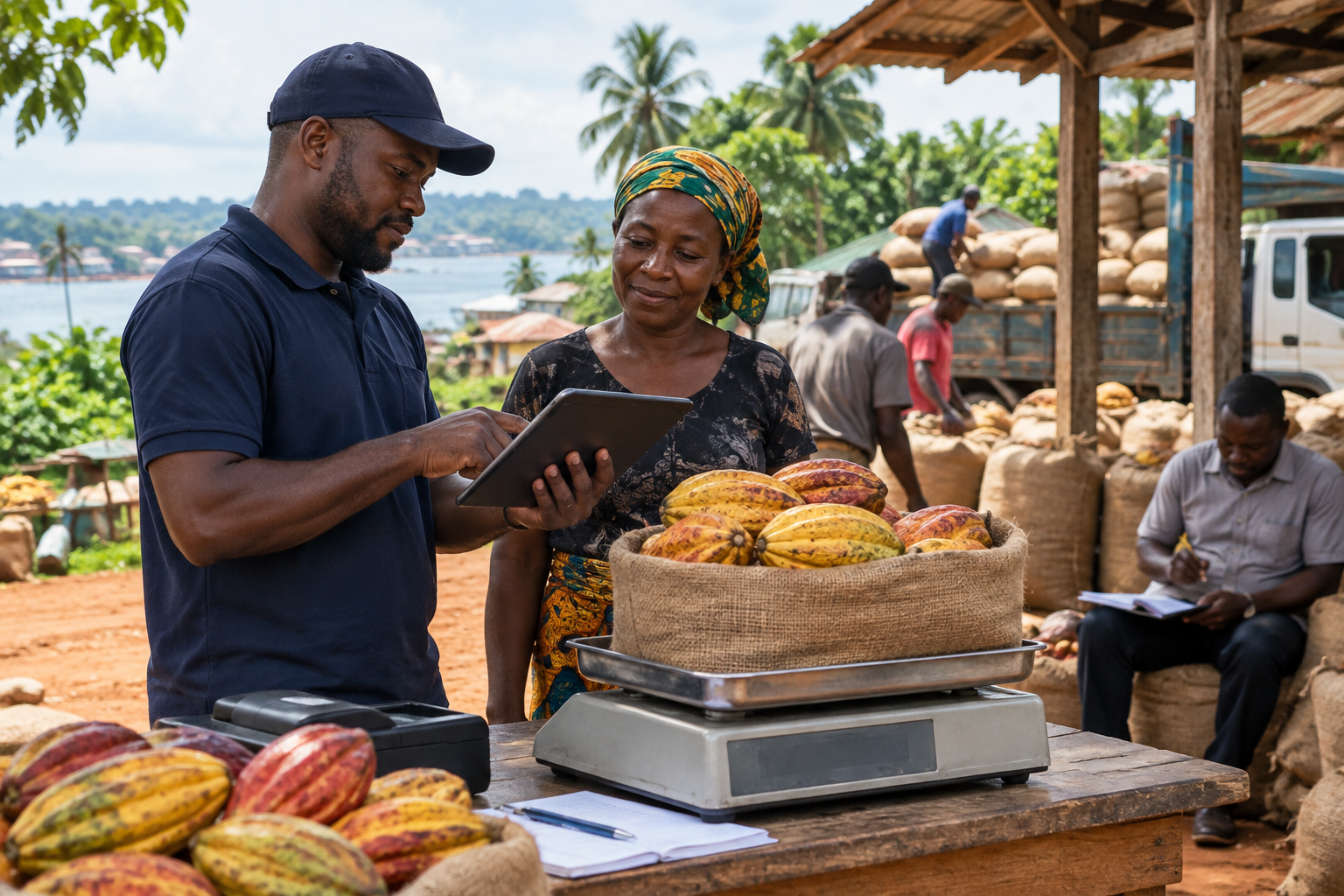
In a hypothetical example, a cocoa wholesaler sourcing from numerous smallholder farmers could equip a field agent with a simple tablet or smartphone running a specialized application. When a farmer brings their produce, the process could be transparent and documented:
- The agent records the farmer's unique ID, the date, and the time.
- The produce is weighed on a calibrated digital scale connected to the device, and the weight is automatically logged.
- The agent and farmer agree on a quality grade, which is also entered into the system.
- The app generates a unique transaction code and could send a summary via SMS to the farmer’s phone, creating an instant digital receipt. A paper copy could also be printed.
This simple act could transform the transaction. The wholesaler could then see, in near real-time, a dashboard of all incoming produce, total weights, and quality assessments. This could allow for better inventory management and financial forecasting. For the farmer, the benefits could also be significant. They would have a record of their delivery. In this hypothetical system, a farmer could use a simple USSD code on a mobile phone to enter their transaction code and check their payment status. This level of transparency could help build trust and empower the supplier, helping to ensure they are paid correctly for what they delivered.
Tradeoffs and implementation risks
Implementing such a system would present challenges. A key issue in many digital projects is connectivity. Consistent internet access may not be available in all rural areas. A solution would need to be designed for this reality, perhaps allowing for offline data capture where an agent’s device stores transaction records securely and syncs them to a central server once it connects to a network.
Another risk is digital exclusion. Any such system would need to be designed to empower, rather than marginalize, farmers with low literacy or who are less comfortable with technology. This would require a human-centered design, a simple process, and accessible training, perhaps delivered through farmer groups or community structures. Non-digital options, like checking a record with a trusted agent, might need to remain available. The cost of equipment, software, and maintenance would also need to be addressed, potentially through a public-private partnership or an industry-led initiative.
Finally, a digital system does not eliminate bad faith, but it can create accountability. While a collector could still attempt to enter a fraudulent weight, a digital timestamp and a farmer holding a receipt could make patterns of fraud much easier to identify and prove during a dispute. The key is that it creates an auditable trail, improving the quality of transaction records.
What global competence looks like here
Adopting a system of traceable, digital records is not merely a matter of local efficiency; it can be a step toward global competence. International buyers of commodities like cocoa, palm oil, and rubber face increasing pressure from consumers and regulators to guarantee the provenance of their products. They often need to demonstrate that their supply chains meet certain ethical and environmental standards. Traceability is becoming a key requirement for market access.
A system that logs the details of every purchase at the farm gate is a foundation of that traceability. It could provide the data needed for Liberian products to seek certification as sustainable or fair trade, potentially commanding a premium price. In this context, global competence involves having predictable, verifiable, and transparent commercial practices that can build trust with partners at home and abroad.
Bottom line
Friction in agricultural supply chains can be a significant economic drag. While a sweeping national digital transformation may be a long-term goal, it is possible to learn from the principles guiding such efforts elsewhere. The concept of building a data-driven environment, as articulated in the design of Kenya’s 2023 project, could be applied to a foundational industry like agriculture.
A focused pilot program in a single commodity chain could allow for testing and refining a system for shared, verifiable transaction records. The impact could be measured by tracking changes in payment disputes or reconciliation times. This is a practical, scalable approach that could strengthen the economy by making trade more dependable and potentially more profitable for those involved. It could help build the trust that turns transactions into partnerships.
Sources
- Kenya and the World Bank Group Provide a $390 Million Boost the Digital Economy — World Bank, published 2023-04-05
Related reading
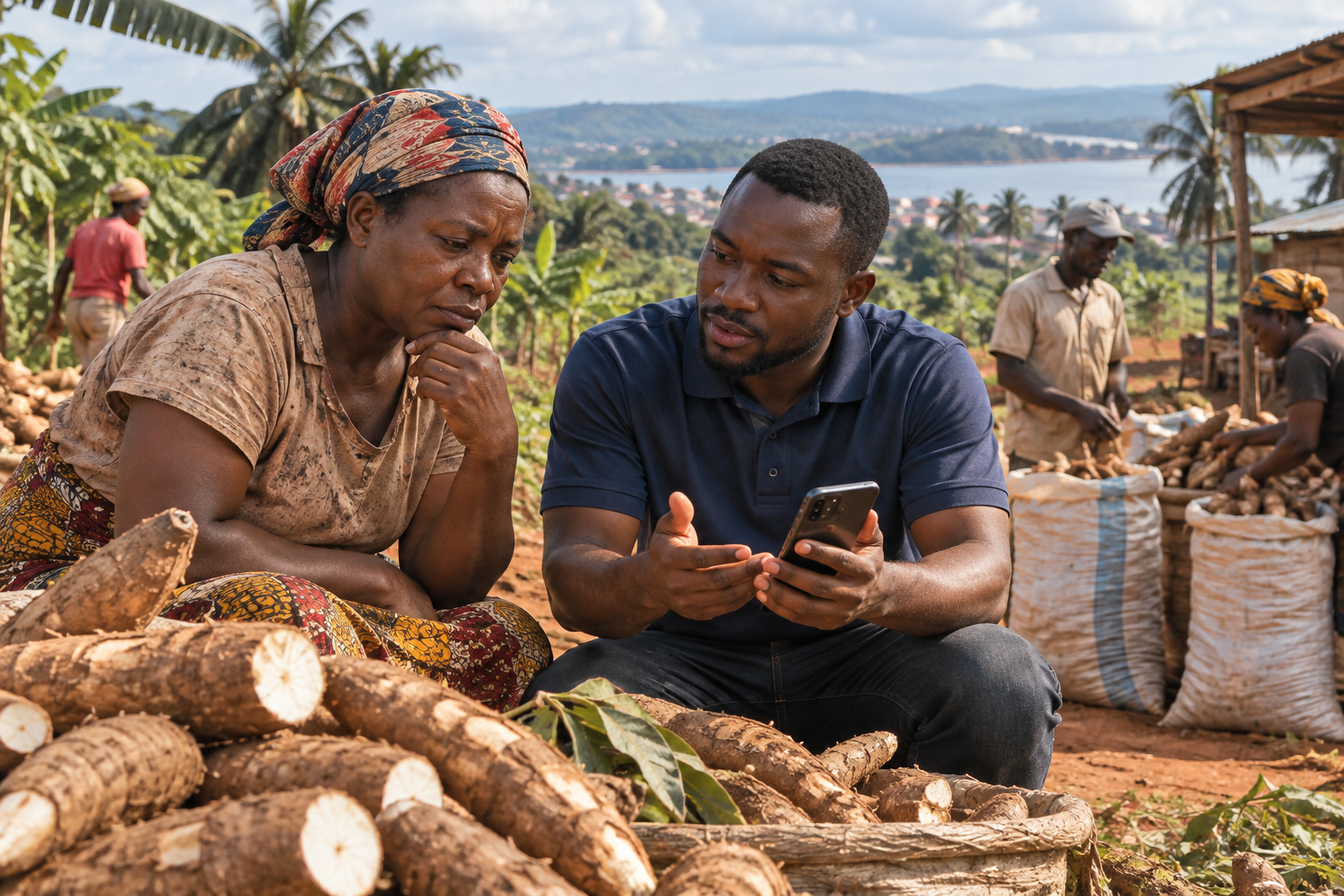
Agricultural Technology Should Begin With a Farmer Problem
For agri-tech to succeed in Liberia, it must move beyond hype and be co-designed with farmers to solve a specific, identified problem, adapting technology to local conditions rather than imposing generic solutions.
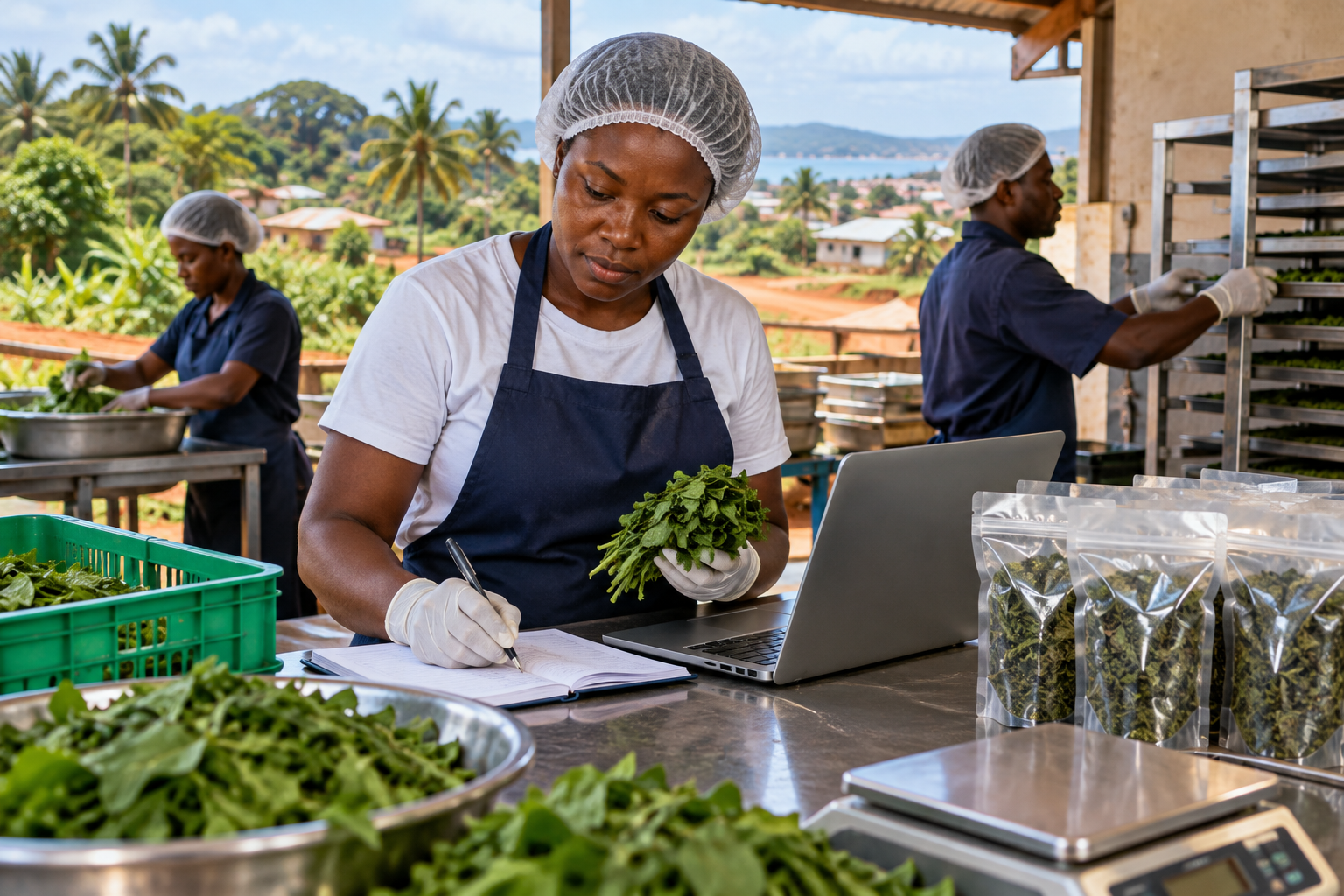
Food Processing Needs Consistent Quality Records
To scale up, Liberian food processors must adopt disciplined record-keeping systems that link technology and workforce training, building the verifiable consistency that commercial buyers demand.
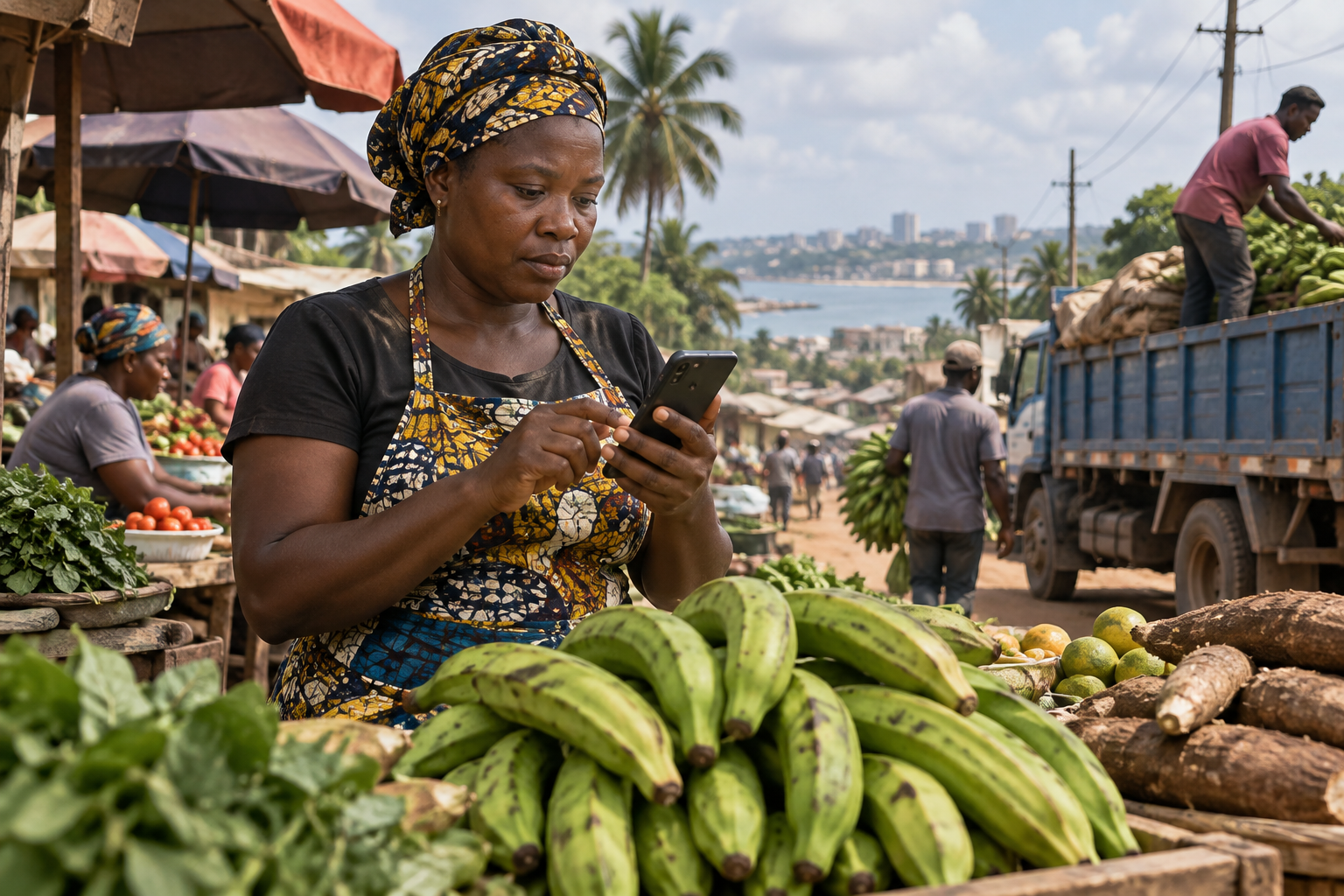
Market Information Needs a Trustworthy Collection Method
While digital connectivity offers a path to empower Liberian farmers with market prices, the true value of such a service will depend entirely on a disciplined and transparent method for collecting that data.