
Boakai to the Diaspora: From Dialogue to Delivery
At a town hall in Maryland, the President asked Liberians abroad to turn goodwill into skills, enterprise and investment — and to help the Government build better data on who they are.

Official briefing. Summarises claims made by official sources. Claims are attributed and have not been independently audited unless stated.
Official briefing. This summary is based on an Executive Mansion press release dated September 29, 2026. Figures and characterisations attributed to the President are the Government's own; Executive Tea Chronicle has not independently audited them.
What was said
Addressing a Presidential Town Hall with Liberians from the Washington, D.C., Maryland and Virginia area at the Harvest InterContinental Church in Olney, Maryland, President Joseph N. Boakai described the Diaspora as an important partner in national development and urged Liberians abroad to move beyond dialogue toward practical contributions that produce measurable results.
“The Diaspora is not outside Liberia’s development story; it is part of it.” — President Joseph N. Boakai, as quoted by the Executive Mansion
The town hall followed the President's participation in the 2026 Liberia Diaspora Conference, held under the theme “From Dialogue to Delivery: Mobilizing the Global Liberian Diaspora for National Transformation.” According to the release, the 2026 conference places greater emphasis on investment, innovation, skills and measurable development outcomes than the 2025 edition, which focused on sustained dialogue.
The specific ask: data
The most concrete request was for Liberians abroad to respond to Embassy and Consulate efforts to improve information on the Diaspora. The President said better data would help national planning by identifying the skills, professions and networks available abroad and matching them with opportunities at home.
“Accurate diaspora data can help match doctors, engineers, educators, entrepreneurs, researchers and other professionals with opportunities to serve Liberia.”
Official claims cited at the town hall
- Growth: 4.0 percent in 2024 and 5.1 percent in 2025. (The World Bank's Liberia page, reviewed October 3, 2026, also reports 5.1 percent growth for 2025.)
- Inflation: a decline to about four percent by December 2025. (This is a point-in-time figure; the World Bank reports annual inflation of 8.5 percent for 2025. The two measures are different — see our explainer in this edition.)
- Revenue: domestic revenue collections surpassed US$1 billion in September 2026, compared with approximately US$612 million in 2023.
- Roads: dedication of the 81-kilometre Gbarnga–Salayea Road in July 2026, and groundbreaking for the Salayea–Konia and Zorzor–Yeala corridors, supported by US$73.8 million from Arab development partners.
Analysis: why the data request matters most
Editorial analysis by Executive Tea Chronicle.
Diaspora engagement has often stalled at the level of conferences. A working skills registry would be different: it creates something measurable. If the Administration publishes how many professionals register, which sectors they cover and how many are matched to real postings, the Diaspora agenda acquires the kind of evidence that the "dialogue to delivery" theme promises. We will follow that number.
Read the full statement at the source link below.
Related reading

Investor Confidence Begins With Verifiable Information
To attract serious capital, Liberia must make its investment process more transparent; a public portal with verifiable project data, inspired by Rwanda's digital agenda, could be the key to building investor confidence.
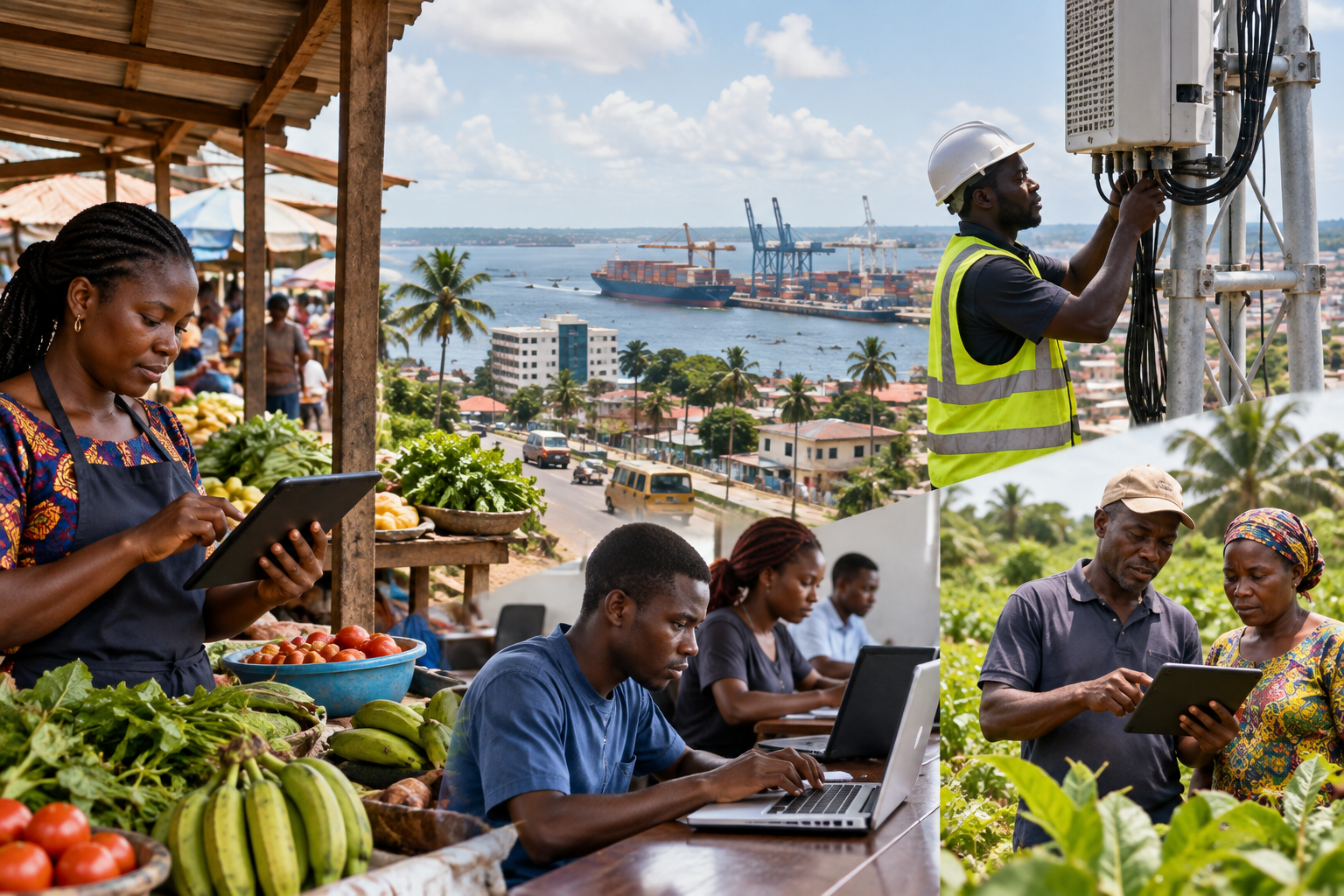
Broadband Should Be Evaluated as Economic Infrastructure
To unlock durable growth, Liberia must evaluate broadband not as a consumer utility but as strategic economic infrastructure, prioritizing productive hubs and measurable business outcomes based on regional models.
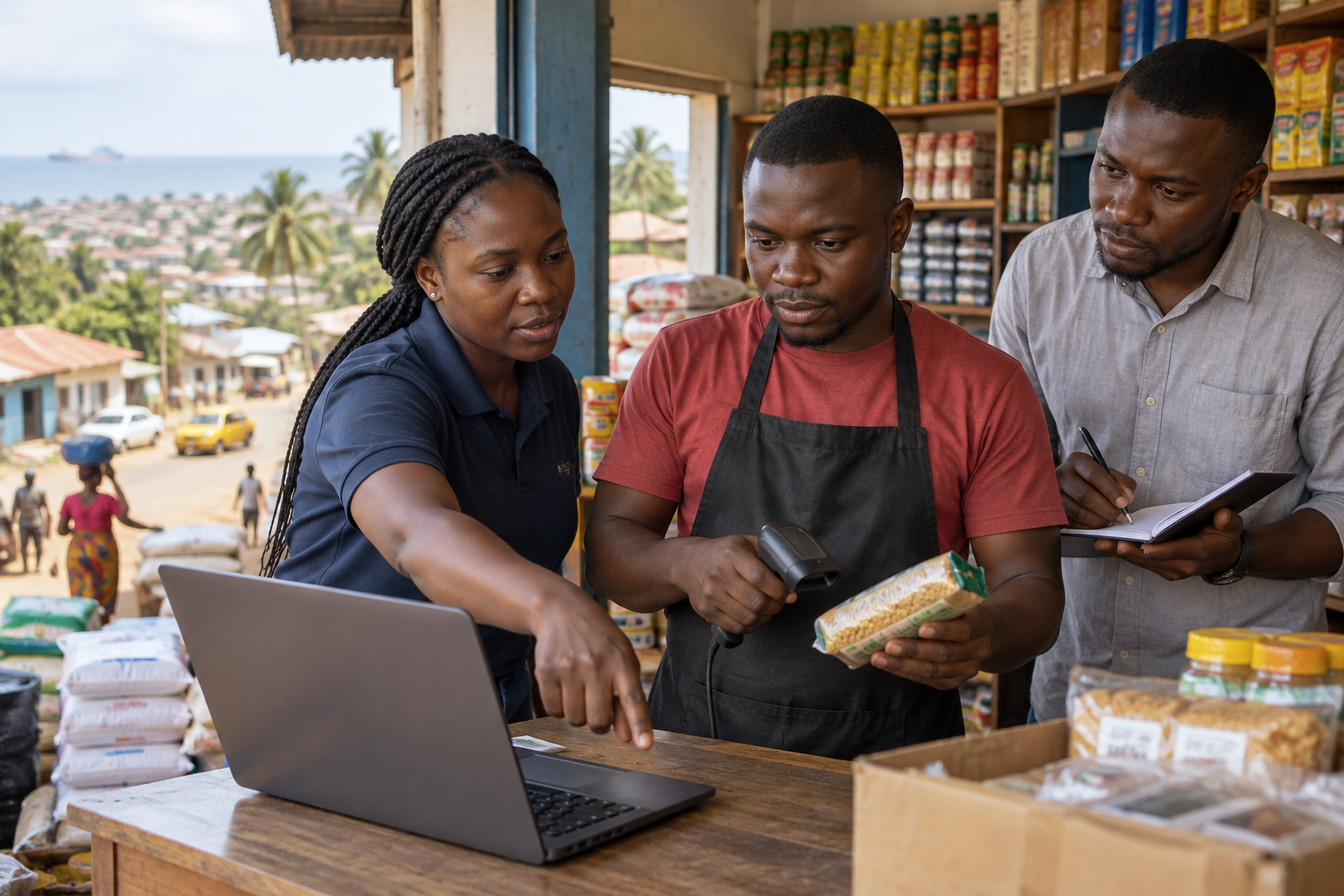
Small Businesses Need Technology They Can Afford to Maintain
Supporting Liberia's small businesses requires more than just software; it demands an integrated approach that pairs affordable technology with financial access and hands-on training to solve real operational problems.