
Agricultural Technology Should Begin With a Farmer Problem
For agri-tech to succeed in Liberia, it must move beyond hype and be co-designed with farmers to solve a specific, identified problem, adapting technology to local conditions rather than imposing generic solutions.
Editorial analysis. This piece reflects Executive Tea Chronicle's interpretation and editorial mission, not an official government position.
Analysis. Drafted from cited World Bank sources for editor review; Liberia proposals are the magazine's analysis, not source findings.
Source scope: the cited sources describe historical project designs and financing announcements (2021–2024), not verified current implementation outcomes. No new Liberia-specific factual evidence was checked for this draft; Liberia scenarios are hypothetical.
The promise of a digital revolution in agriculture is a recurring theme in development analysis. For a country like Liberia, where strengthening the food system may be a national priority, the idea of using technology to boost yields, streamline supply chains, and increase farmer incomes is understandably attractive. A common vision presented is one of farmers using smartphones to access real-time data and transform their operations. Yet, this vision can overlook a fundamental truth: technology is only as good as the problem it solves for its intended user.
A tool that is not understood, not trusted, or not relevant to a farmer’s daily struggles can become a costly distraction. Before discussing agricultural technology, or “agri-tech,” it is essential to first identify farmers’ problems. The most effective digital interventions begin not with a predetermined technology, but with an understanding of the context in which farmers work and the specific factors that make their operations difficult, unprofitable, or uncertain.
A 2024 financing announcement in West Africa provides a useful model, not for a specific technology, but for an inclusive design approach. It highlights a principle that could guide thinking on modernization in Liberia: focusing on bringing excluded communities into the digital fold by addressing their needs.
What the comparison shows
In January 2024, the World Bank announced its approval of a project in Burkina Faso that offers a lesson in strategic design. According to a press release from that month, the $150 million Digital Acceleration Project was approved with financing from the International Development Association (IDA). Its stated purpose is to improve access to infrastructure, public services, and digital skills. The project’s design explicitly targets vulnerable populations, including rural communities described as having been excluded from essential services.
The announcement stated that the project aims to provide these groups with economic opportunities and access to services in sectors like education and health. By building on previous digital initiatives, the operation intends to expand broadband connectivity and develop digital public services, particularly in areas vulnerable to climate shocks. A key takeaway for any country considering similar programmes is the project’s foundational premise: that digital transformation should actively include those on the margins. It frames technology as a bridge to opportunity, not as an end in itself.
Analysis: applying the lesson in Liberia
How could this principle be applied to agriculture in the Liberian context? It would suggest starting small and focusing on a single, well-defined problem identified by farmers themselves. Rather than designing a complex, nationwide platform from the outset, a practical approach could be to pilot a solution for a specific group of producers centered on one challenge.
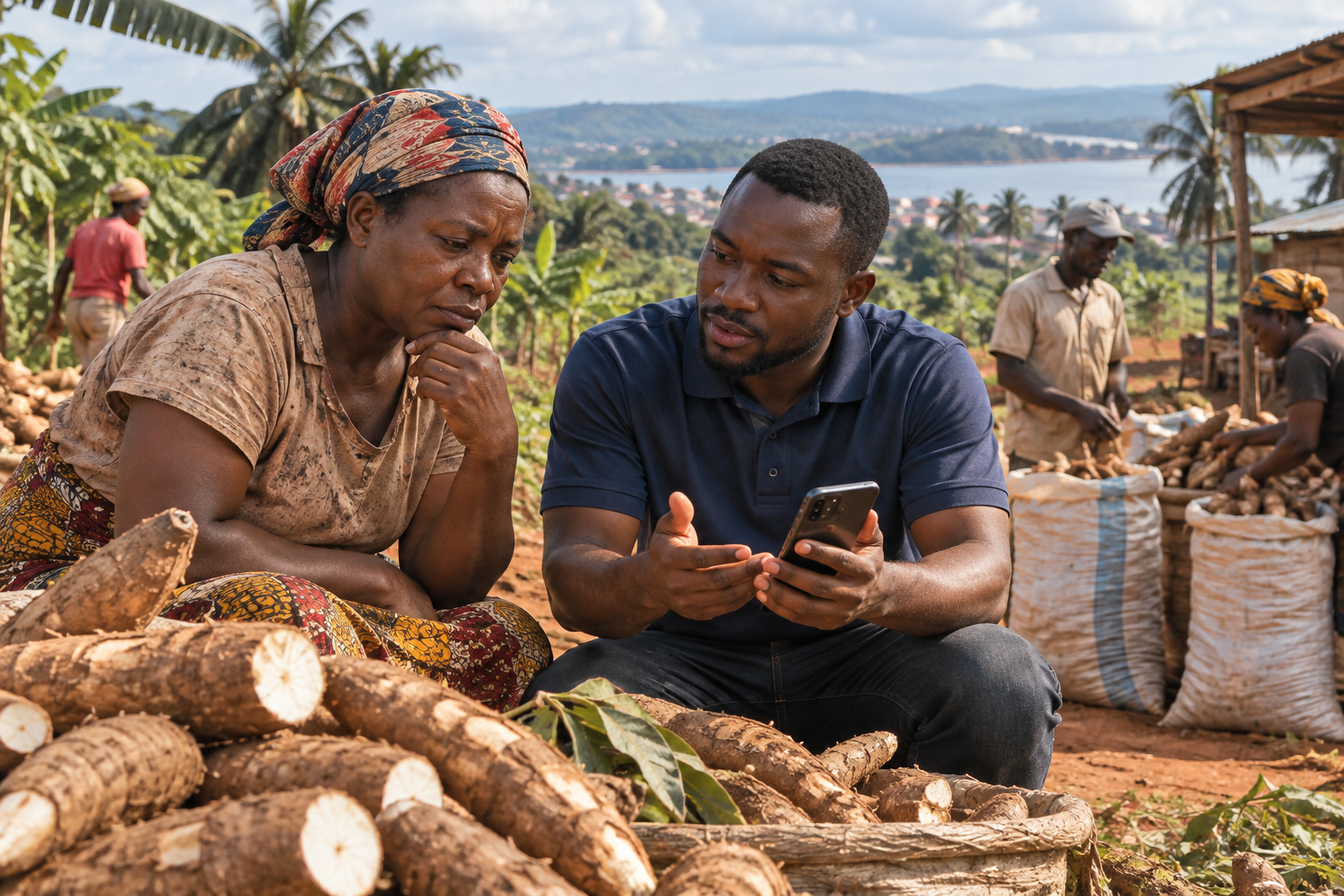
In a hypothetical example, a common challenge for smallholder farmers is price uncertainty. A cassava producer may sell produce to a middleman with little information about the going rate in a major urban market, putting the farmer at a significant disadvantage. A pilot project could aim to solve this specific problem. The solution might not require a smartphone app; it could be a simple service delivered via USSD or SMS, accessible on many basic feature phones. The design process would be critical, requiring developers and agricultural specialists to understand how farmers currently get information—whether through radio, word of mouth, or phone calls—and what sources they trust. For instance, if a farmer could text a code and receive the day’s average wholesale price for a bag of cassava, the tool’s value would depend entirely on its reliability. By focusing on a single crop and a limited geographic area, a hypothetical project team could work to ensure the accuracy of the data, which is paramount for building user trust.
Tradeoffs and implementation risks
This farmer-first approach is not without challenges. The most significant risk is a failure of trust. If a farmer uses a price information service and later finds the data was inaccurate, they are unlikely to use it again. This places an enormous burden on ensuring the information is constantly updated and verified by credible sources. Agricultural specialists must be part of the process, not just as advisors, but as guarantors of the tool’s technical and market integrity.
Implementation also requires confronting practical hurdles. Planners would need to determine who pays for messages, whether the service can be offered in local languages, and if the interface is simple enough for users with varying levels of literacy. Furthermore, any digital project would have to assess infrastructure, as a tool is rendered ineffective in areas with poor or nonexistent network coverage. A pilot project must assess these conditions to determine if a proposed solution is viable. Sustainability is another key concern, as a project that relies on initial grant funding can collapse if there is no plan for long-term operational management.
What global competence looks like here
Embracing a digitally-enabled economy does not mean copying and pasting solutions from elsewhere. Global competence, in this context, could be defined as the ability to adapt the *principles* of successful innovation to a country’s specific circumstances. The lesson from the World Bank’s project design in Burkina Faso is not about building the same program, but about potentially adopting its people-centric philosophy.
Applied to Liberia, this would mean recognizing that the most advanced technology is not always the most appropriate. A simple, reliable tool that solves a real problem could be more valuable than a sophisticated application that is not widely adopted. Such an approach would prioritize co-design, where farmers are treated as partners and experts in their own experience. It would also require a commitment to rigorous testing and verification to ensure that any data provided is accurate, timely, and actionable.
Bottom line
If Liberia is to harness technology for agricultural development, the focus must shift from the digital tool to the farmer’s problem. The value of an application is not measured by its features, but by whether a farmer can understand it, trust its information, and use it to make a better decision during the production and sales cycle. By starting with a specific, farmer-identified challenge and building a targeted, reliable solution, Liberia can work to ensure that innovation empowers producers rather than leaving them behind. That is the foundation of a modern and inclusive agricultural sector.
Sources
- Burkina Faso: Scaled-up Support for Digital Transformation — World Bank, published 2024-01-23
Related reading
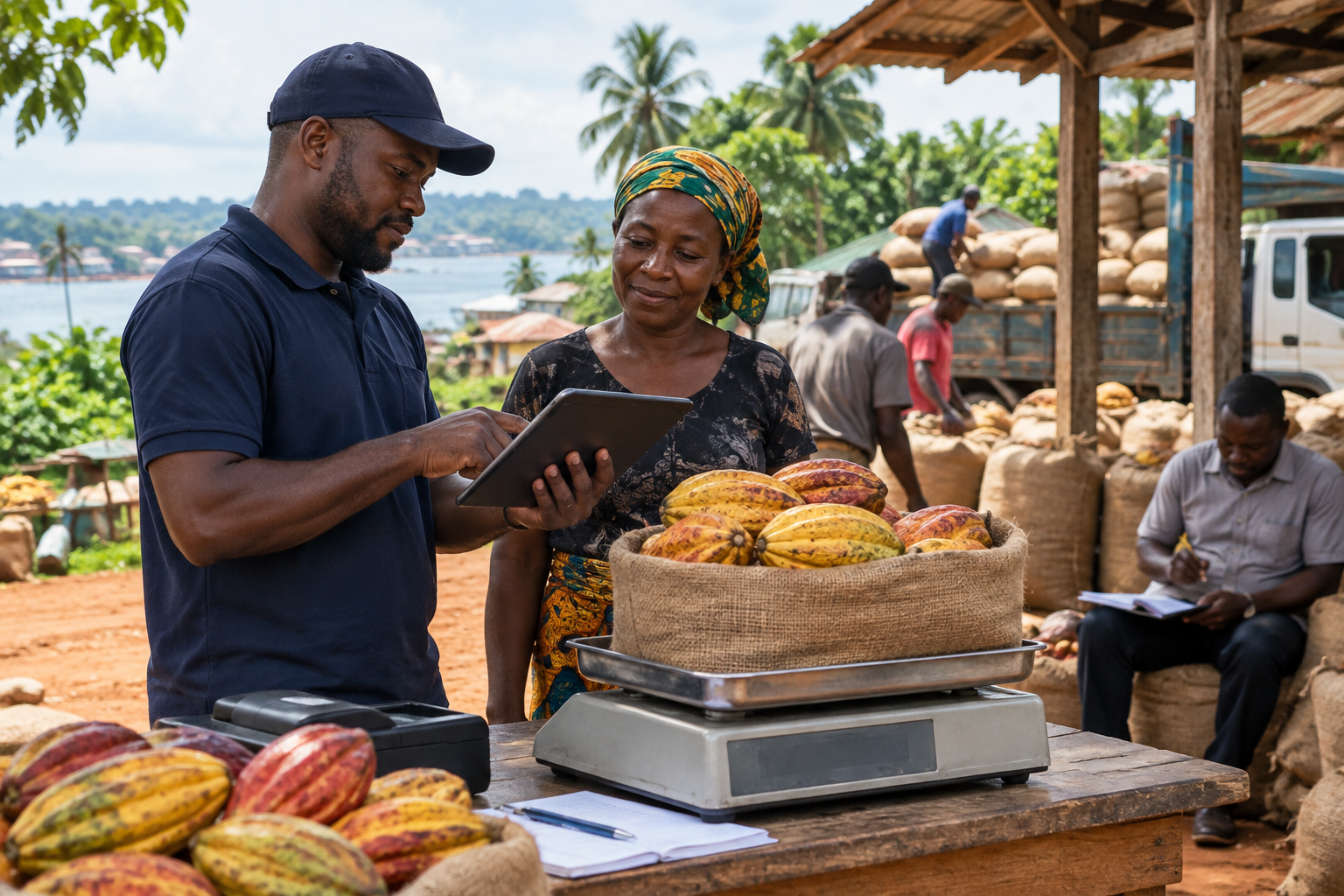
Supply Chain Records Can Make Trade More Dependable
Applying the principles of Kenya's national digital strategy to Liberian agriculture could create a system of shared records, reducing disputes and making trade more dependable for farmers and buyers alike.
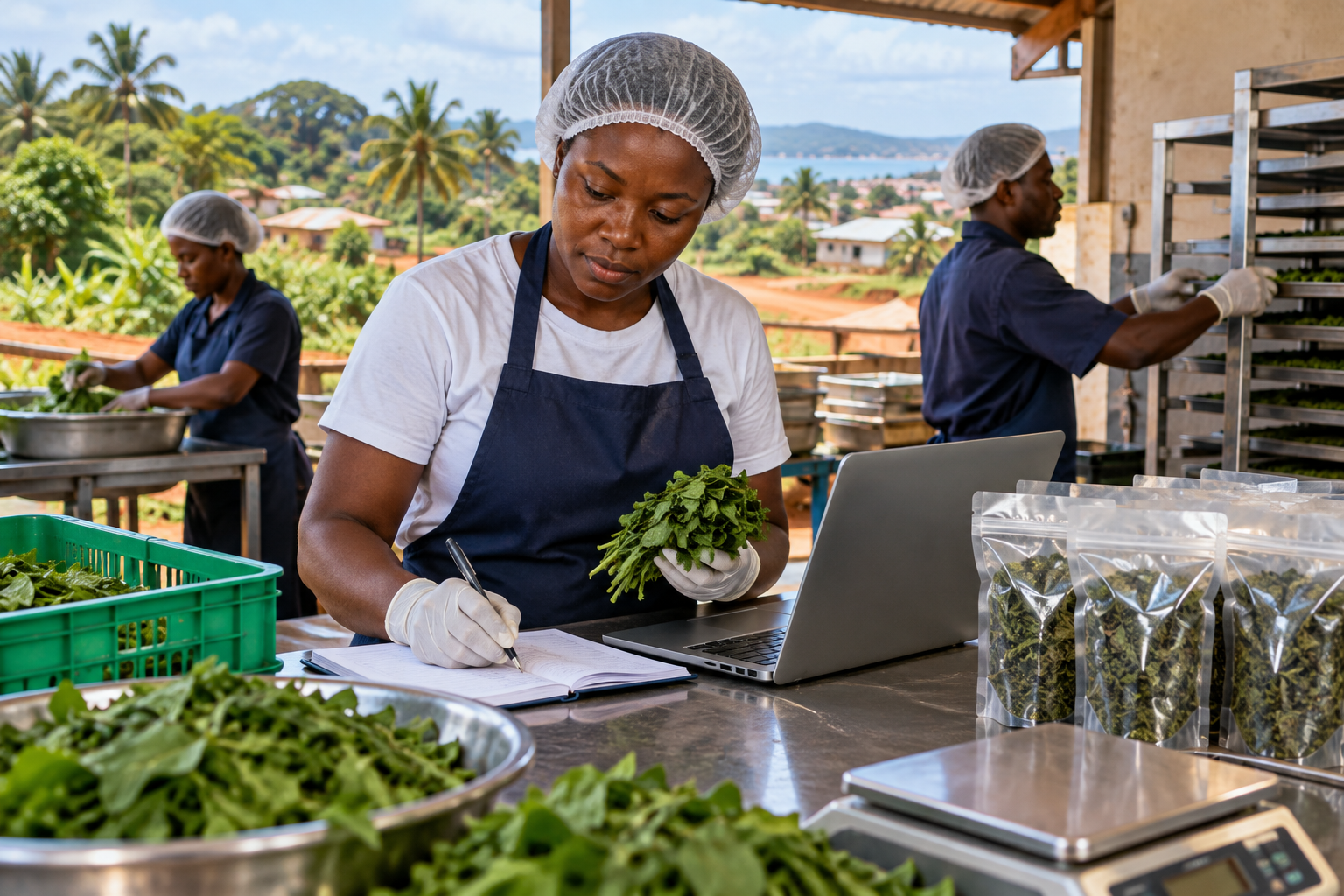
Food Processing Needs Consistent Quality Records
To scale up, Liberian food processors must adopt disciplined record-keeping systems that link technology and workforce training, building the verifiable consistency that commercial buyers demand.
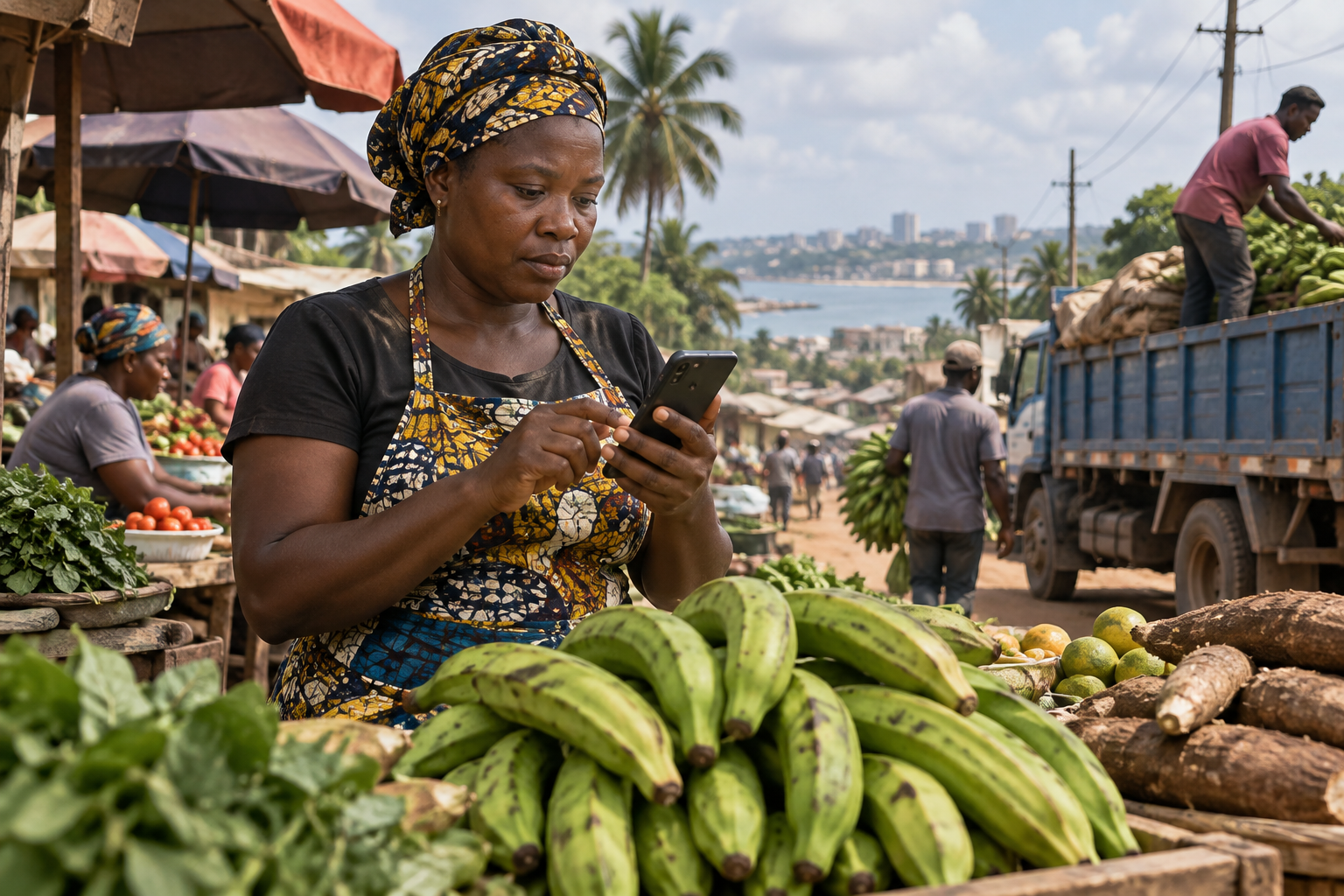
Market Information Needs a Trustworthy Collection Method
While digital connectivity offers a path to empower Liberian farmers with market prices, the true value of such a service will depend entirely on a disciplined and transparent method for collecting that data.