
Search
Search the magazine
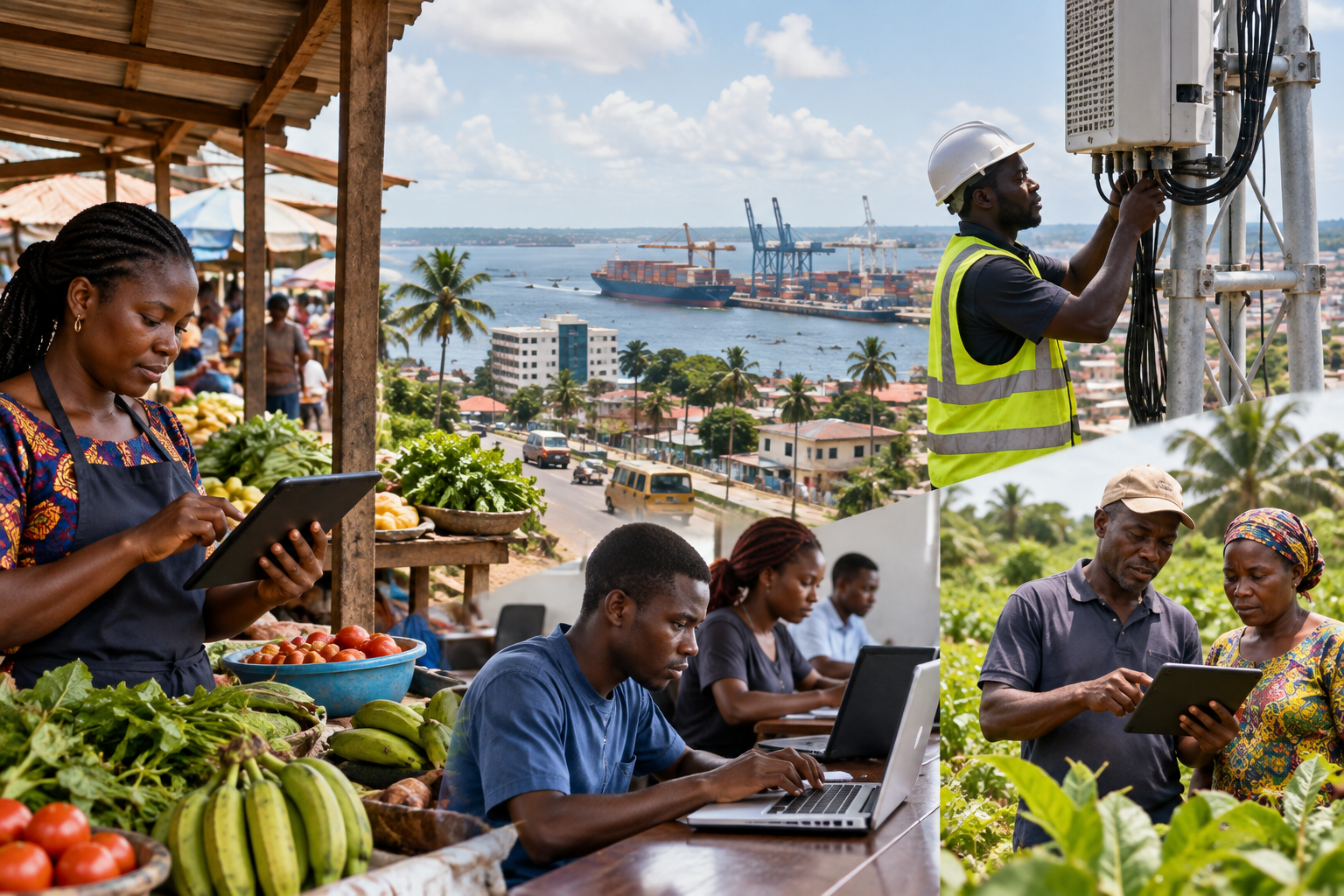
Broadband Should Be Evaluated as Economic Infrastructure
To unlock durable growth, Liberia must evaluate broadband not as a consumer utility but as strategic economic infrastructure, prioritizing productive hubs and measurable business outcomes based on regional models.

A Project Pipeline Is More Useful Than an Opportunity List
To attract serious global investment, Liberia must move beyond simple opportunity lists and build a transparent, data-rich project pipeline that makes commercial viability and known risks clear from the start.
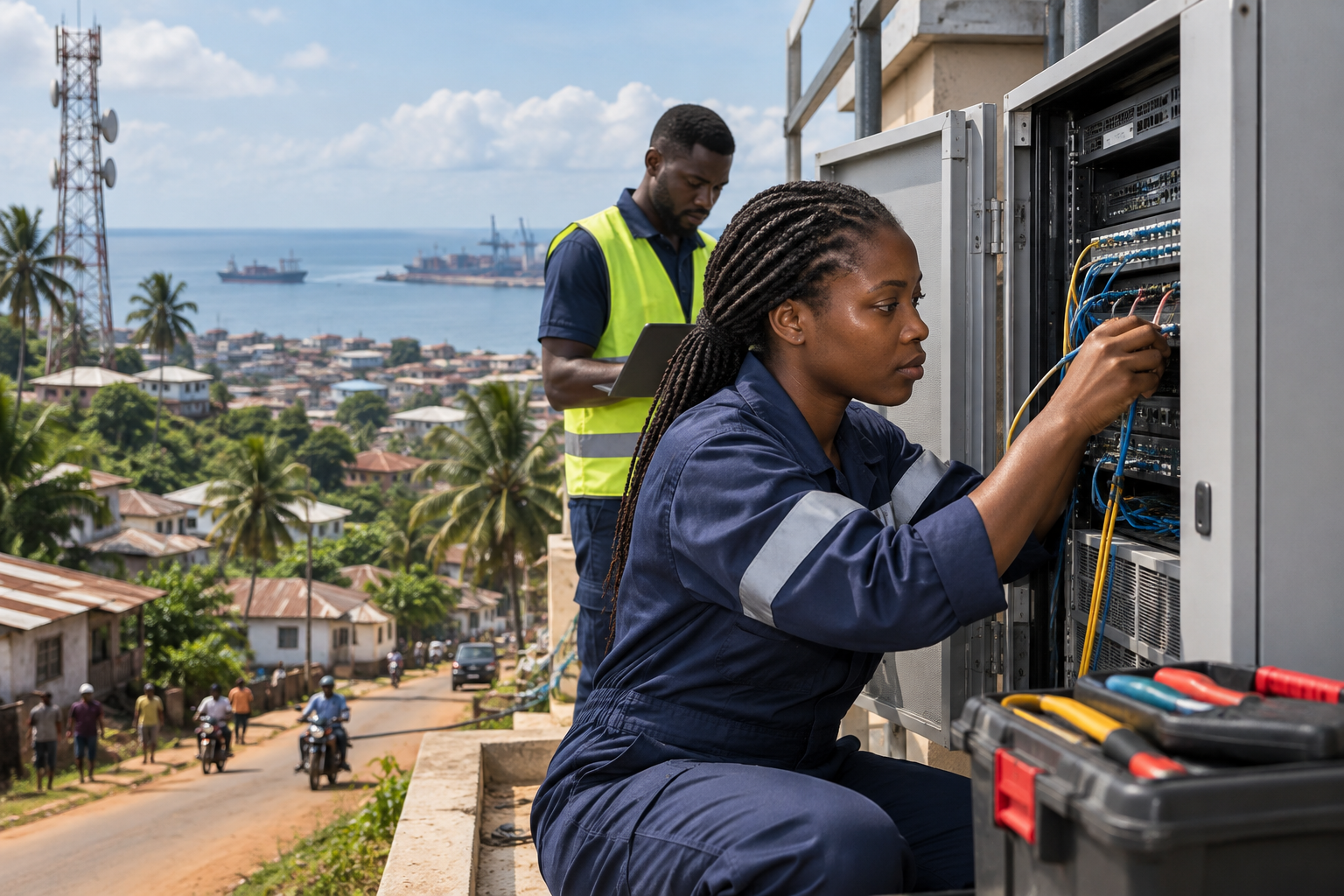
Digital Investment Needs a Maintenance Budget
To ensure Liberia's digital investments are sustainable, public procurement must move beyond initial costs and mandate a realistic, public lifecycle budget for maintenance, staffing, and future replacement.

Technology Projects Should Demonstrate Public Value
Instead of simply launching more digital platforms, Liberia can learn from regional examples to adopt a disciplined, evidence-based approach that ensures technology projects deliver real and sustainable public value.

Artificial Intelligence Needs a Defined Job
To harness artificial intelligence effectively, Liberia must first define its specific job, starting with small, accountable tasks that build capability rather than chasing transformative but ill-defined ambitions.

Procurement Transparency Begins Before a Contract Is Awarded
To ensure public funds deliver real value, procurement transparency must begin with clear, published needs and evaluation criteria, a disciplined lesson for Liberia's development agenda.

Career Guidance Should Be Based on Real Tasks
To bridge the gap between education and employment, Liberia must shift from listing fashionable job titles to providing young people with detailed, task-based information on real career pathways and entry requirements.
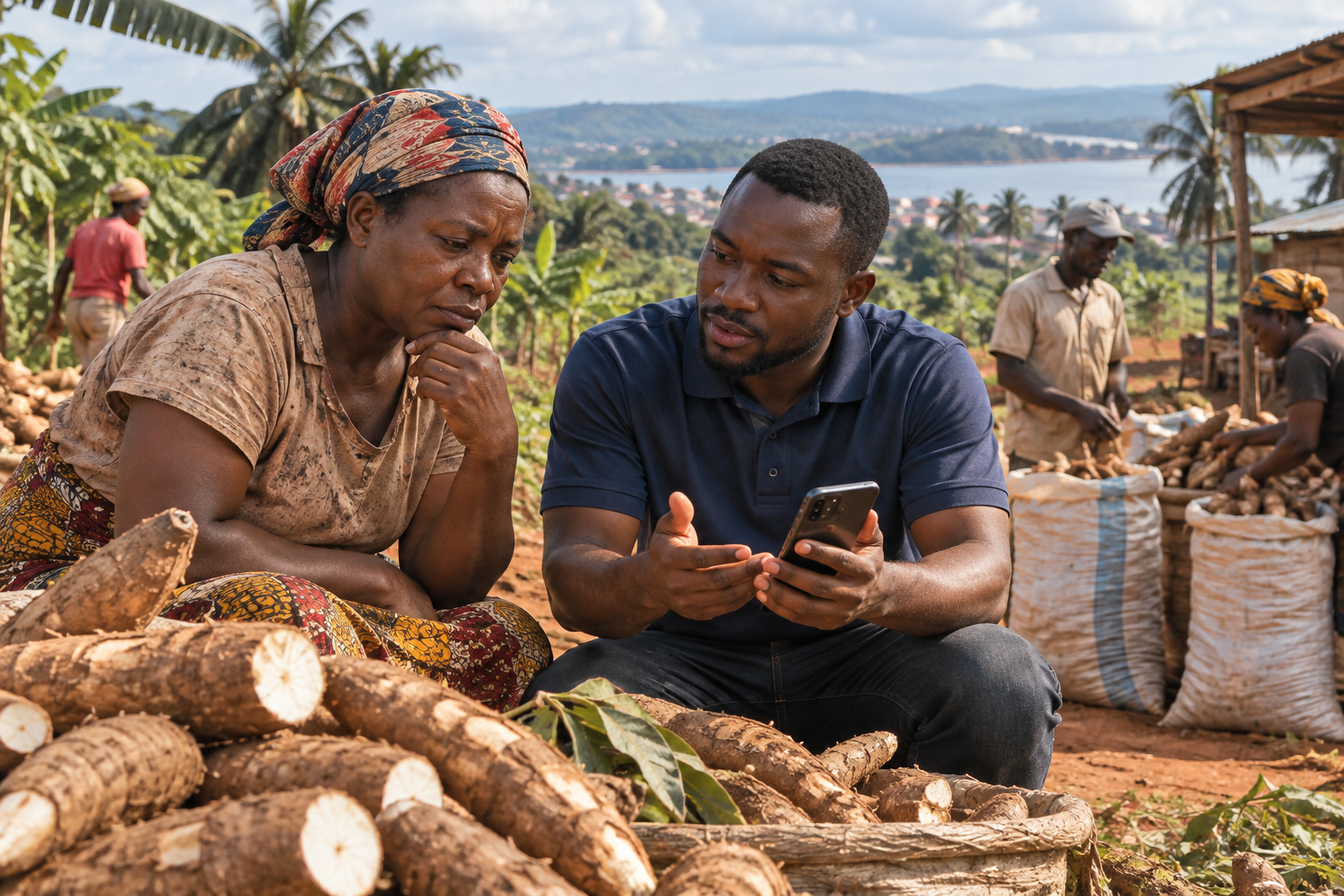
Agricultural Technology Should Begin With a Farmer Problem
For agri-tech to succeed in Liberia, it must move beyond hype and be co-designed with farmers to solve a specific, identified problem, adapting technology to local conditions rather than imposing generic solutions.
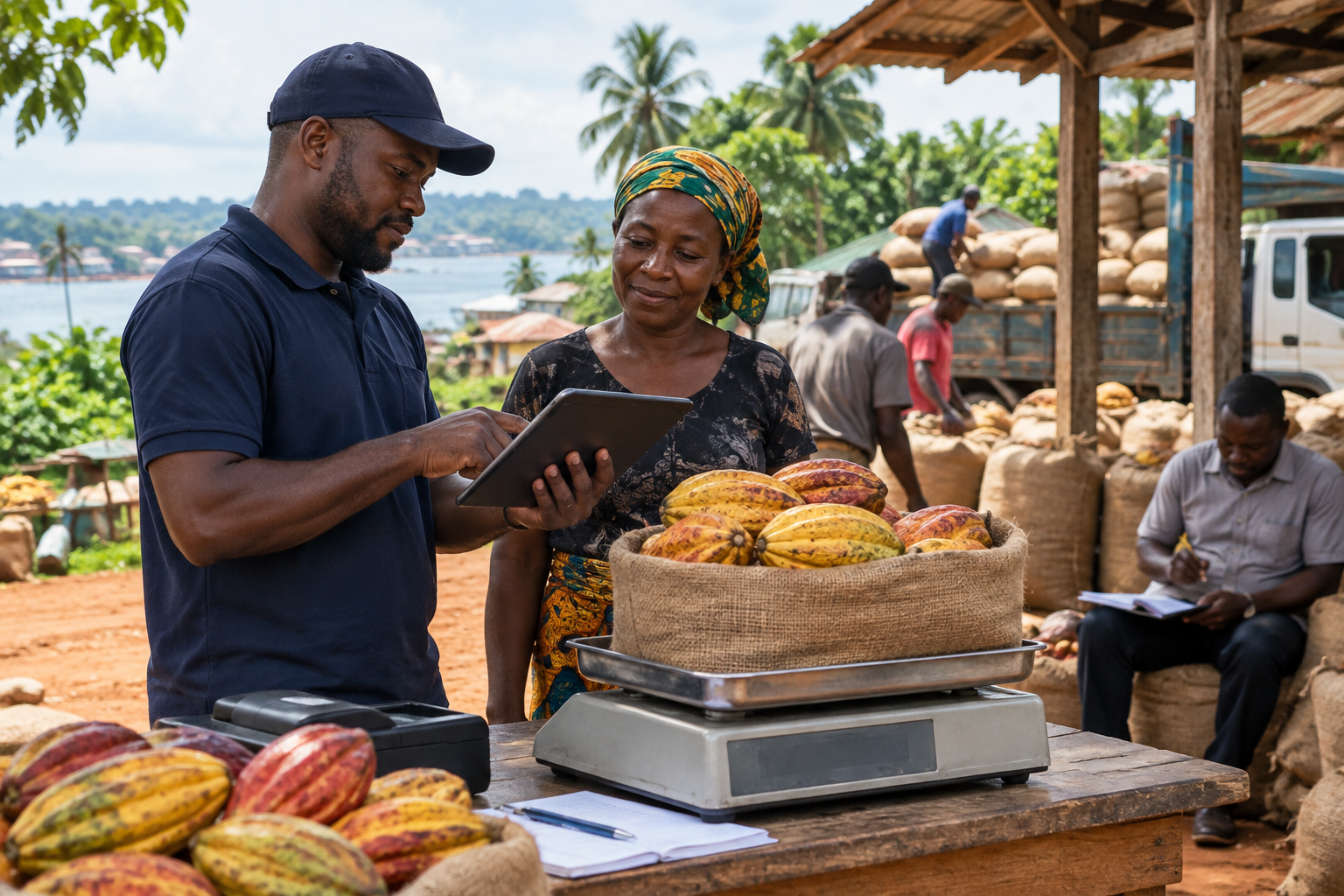
Supply Chain Records Can Make Trade More Dependable
Applying the principles of Kenya's national digital strategy to Liberian agriculture could create a system of shared records, reducing disputes and making trade more dependable for farmers and buyers alike.
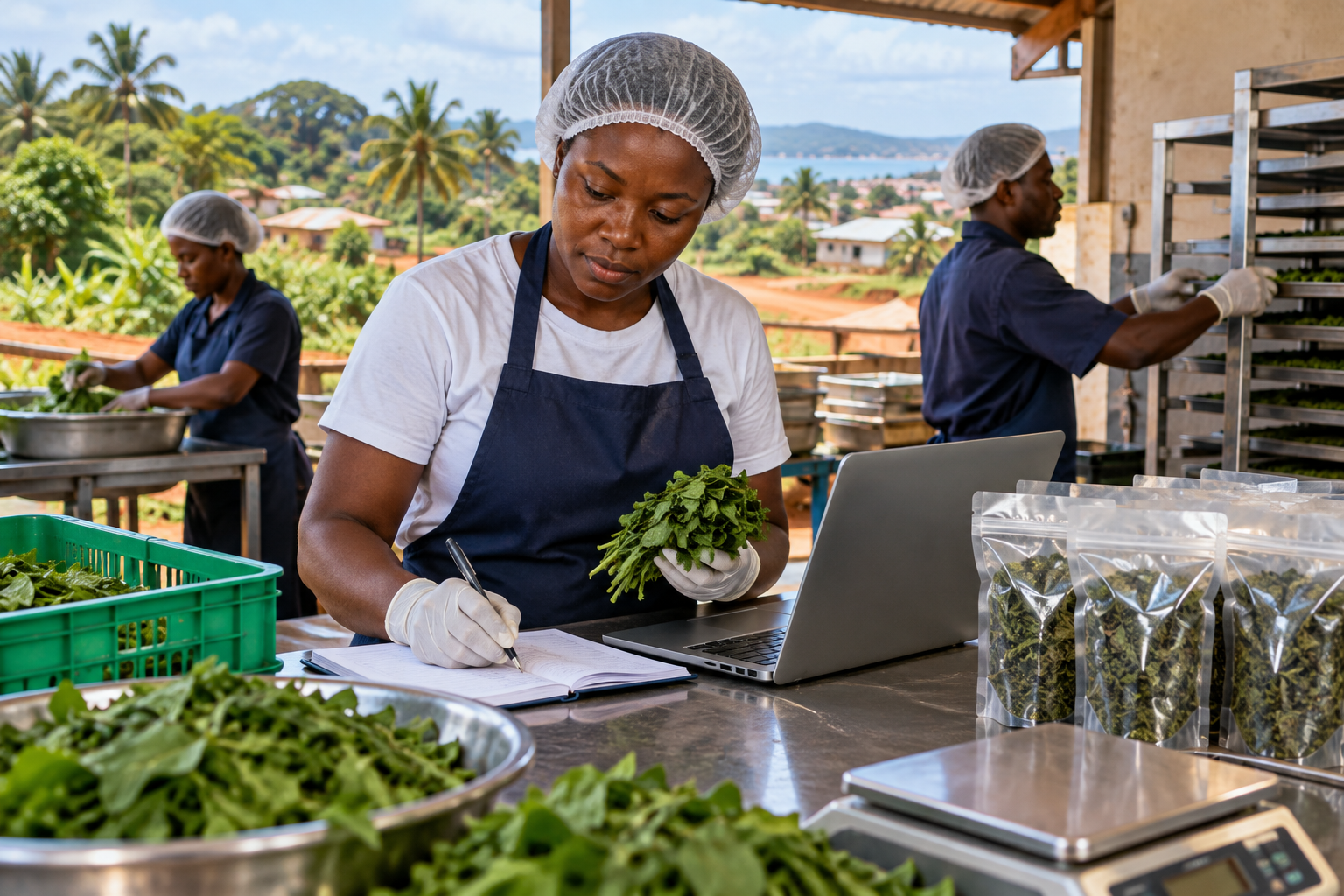
Food Processing Needs Consistent Quality Records
To scale up, Liberian food processors must adopt disciplined record-keeping systems that link technology and workforce training, building the verifiable consistency that commercial buyers demand.
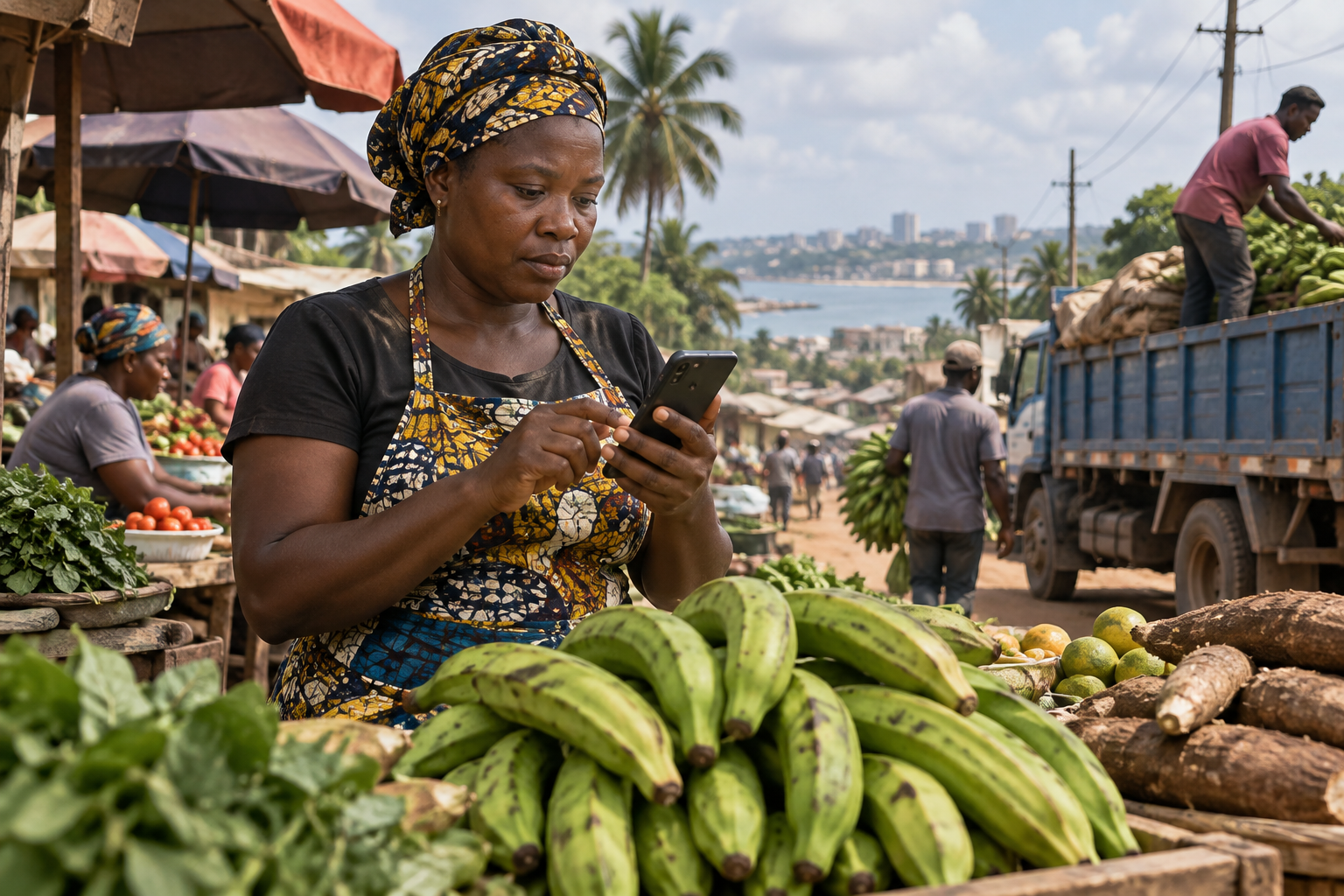
Market Information Needs a Trustworthy Collection Method
While digital connectivity offers a path to empower Liberian farmers with market prices, the true value of such a service will depend entirely on a disciplined and transparent method for collecting that data.
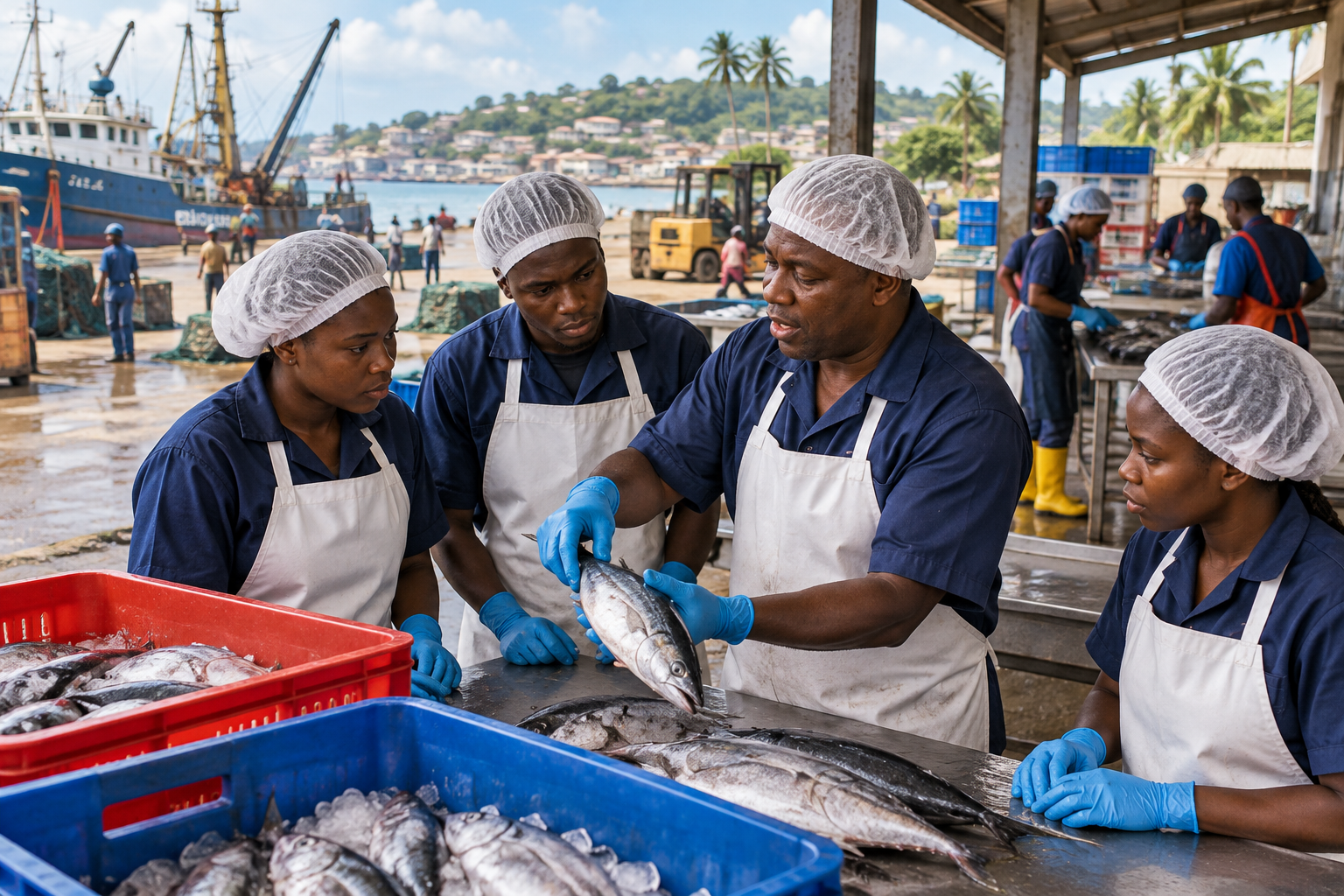
Industrial Training Should Follow Production Needs
A World Bank project design for Burkina Faso illustrates a crucial lesson for Liberia: industrial training must be strategically linked to the specific production needs of local enterprises to build a truly competent workforce.
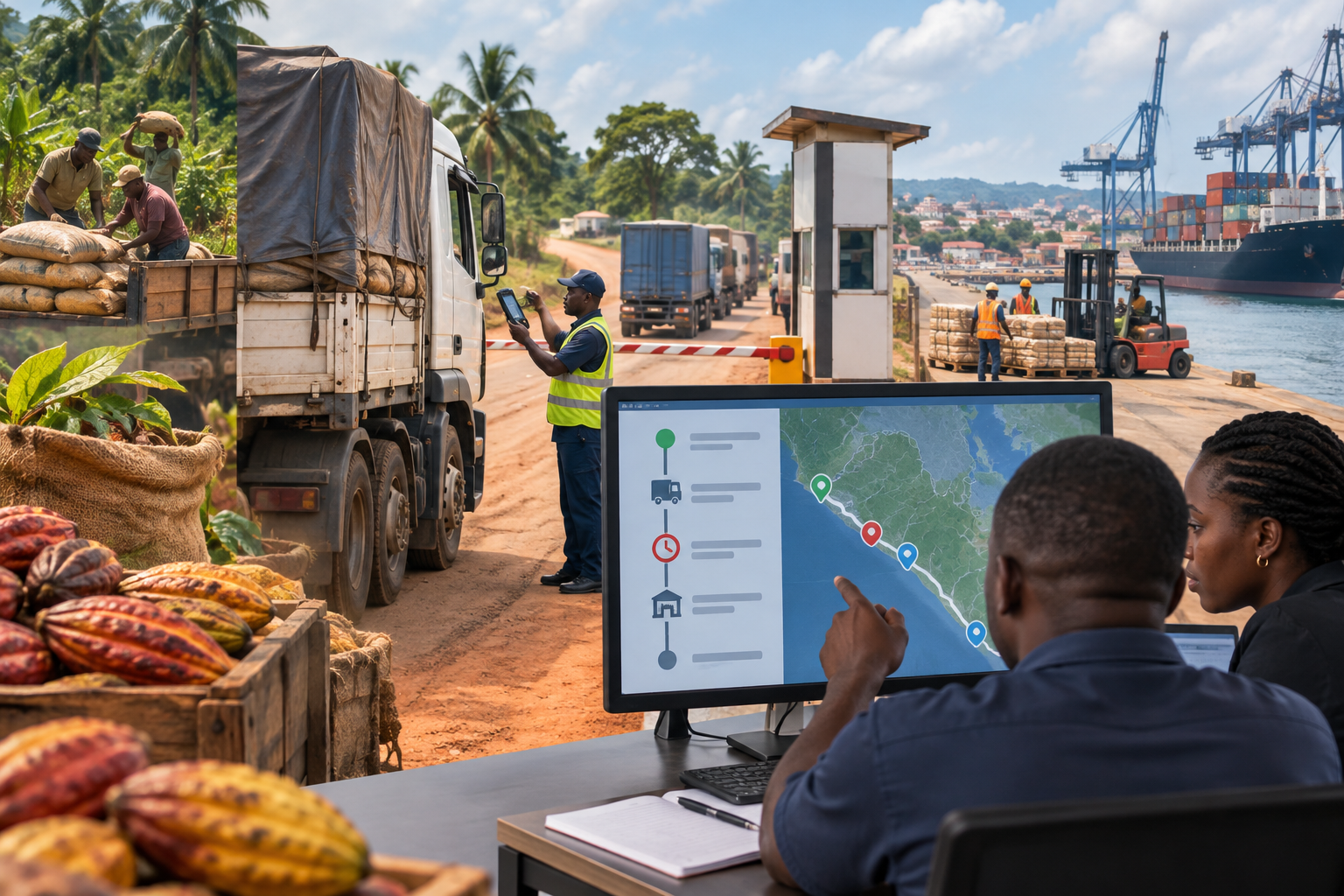
Logistics Technology Should Reveal Where Delays Occur
Inspired by Kenya's digital service agenda, Liberia could build global competitiveness by using a shared logistics tracking system to reveal and resolve the specific choke points that delay the movement of goods.
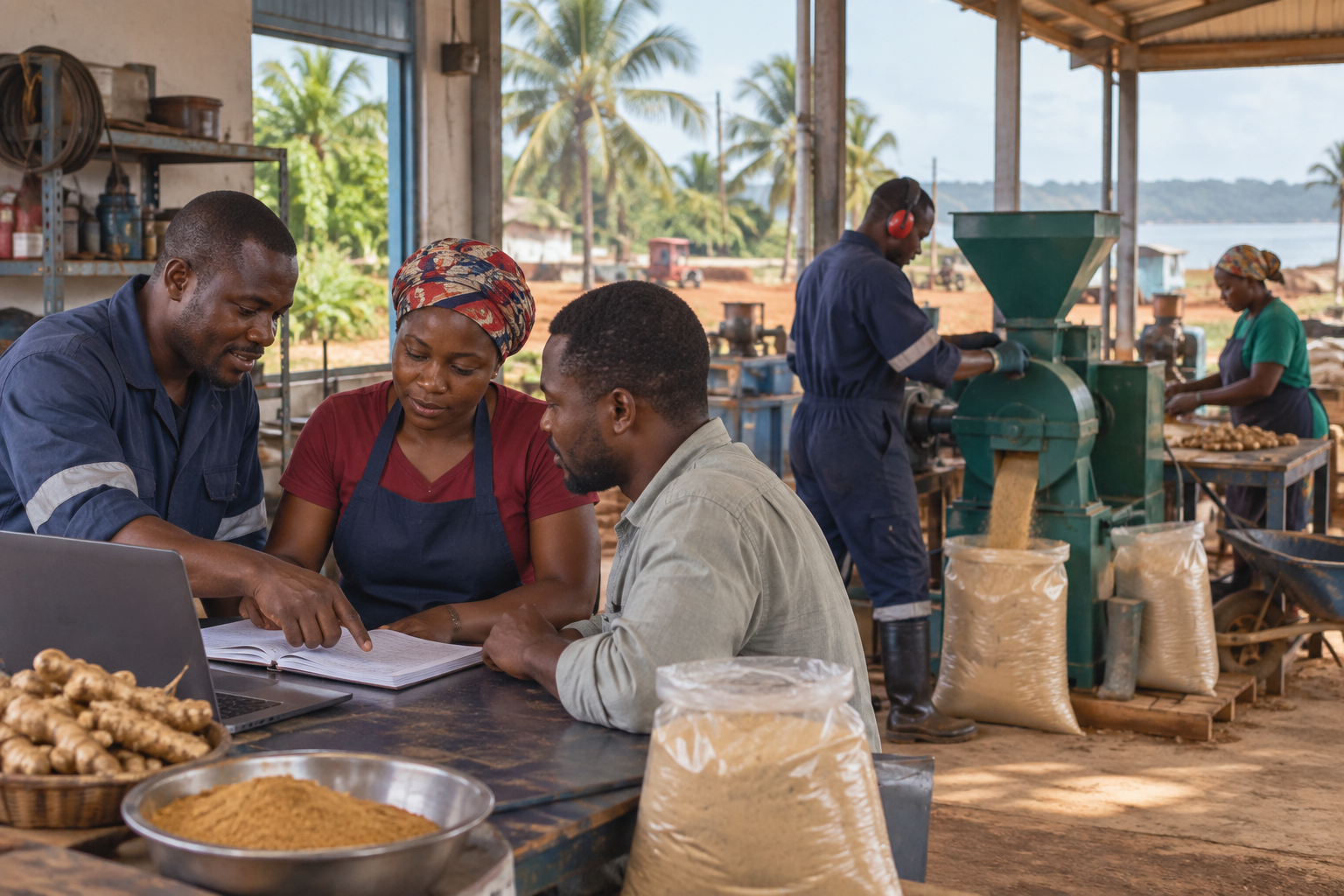
Shared Equipment Requires Clear Operating Rules
While Rwanda's digital strategy offers a useful model, making shared physical facilities work in Liberia depends less on technology and more on establishing clear, commercially-grounded rules for access, maintenance, and liability.
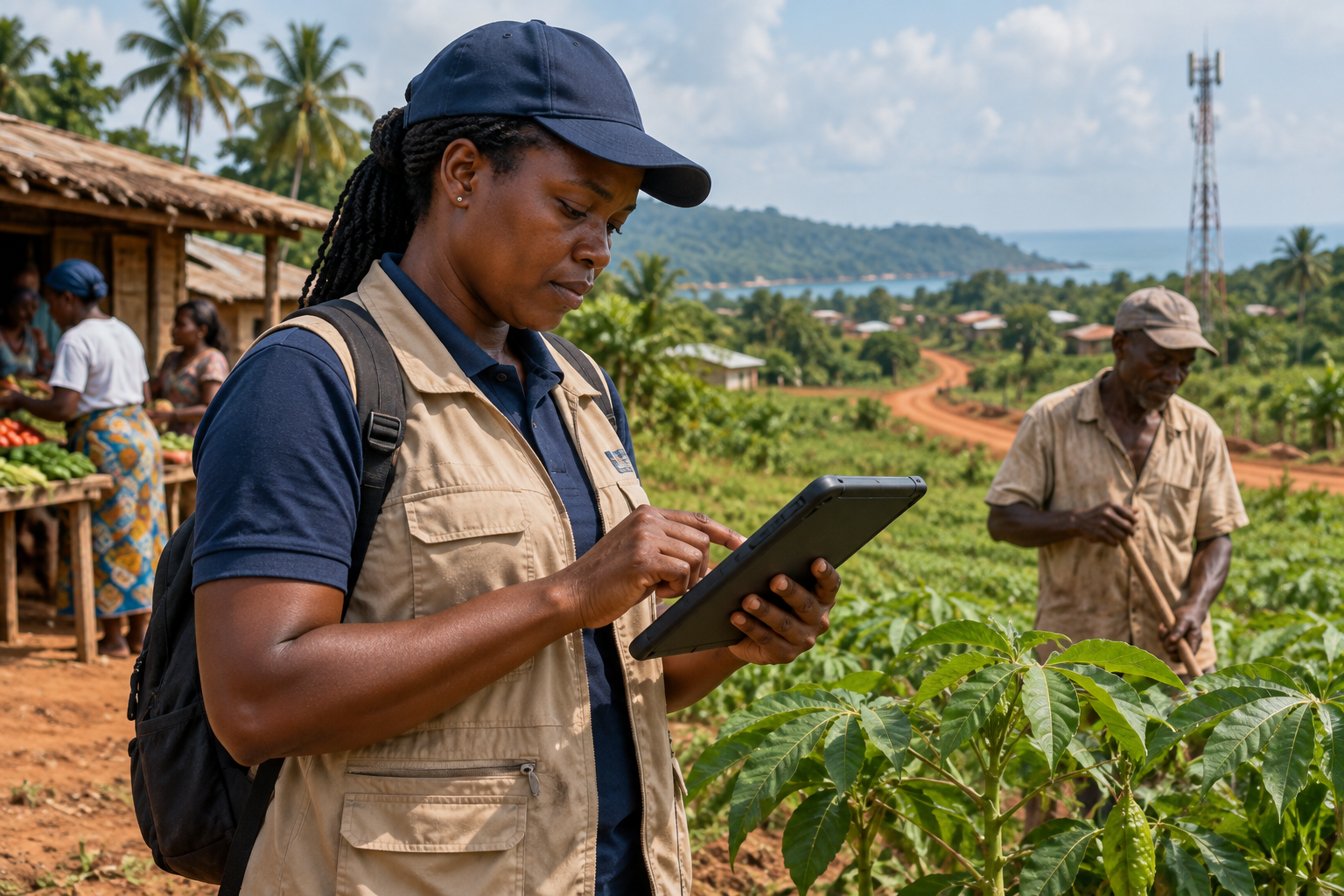
Rural Services Should Remain Usable Without Constant Internet
For Liberia's digital transformation to benefit the rural economy, public and commercial services must be designed to function reliably through intermittent connectivity, not depend on an always-on internet connection.
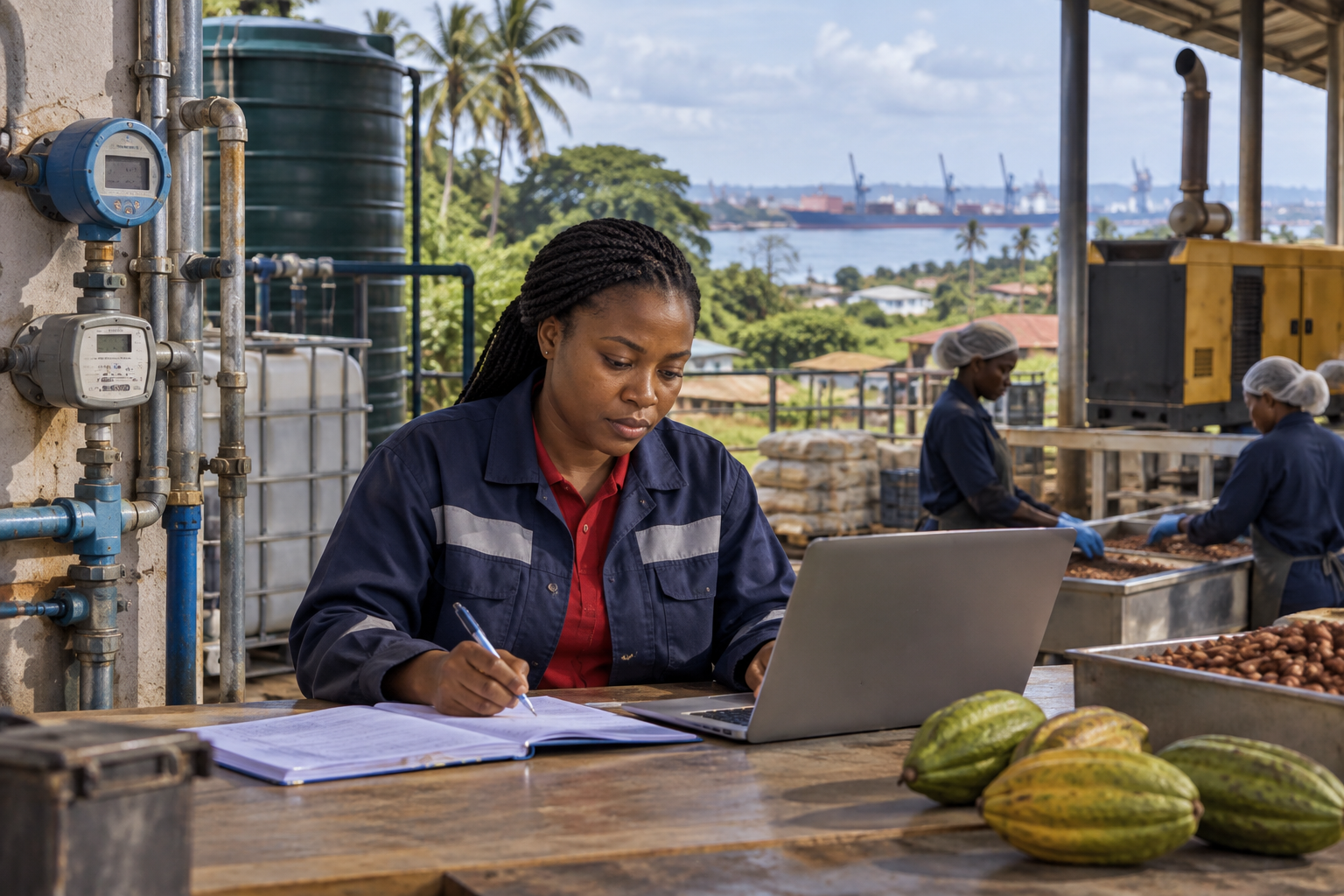
Environmental Monitoring Should Support Better Operations
Inspired by Ghana's digital agenda, Liberian businesses can reframe environmental monitoring as data-driven operational management, using simple metrics to improve efficiency, cut costs, and build credibility with partners.

Partnership Agreements Should Include Knowledge Transfer
Inspired by Ghana's digital investment, Liberia must demand that development partnerships move beyond delivering systems to transferring the knowledge required for genuine, long-term ownership and sustainability.
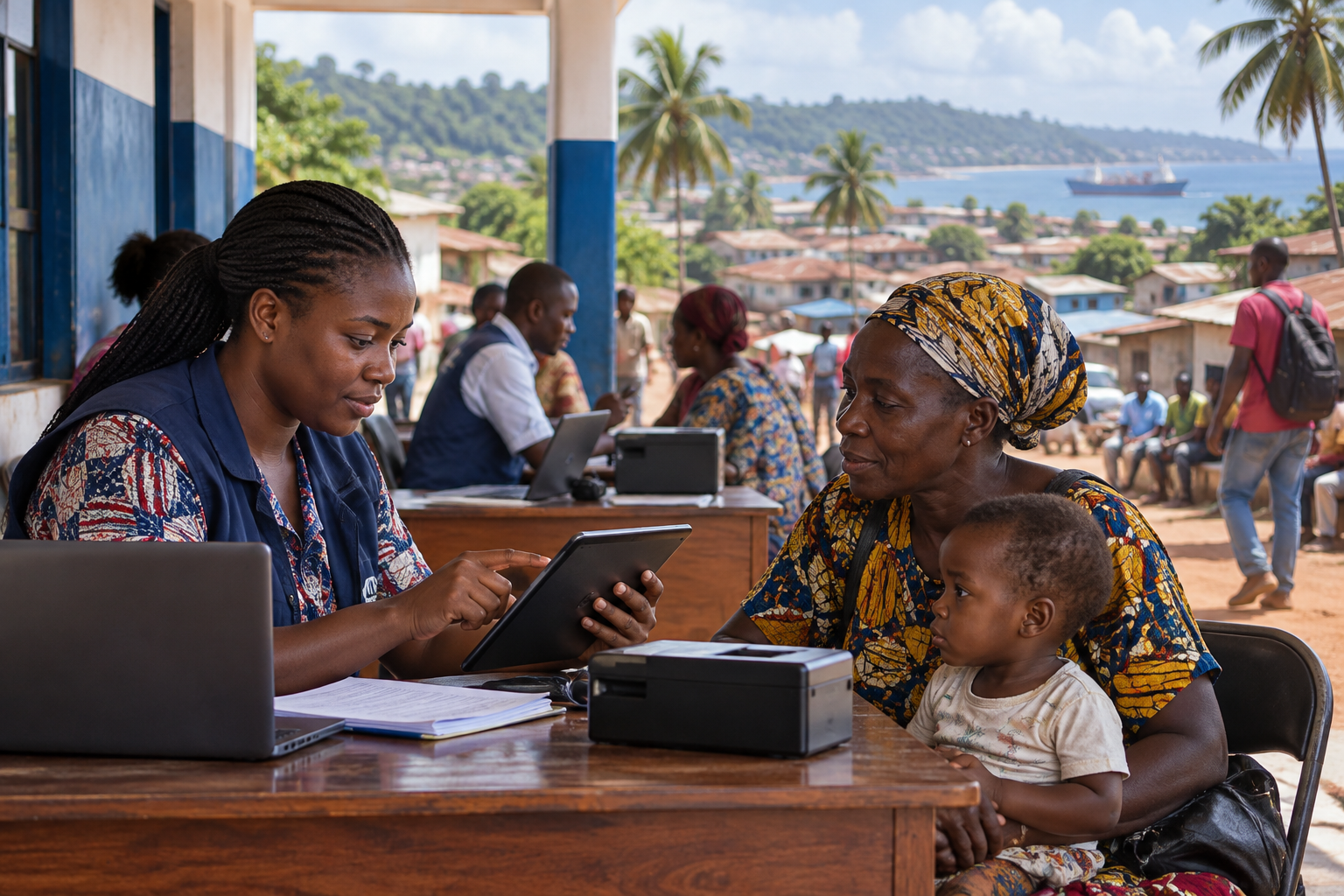
Fragility Lessons Should Be Adapted With Care
Burkina Faso's new plan to use digital tools for displaced populations offers a vital, but not complete, lesson for Liberia on how to design public services that are inclusive, resilient, and built for challenging realities.
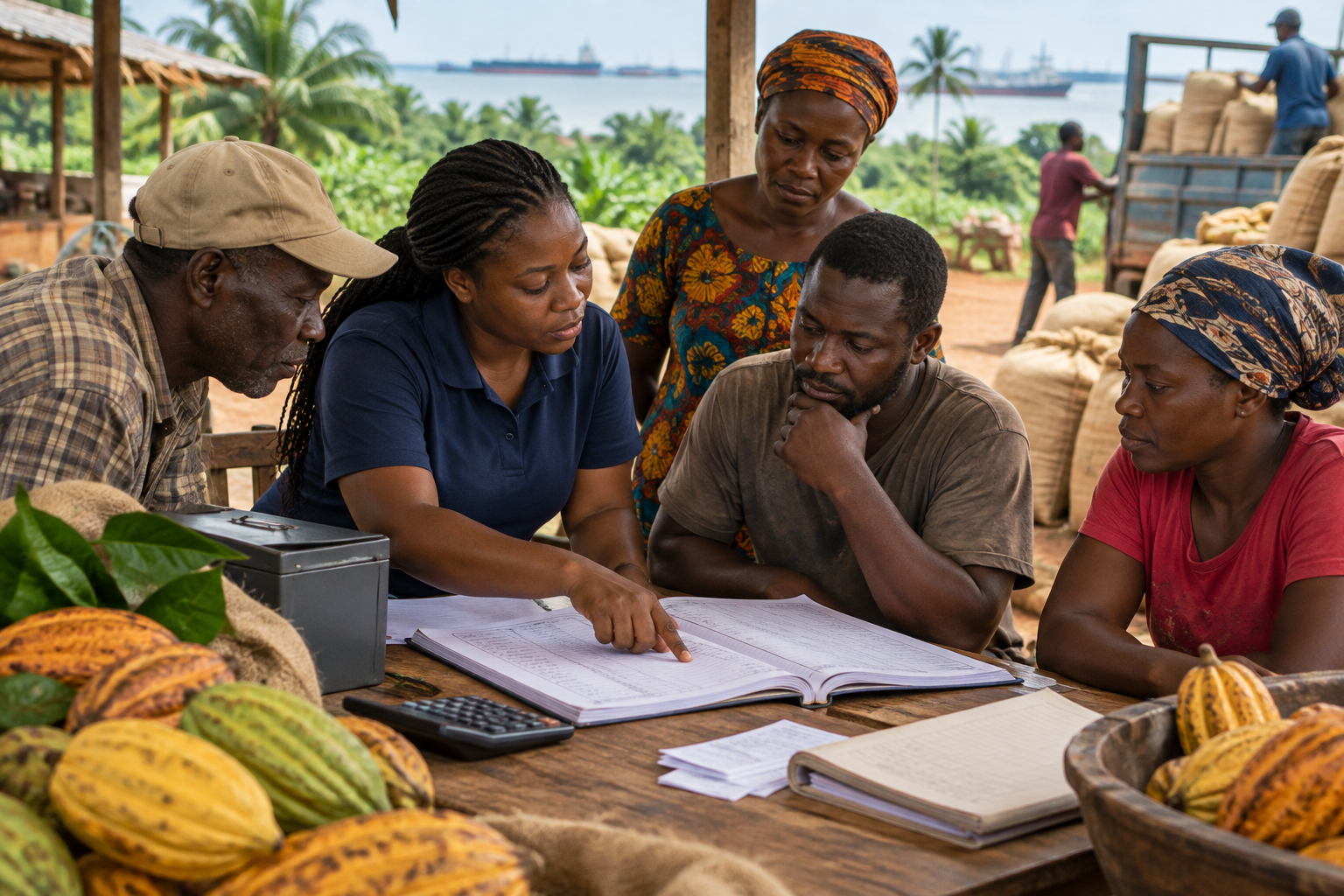
Agricultural Cooperatives Need Transparent Financial Records
For Liberia's agricultural cooperatives to thrive, members need transparent financial records, a lesson in enterprise capability drawn from development finance trends in West Africa.

Performance Contracts 2026: The President Puts Agency Heads on the Record
President Boakai signed the 2026 Presidential Performance Contracts with heads of agencies, framing the exercise around accountability, transparency and results under the ARREST Agenda.

Liberia's Economy at a Glance: A Dated Snapshot
Growth of 5.1 percent and mining growth of 17 percent in 2025, annual inflation of 8.5 percent, and a 16 percent policy rate: what the World Bank's Liberia page showed when we reviewed it on October 3, 2026.
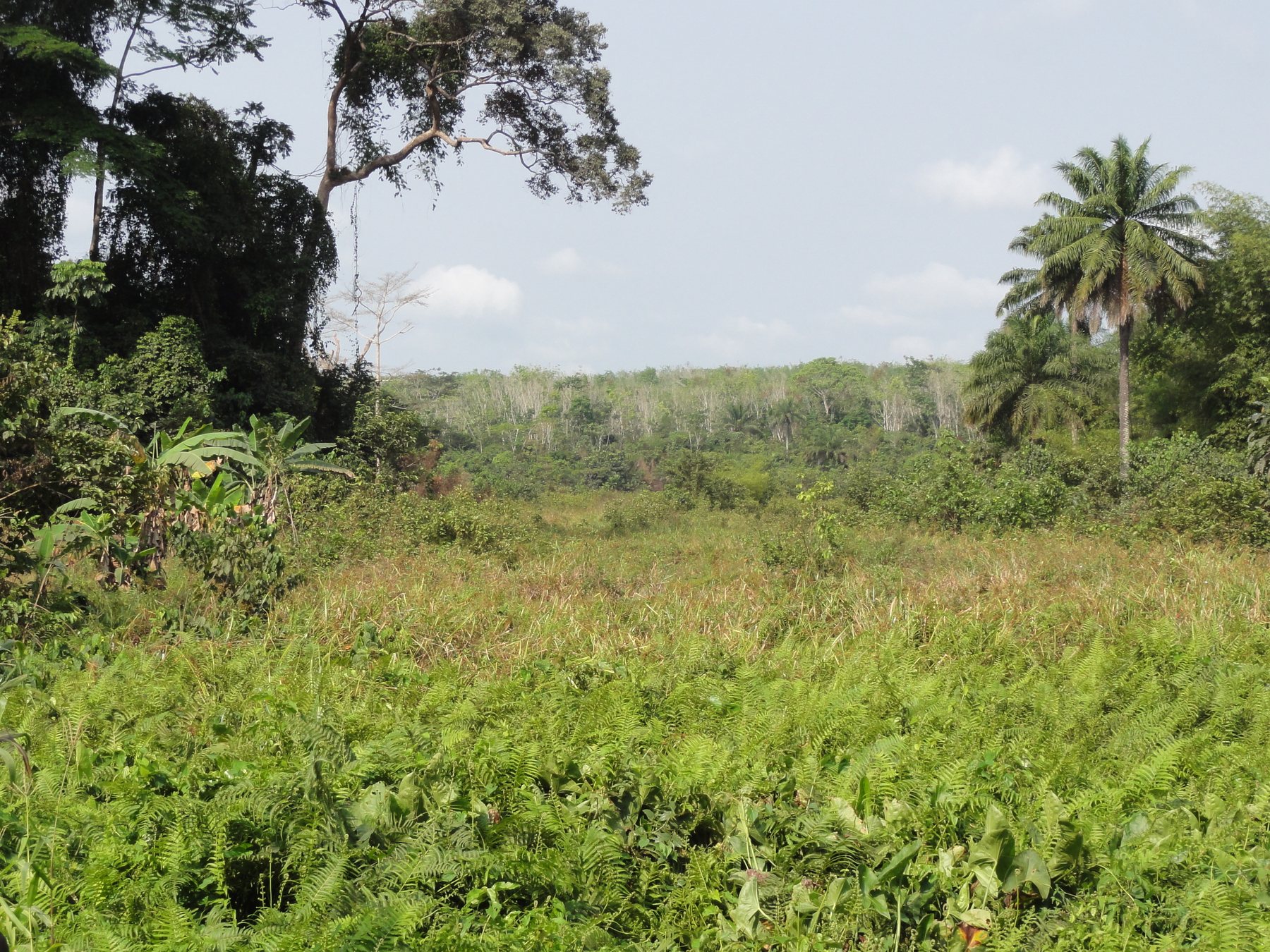
Sector Guide: Agriculture Value Chains
Where agricultural value is added — processing, storage, logistics and inputs — and the questions an investor should ask before entering. A research guide, not an offer.
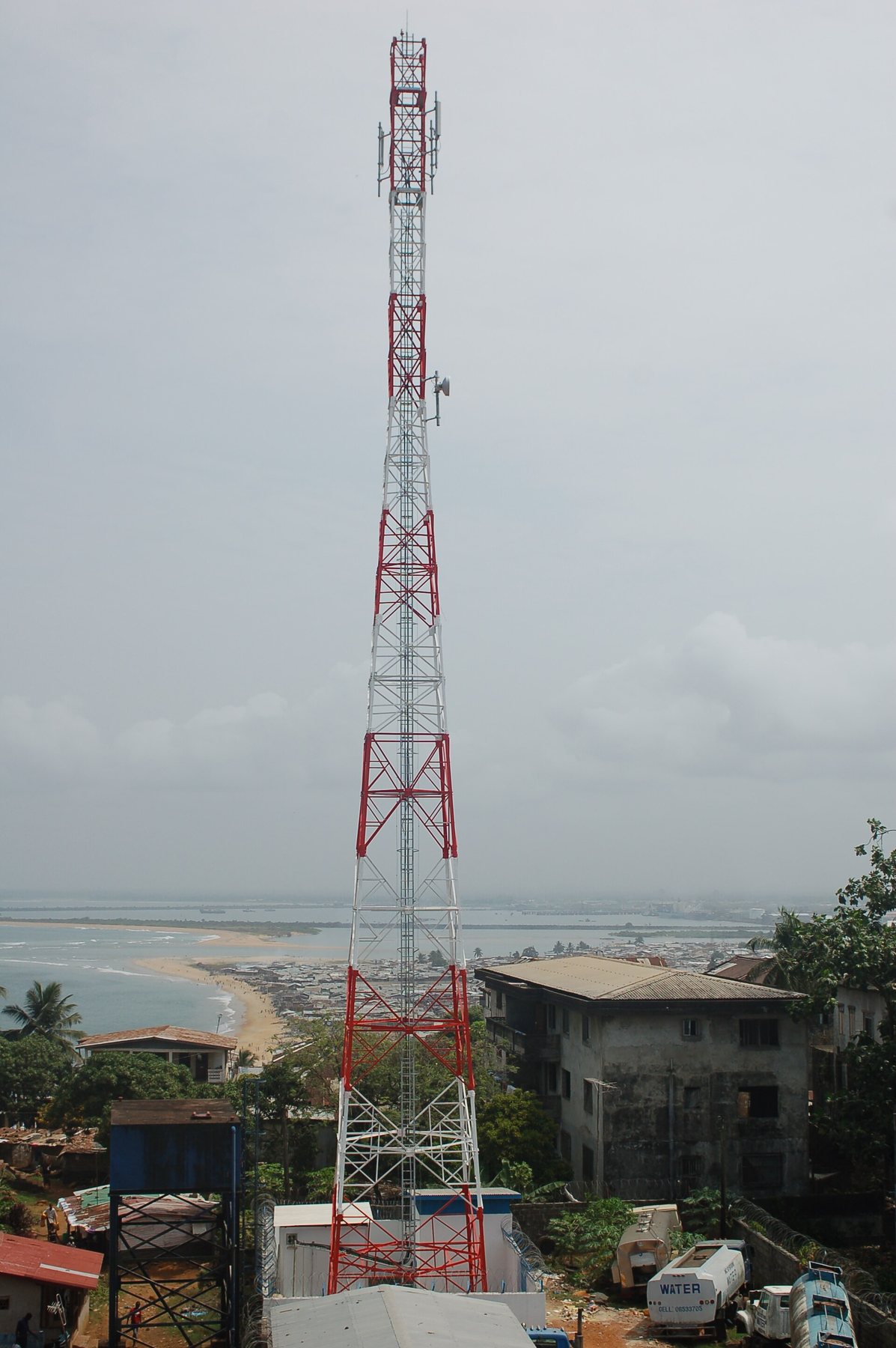
Sector Guide: Digital Services
Payments, business-process services, software and connectivity: a research guide to Liberia's digital opportunity. Not an offer.