
Sector Guide: Agriculture Value Chains
Where agricultural value is added — processing, storage, logistics and inputs — and the questions an investor should ask before entering. A research guide, not an offer.

Research guide. Not an investment offer, recommendation or promise of returns.
Research guide. This is general background for readers researching the sector. It is not an investment offer, recommendation or promise of returns. Verify all conditions with official agencies and independent advisers.
Why the sector matters
Agriculture and food security are an explicit pillar of the ARREST Agenda for Inclusive Development. Most rural Liberian households depend on farming, so growth here spreads income more widely than growth in extractive sectors.
Where value is added
- Processing: turning raw crops into higher-value goods close to where they are grown.
- Storage and aggregation: reducing post-harvest losses and giving farmers more bargaining power.
- Inputs and services: seed, mechanisation, extension and finance.
- Logistics: feeder roads and transport linking farms to markets and ports.
Questions to research
- Land tenure and community agreements in the target area.
- Road access across rainy and dry seasons.
- Out-grower models and fair pricing for smallholders.
- Applicable licences, standards and export requirements.
- Cost of credit (see the policy rate in our economy snapshot).
Where to verify
Consult the National Investment Commission, the Ministry of Agriculture and the relevant county authorities directly. Executive Tea Chronicle does not broker deals.
Related reading

Investor Confidence Begins With Verifiable Information
To attract serious capital, Liberia must make its investment process more transparent; a public portal with verifiable project data, inspired by Rwanda's digital agenda, could be the key to building investor confidence.
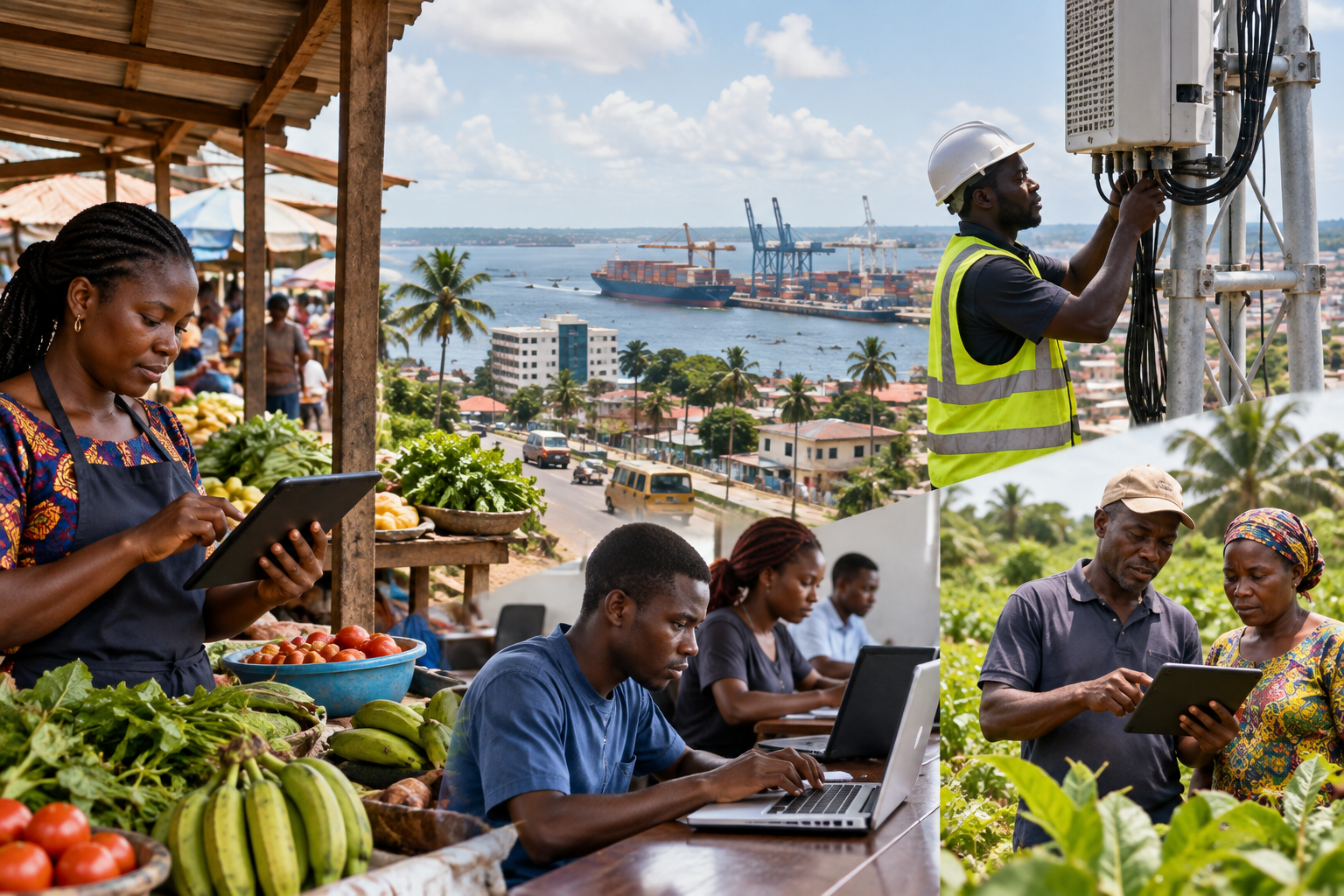
Broadband Should Be Evaluated as Economic Infrastructure
To unlock durable growth, Liberia must evaluate broadband not as a consumer utility but as strategic economic infrastructure, prioritizing productive hubs and measurable business outcomes based on regional models.
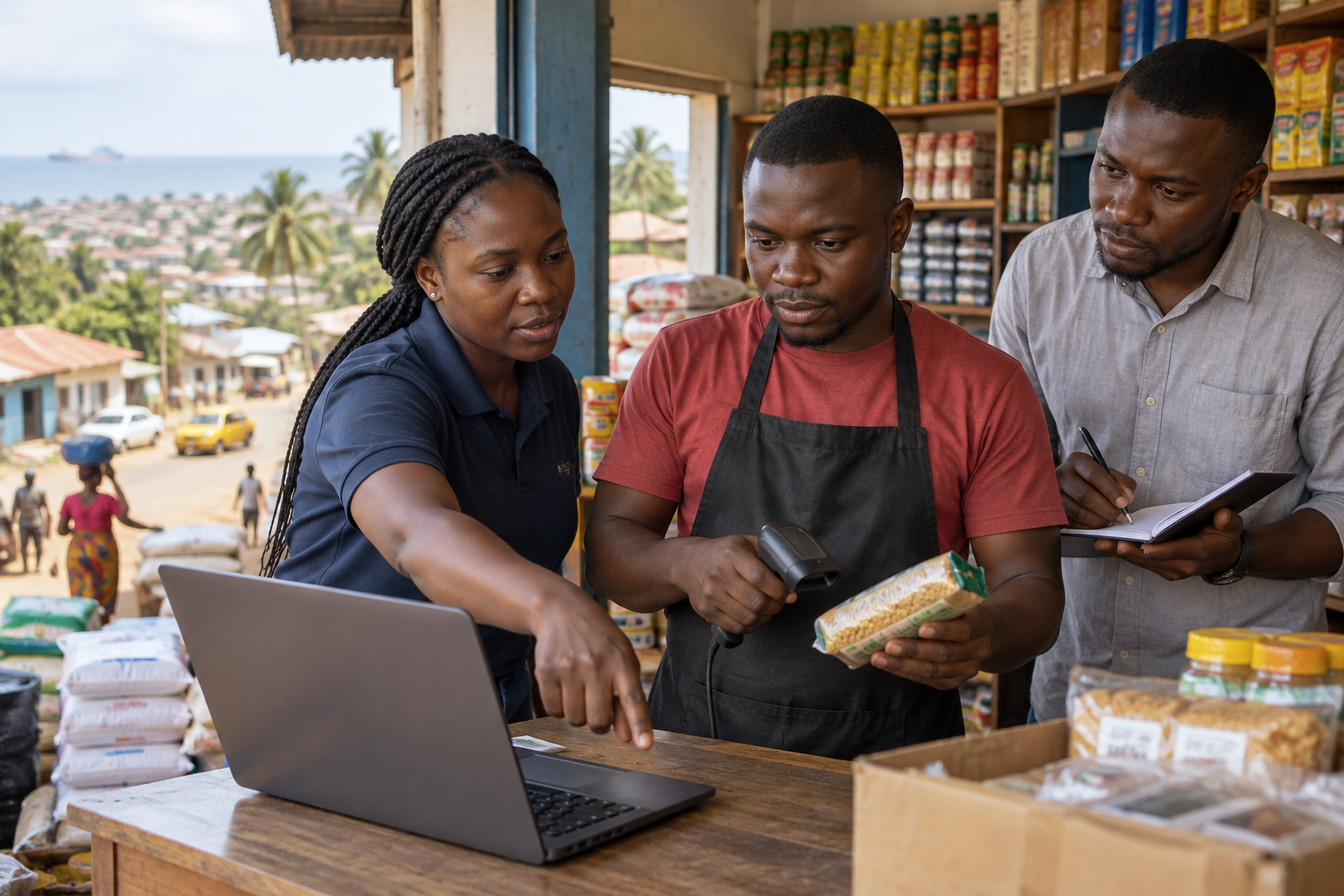
Small Businesses Need Technology They Can Afford to Maintain
Supporting Liberia's small businesses requires more than just software; it demands an integrated approach that pairs affordable technology with financial access and hands-on training to solve real operational problems.