
Liberia's Economy at a Glance: A Dated Snapshot
Growth of 5.1 percent and mining growth of 17 percent in 2025, annual inflation of 8.5 percent, and a 16 percent policy rate: what the World Bank's Liberia page showed when we reviewed it on October 3, 2026.

Editorial analysis. This piece reflects Executive Tea Chronicle's interpretation and editorial mission, not an official government position.
Data snapshot. These figures were read from the World Bank's Liberia country page on October 3, 2026. They are not live and will not update automatically. Check the source for current data.
The numbers
- Real GDP growth, 2025: 5.1 percent.
- Mining sector growth, 2025: 17 percent.
- Annual inflation, 2025: 8.5 percent.
- Monetary policy rate: 16 percent as of July 2026.
Analysis: a growth story led by mining
Editorial analysis by the Economy Desk.
Growth above five percent is a solid result for a small, commodity-exposed economy, and it matches the figure the President cited to the Diaspora in September. But mining growing at more than three times the headline rate tells us that the rest of the economy grew considerably more slowly. That is the core challenge the ARREST Agenda's agriculture, tourism and technology pillars are meant to address: broadening growth beyond extraction so that it reaches jobs and household incomes.
A 16 percent policy rate signals that the Central Bank remains focused on price stability. For investors and small businesses, that means credit stays expensive — a factor worth weighing in any sector plan.
We will revisit these indicators when the source updates and record the review date each time.
Related reading

Agricultural Technology Should Begin With a Farmer Problem
For agri-tech to succeed in Liberia, it must move beyond hype and be co-designed with farmers to solve a specific, identified problem, adapting technology to local conditions rather than imposing generic solutions.
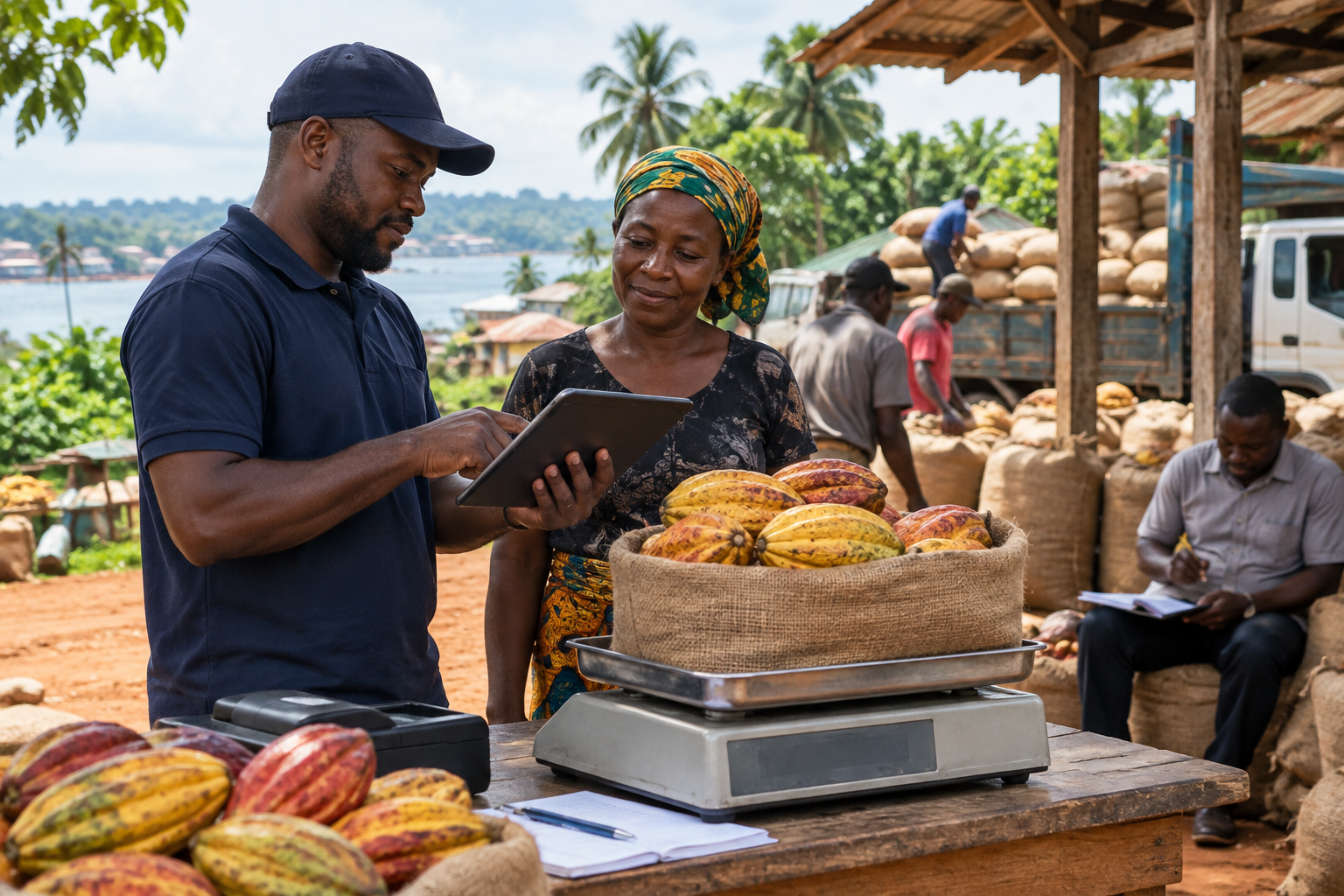
Supply Chain Records Can Make Trade More Dependable
Applying the principles of Kenya's national digital strategy to Liberian agriculture could create a system of shared records, reducing disputes and making trade more dependable for farmers and buyers alike.
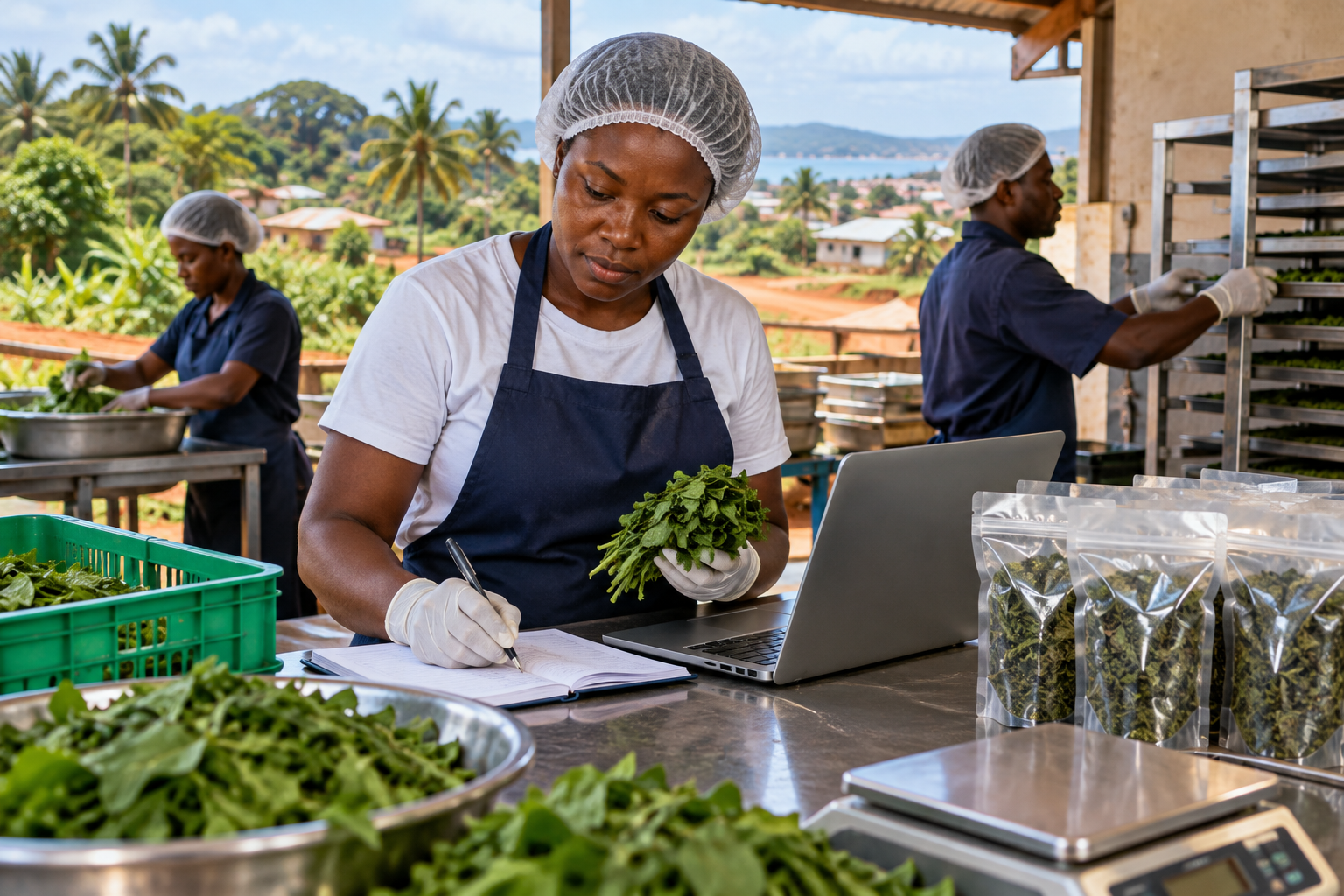
Food Processing Needs Consistent Quality Records
To scale up, Liberian food processors must adopt disciplined record-keeping systems that link technology and workforce training, building the verifiable consistency that commercial buyers demand.