
Market Information Needs a Trustworthy Collection Method
While digital connectivity offers a path to empower Liberian farmers with market prices, the true value of such a service will depend entirely on a disciplined and transparent method for collecting that data.
Editorial analysis. This piece reflects Executive Tea Chronicle's interpretation and editorial mission, not an official government position.
Analysis. Drafted from cited World Bank sources for editor review; Liberia proposals are the magazine's analysis, not source findings.
Source scope: the cited sources describe historical project designs and financing announcements (2021–2024), not verified current implementation outcomes. No new Liberia-specific factual evidence was checked for this draft; Liberia scenarios are hypothetical.
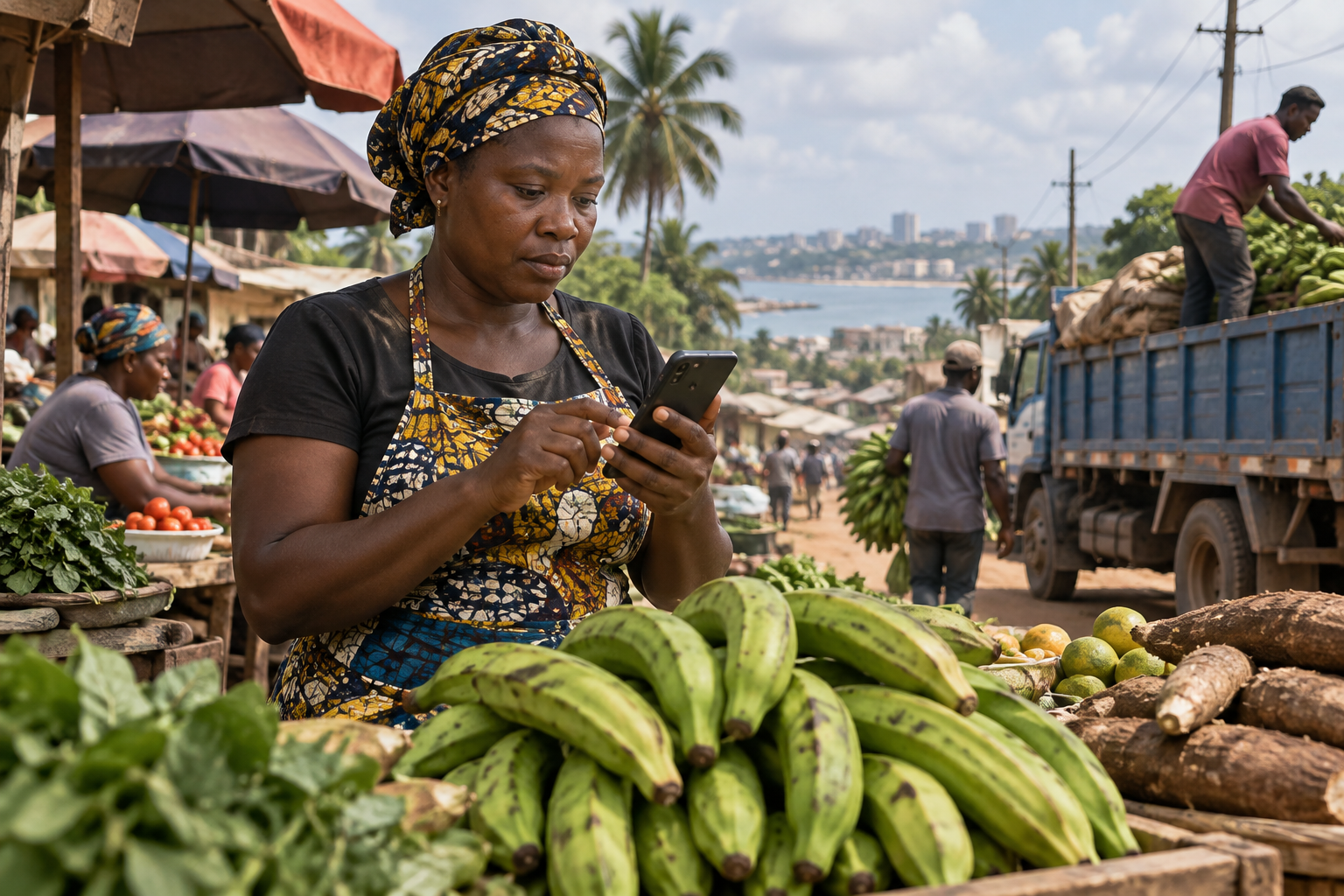
The potential for digital technology to benefit the agricultural sector is significant. For many agricultural producers, fortunes can be determined by the information available when goods are ready for market. Real-time price alerts delivered via mobile phone could empower producers, create more efficient supply chains, and help raise rural incomes. Regional examples can provide valuable context for strategic planning.
However, adopting technology without a corresponding discipline in its application can be counterproductive. A key challenge extends beyond connectivity to ensuring that information transmitted is accurate, reliable, and actionable. An inaccurate price alert is not just unhelpful; it can be actively harmful. A commercial decision based on flawed data, such as chartering a truck or harvesting a crop, can lead to significant financial loss and, more damagingly, a loss of trust in the system itself.
What the comparison shows
Neighboring countries are making investments in the digital infrastructure that could underpin such services. According to a World Bank press release from April 28, 2022, Ghana secured $200 million in financing for a Digital Acceleration Project. The stated goals of this initiative include increasing citizens' access to broadband, improving the quality of selected digital public services, and building a stronger ecosystem for digital innovation to create jobs.
For this analysis, it is crucial that the project design specifically included measures to support the agricultural sector. One of its key objectives, as described by the World Bank, is to facilitate the engagement of smallholder farmers in what it terms “data-driven digital agriculture.” The project was expected to increase access to mobile internet and broadband services for six million people, with a focus on underserved rural areas, by encouraging private sector investment in last-mile connectivity. The focus on an enabling environment in the Ghana project's design illustrates that while infrastructure for digital delivery is the foundation, it is not the entire structure.
Analysis: applying the lesson in Liberia
For Liberia, a key consideration would be that any pursuit of better connectivity could be accompanied by the simultaneous design of the information systems that will use it. An effective agricultural market information service (MIS) is not defined by the speed of its alerts, but by the credibility of its data. Simply broadcasting a price is insufficient. To be useful, every piece of data must be contextualized.
A trustworthy MIS could be built on a principle of transparency, where users can see exactly what a number represents. Each price point published via an app or SMS should be accompanied by clear metadata. This ought to include:
- The specific market: A price in one market may differ significantly from another. For example, a price at a major Monrovia market would not be the same as a price in a rural county market.
- The date and time of collection: Prices can fluctuate significantly even within a single day.
- The precise unit of measurement: Vague terms like “bag” are ambiguous; a clearer unit like “50kg bag, dried” is needed.
- The quality or grade of the product: Freshly harvested, premium goods command different prices than older or lower-grade stock.
- The collection method: This is a critical detail. Users should know if a price reflects a seller’s initial asking price, a buyer’s first offer, or the final price of an observed, completed transaction.
Consider a hypothetical wholesaler with a truckload of high-quality plantains. An alert simply stating “Plantain: 2,500 LRD/bunch (an illustrative price), Monrovia” is a gamble. A more detailed alert, using illustrative figures, might read: “Duala Market, 10:30 AM: Plantain, large bunch, Grade A. Price range from 3 observed sales: 2,400-2,650 LRD. Sellers’ average asking price: 2,800 LRD.” This level of detail transforms a simple data point into actionable market intelligence, allowing the wholesaler to make a more calculated business decision.
Tradeoffs and implementation risks
Building such a system requires confronting significant operational challenges. The primary risk is the erosion of trust through inaccuracy. If traders and farmers find that published prices do not reflect reality, they will likely abandon the service. A significant implementation hurdle would likely be the human infrastructure needed for data collection. It would require a network of trained and supervised enumerators in markets across the country. These individuals would need standardized training on how to assess quality, identify transaction types, and record data without bias.
Supervision would be key to mitigating the risks of carelessness or local pressure to report more favorable numbers. This would carry substantial costs in personnel, transportation, and management. Furthermore, the long-term financial sustainability of such a service must be planned from the outset. Whether funded by government, donor projects, or a subscription model for commercial users, a precarious funding stream is a direct threat to data quality and the system's survival.
Data Quality as a Measure of Competence
Implementing such a system effectively would represent a sophisticated approach to digital development. It moves beyond the simple adoption of technology and toward a more sophisticated understanding of data itself. Competence in this arena means recognizing that a ‘price’ is not a static fact but a dynamic outcome of negotiation, quality, and market power. A well-designed MIS can also educate its users in this reality, equipping them with the data literacy to navigate market uncertainty.
Success should be measured not by the number of alerts sent, but by the system’s utility to its users. The ultimate evaluation would be to ask wholesalers, transporters, and farmers: Is this information accurate? Does it help you negotiate better prices? Does it inform your decision on where and when to sell? A system built around answering these questions affirmatively is one that is demonstrably effective.
Bottom line
The potential for a digitally empowered agricultural sector in Liberia, informed by regional examples like Ghana's planned investments, is considerable. However, developing digital infrastructure is only a first step. The transformative value is unlocked by the quality of services delivered over those networks. For agricultural markets, this must be intelligence, not just raw data. That intelligence can only be derived from a trustworthy, transparent, and meticulously disciplined method of collection. Without this foundation of trust, any technological platform, no matter how advanced, will likely fail to deliver on its promise.
Sources
- World Bank Provides $200 Million to Accelerate Ghana’s Digital Transformation Agenda for Better Jobs — World Bank, published 2022-04-28
Related reading
Agricultural Technology Should Begin With a Farmer Problem
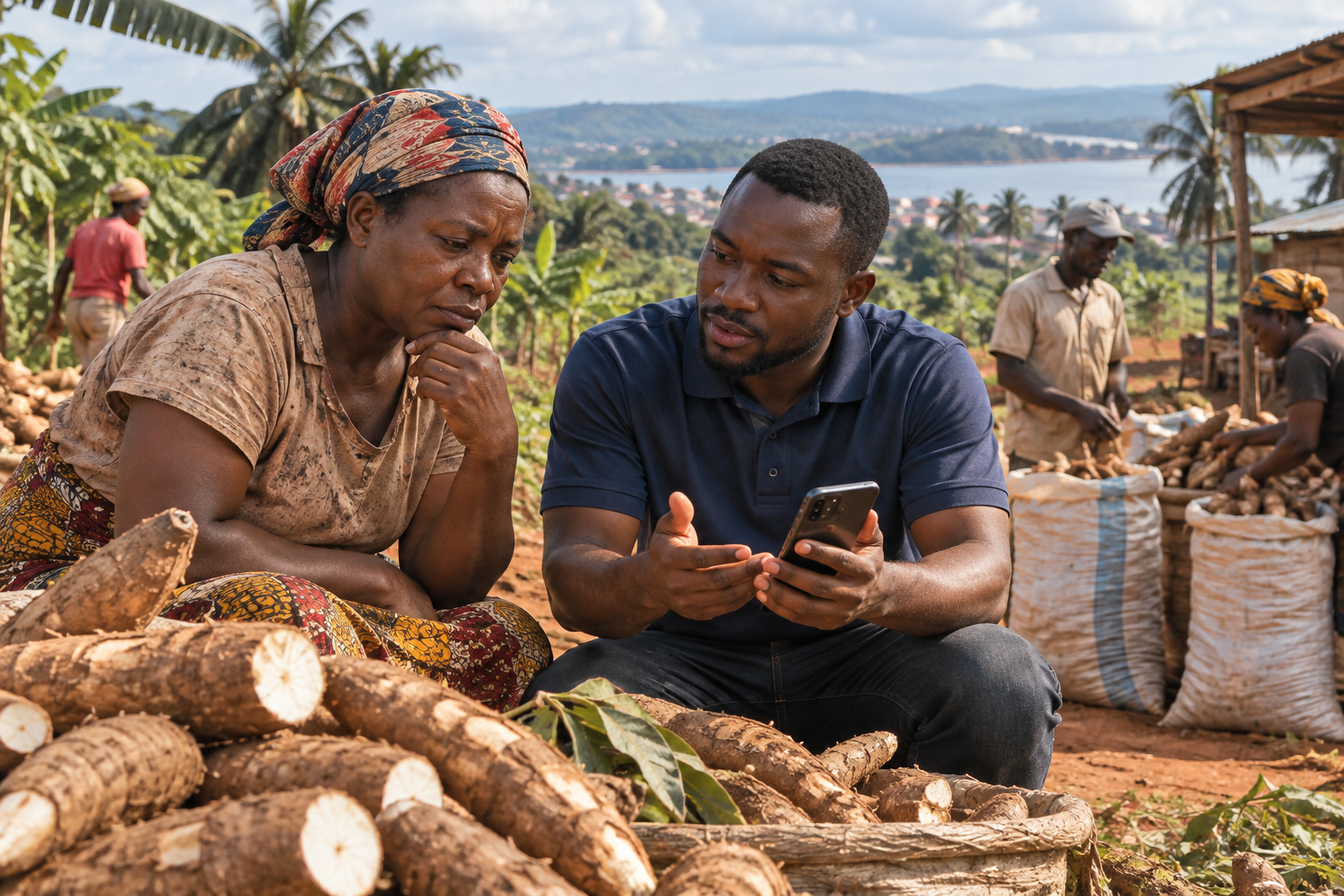
For agri-tech to succeed in Liberia, it must move beyond hype and be co-designed with farmers to solve a specific, identified problem, adapting technology to local conditions rather than imposing generic solutions.
Supply Chain Records Can Make Trade More Dependable
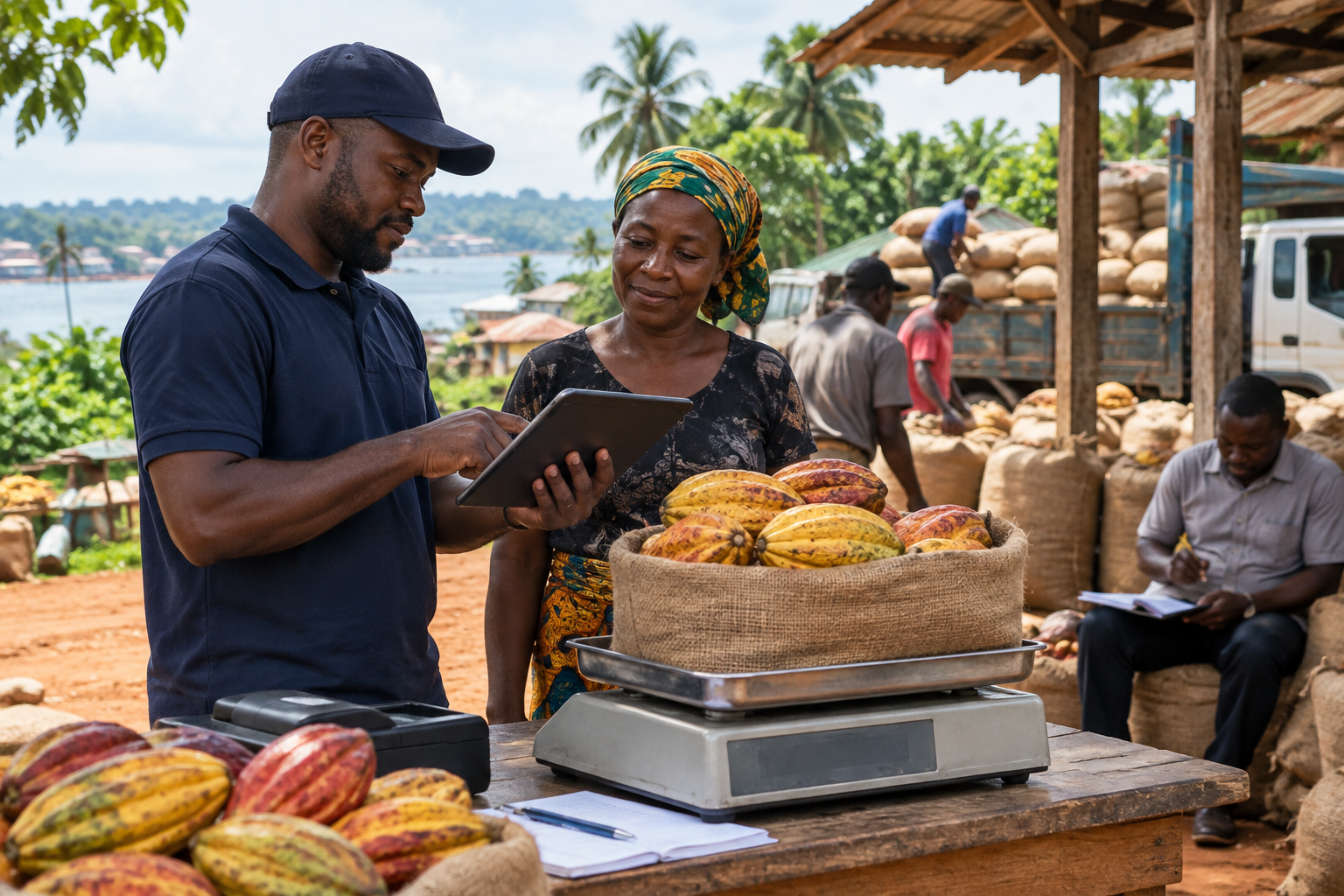
Applying the principles of Kenya's national digital strategy to Liberian agriculture could create a system of shared records, reducing disputes and making trade more dependable for farmers and buyers alike.
Food Processing Needs Consistent Quality Records
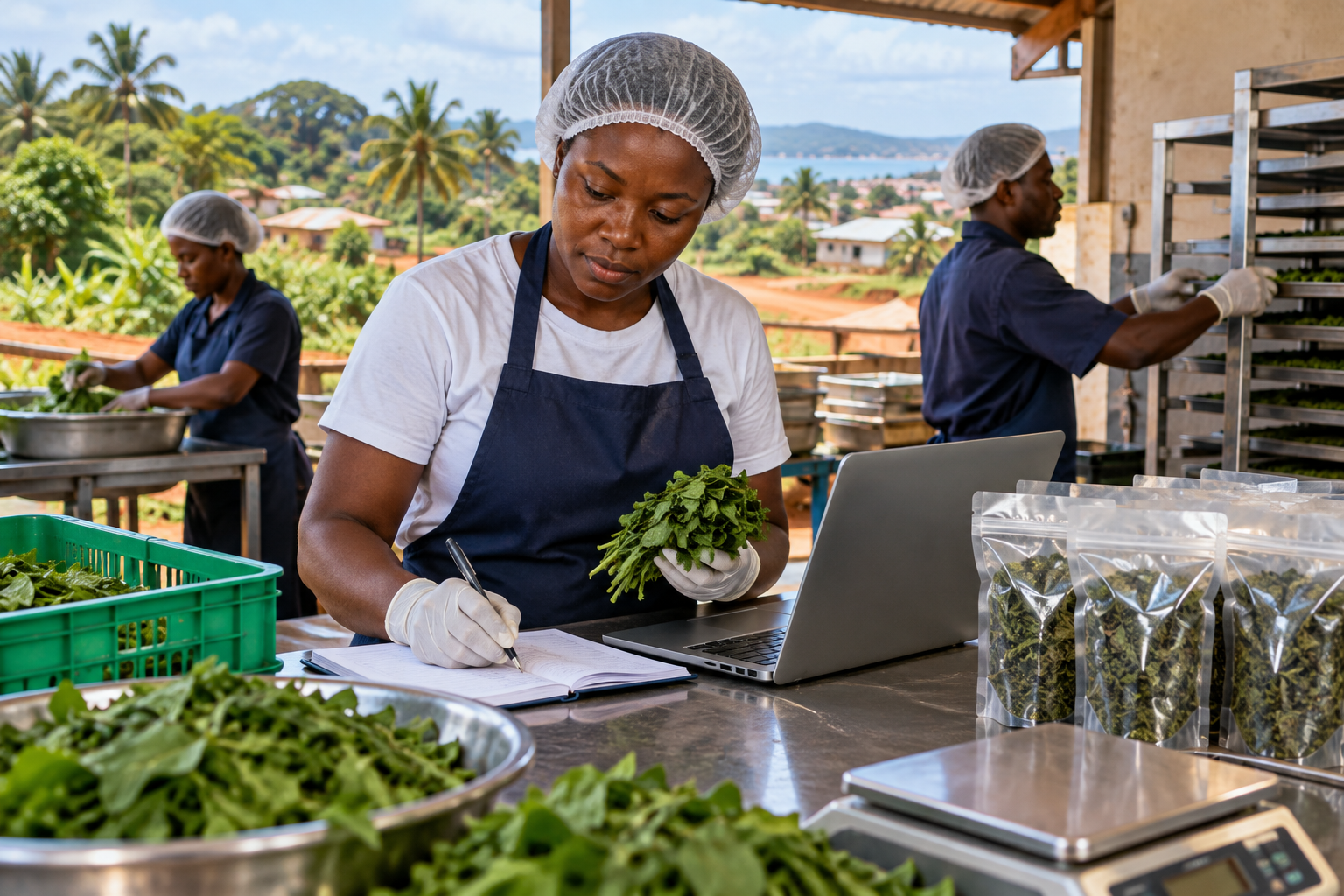
To scale up, Liberian food processors must adopt disciplined record-keeping systems that link technology and workforce training, building the verifiable consistency that commercial buyers demand.