
Shared Equipment Requires Clear Operating Rules
While Rwanda's digital strategy offers a useful model, making shared physical facilities work in Liberia depends less on technology and more on establishing clear, commercially-grounded rules for access, maintenance, and liability.
Editorial analysis. This piece reflects Executive Tea Chronicle's interpretation and editorial mission, not an official government position.
Analysis. Drafted from cited World Bank sources for editor review; Liberia proposals are the magazine's analysis, not source findings.
Source scope: the cited sources describe historical project designs and financing announcements (2021–2024), not verified current implementation outcomes. No new Liberia-specific factual evidence was checked for this draft; Liberia scenarios are hypothetical.
For many entrepreneurs in developing economies, a key challenge is the high cost of industrial equipment. Whether for food processing, light manufacturing, or metal fabrication, the capital required for machinery can be a significant barrier to entry and growth. This bottleneck can limit the scale of businesses and constrain the development of more sophisticated domestic supply chains. While government or donor-backed shared facilities are often proposed as a solution, such projects carry the risk of underperformance or failure if not properly structured.
A common reason for such projects to face challenges is a focus on procuring hardware—the building and the machines—rather than on designing the "software" of sustainable operations. A 2021 World Bank financing announcement for a digital initiative in Rwanda, though focused on a different sector, offers a useful lens through which to examine this challenge. It highlights that for any shared resource to become an economic platform, it must be governed by a clear, predictable, and commercially sound operating model. The fundamental question is not what a facility has, but how it works.
What the comparison shows
To understand this model, one can look at the design of the Rwanda Digital Acceleration Project. According to a World Bank press release from December 1, 2021, the institution approved $100 million in financing to help Rwanda increase access to broadband and digital services. The project was designed not merely to provide technology, but to create a comprehensive ecosystem to support its use.
The project’s stated objectives illustrate a multi-layered approach. The plan included initiatives to expand digital access and adoption, such as helping 250,000 households with financing to acquire smart devices. It also aimed to develop human capital by training three million people in basic digital literacy, with specific targets for including girls and women. Crucially, the project intended to enhance government service capabilities by making large-scale investments in shared digital standards, platforms, and infrastructure. This shared backbone was envisioned to support the development of at least 30 new or upgraded digital services. Further, the project sought to stimulate private sector innovation by directly supporting at least 300 digital start-ups, with a focus on those owned by women. The World Bank noted that a key goal was to prepare the country for a data-driven economy by strengthening the local entrepreneurship ecosystem.
Analysis: applying the lesson in Liberia
The core lesson from the Rwandan project design is its focus on building a functional ecosystem around shared platforms. This logic could be applied to physical, not just digital, infrastructure in Liberia. One could imagine, hypothetically, a network of agro-processing centers or community fabrication workshops established not as static assets but as dynamic service hubs.
Such a facility’s success would likely depend on a clear and public service charter. This begins with the rules of access, which should be equitable and transparent. A potential model could use a simple booking system to show available time slots for each machine. The model would also require transparent pricing. A published fee schedule might list illustrative costs per hour for various machines, such as a cassava grinder or a metal lathe. These fees would need to be carefully calculated to be affordable for small businesses while being sufficient to cover operational costs like power, consumables, and the salaries of trained operators and technicians.
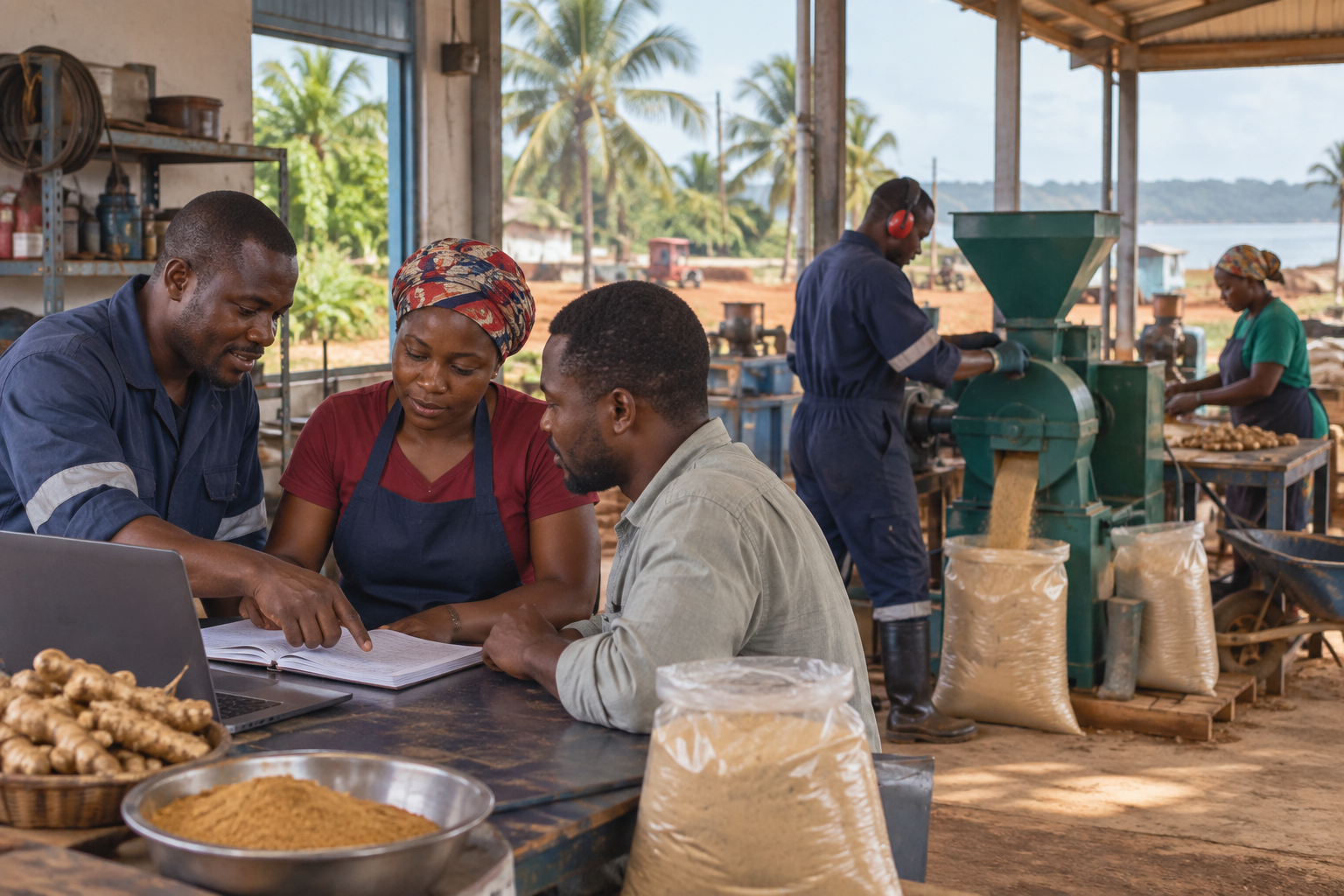
In a hypothetical example, an agricultural wholesaler might want to process a large quantity of ginger into a dried, powdered product. Instead of needing to purchase costly equipment, this entrepreneur could consult the service charter of a local processing center. There, she might see that the necessary industrial dehydrator and grinder are available on a specific day. She could then book a time slot, see the total cost, and perhaps pay a deposit. This predictability would allow her to build a more reliable business plan, manage costs, and meet delivery dates. The facility would become a dependable part of her production process.
Tradeoffs and implementation risks
Of course, implementing such a model is not without risk. A primary danger in such initiatives is management that is not commercially oriented. If revenue from user fees is not ring-fenced for operations and maintenance, for instance, the equipment can fall into disrepair. The first major breakdown of a machine without a dedicated repair fund could threaten the entire facility's viability.
Setting the right price point presents a significant tradeoff. If fees are too high in an attempt to achieve full cost recovery from day one, potential users may not be able to afford the service. If they are too low, the operation could become an unsustainable subsidy drain, risking its eventual collapse. A phased approach, perhaps with initial support to cover capital depreciation while ensuring the operating budget is self-sustaining, may be one way to navigate this challenge.
Furthermore, the rules must explicitly address liability. For example, Liberia would need to establish clear policies for what happens if a machine failure spoils a user’s batch of perishable goods, or if a user’s actions damage the equipment. Clear terms of service, understood and agreed to by all parties, are essential to manage these risks and prevent disputes from disrupting the facility’s operations.
What global competence looks like here
Building a predictable, rules-based domestic business environment is a core component of creating the conditions for private enterprise to flourish. A well-run shared equipment facility, operating on clear commercial principles, can be a tangible expression of this capacity.
When entrepreneurs can depend on access to critical infrastructure, they may be better able to invest their own capital in other areas of their business, such as marketing, packaging, and quality control. The success of such a facility would be measured not by a ribbon-cutting ceremony, but by operational metrics: equipment utilization rates, percentage of uptime versus downtime, and whether operating income is sufficient to sustain a rigorous maintenance schedule. This shift in perspective—from viewing the asset as a one-time project to a continuously operated service—is fundamental. It is the same mindset that can transform a collection of databases into the kind of shared digital platforms envisioned in the Rwanda project design.
Bottom line
To help an economy move up the value chain, it is important to address barriers to accessing productive capital. Shared facilities remain a powerful potential solution, but their success hinges on avoiding common pitfalls in project design and management. The lesson from the 2021 Rwanda financing announcement is not about technology, but about the strategic emphasis on creating a functional ecosystem around shared infrastructure. For a hypothetical Liberian processing center to be an engine of growth, it would need to be managed like a business, not a bureaucracy. Its value would lie not in its physical shell, but in the clarity of its rules and the dependability of its service.
Sources
- World Bank Provides $100 Million to Accelerate Rwanda’s Digital Transformation — World Bank, published 2021-12-01; event 2021-11-30
Related reading

Agricultural Technology Should Begin With a Farmer Problem
For agri-tech to succeed in Liberia, it must move beyond hype and be co-designed with farmers to solve a specific, identified problem, adapting technology to local conditions rather than imposing generic solutions.
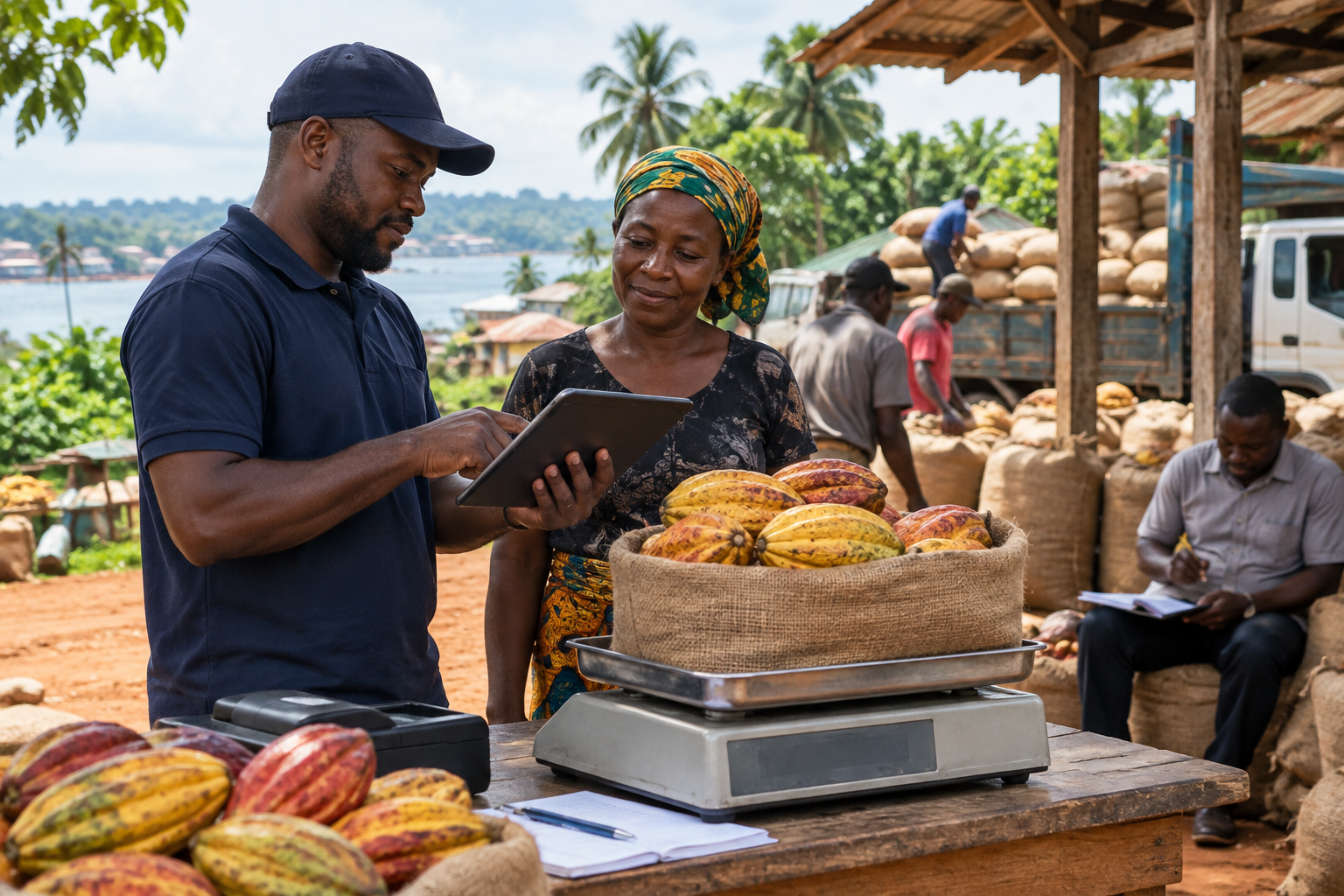
Supply Chain Records Can Make Trade More Dependable
Applying the principles of Kenya's national digital strategy to Liberian agriculture could create a system of shared records, reducing disputes and making trade more dependable for farmers and buyers alike.
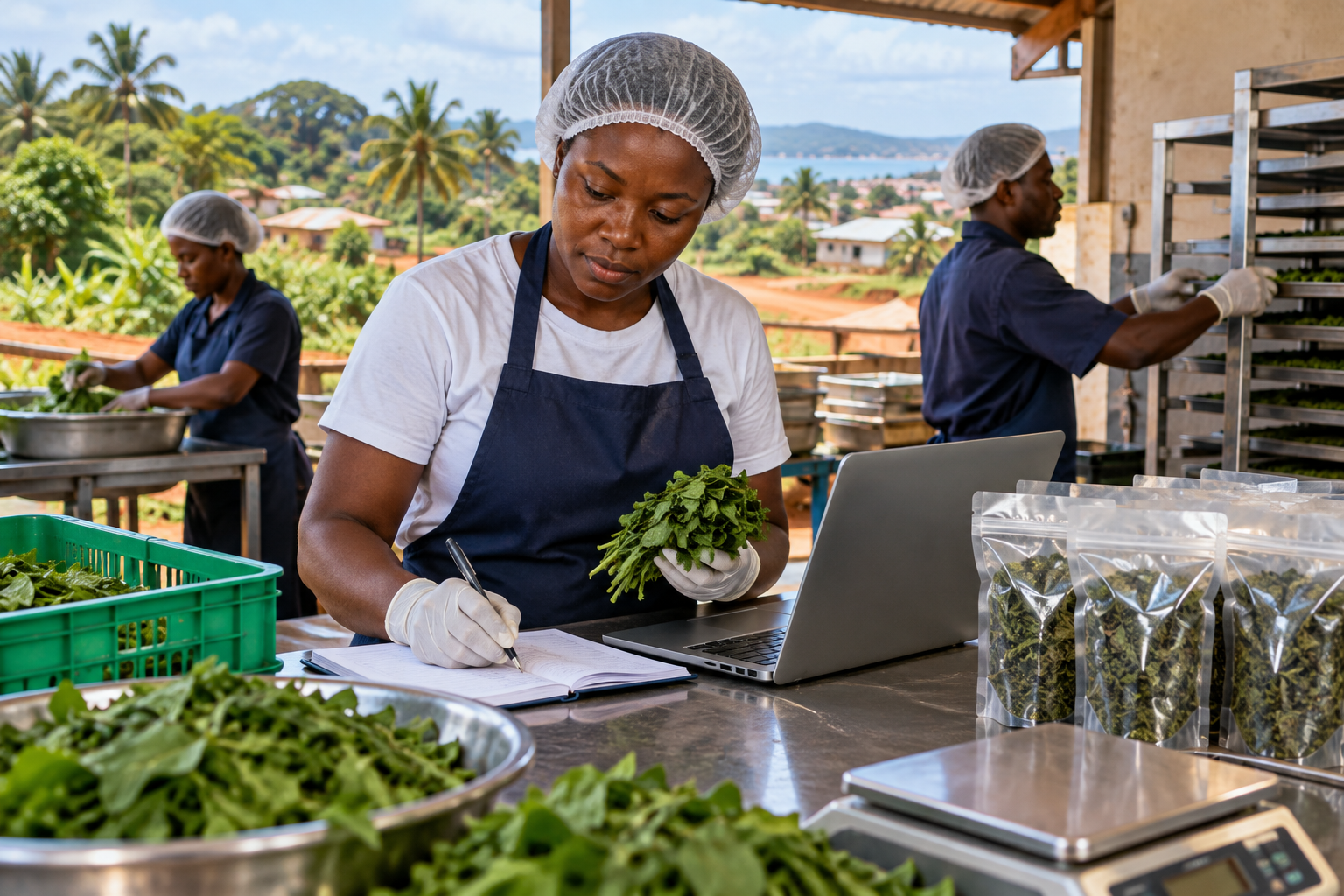
Food Processing Needs Consistent Quality Records
To scale up, Liberian food processors must adopt disciplined record-keeping systems that link technology and workforce training, building the verifiable consistency that commercial buyers demand.